
Pakistan's Economy Shows Resilience Amid Ongoing Regional Conflicts
Coveragetap to expand ▾Spectrum: Center Only🌍ME: 1
- Pakistan's GDP growth rate is expected to be close to 4% during the current fiscal year, compared to 3.1% last year (per dawn.com).
- Exports from Pakistan have grown by 9% month-on-month and 14% year-on-year, driven by sectors like value-added textiles and IT (per dawn.com).
- Pakistan has re-entered international capital markets after four years, raising $750 million through a Eurobond issuance (per dawn.com).
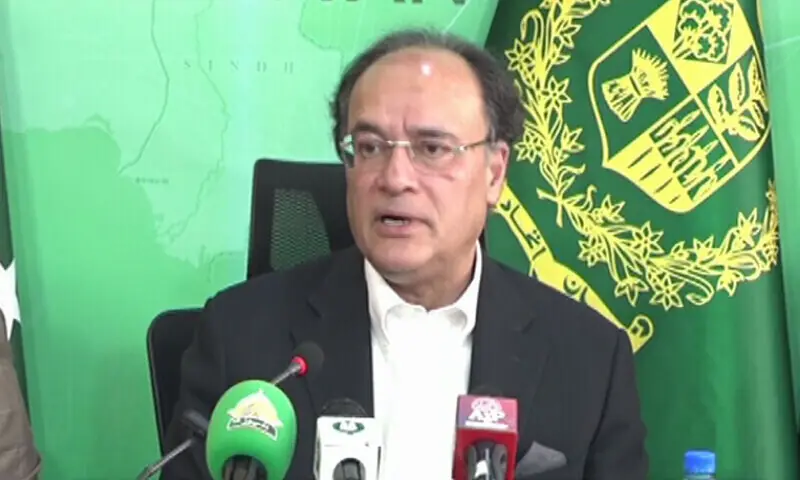
Pakistan's Finance Minister Muhammad Aurangzeb announced that the country's economy is showing signs of recovery amid ongoing regional tensions. He projected a GDP growth rate of nearly 4% for the current fiscal year, an increase from 3.1% last year, attributing this positive outlook to robust growth in large-scale manufacturing, exports, and foreign investment inflows.
Exports have surged, with a 9% month-on-month and 14% year-on-year increase, particularly in value-added textiles and IT sectors. Inflows under the Roshan Digital Account reached a record $320 million in April, indicating strong interest from overseas Pakistanis.
Furthermore, Pakistan successfully re-entered international capital markets after a four-year hiatus, raising $750 million through a Eurobond issuance. The government is also preparing to access Chinese capital markets for the first time through a Panda Bond next week.
Minister for Petroleum Ali Pervaiz Malik emphasized that the fuel supply remains uninterrupted, which is crucial for sustaining economic activities amid the backdrop of regional conflicts.
This economic resilience is significant as it reflects Pakistan's ability to navigate challenges posed by its geopolitical environment, suggesting a potential for continued growth despite external pressures.
- Pakistan's projected GDP growth of nearly 4% could improve living standards for millions, particularly in urban areas reliant on manufacturing and exports.
- The increase in exports by 14% year-on-year indicates a growing demand for Pakistani goods, which could lead to job creation in key sectors like textiles and IT.
- The record inflow of $320 million in the Roshan Digital Account highlights the importance of remittances for the economy, benefiting families across Pakistan.
- Re-entering international capital markets and raising $750 million through Eurobond issuance provides Pakistan with essential funding for development projects, impacting infrastructure and public services.
- Accessing Chinese capital markets through a Panda Bond could strengthen economic ties with China, potentially leading to further investments in Pakistan.
- Whether Pakistan successfully issues the Panda Bond in the coming week.
- The impact of the projected 4% GDP growth on employment rates in the manufacturing sector by the end of the fiscal year.
- Monitoring export growth trends in the textile and IT sectors over the next quarter.
- The government's response to any potential disruptions in fuel supply due to regional tensions.
- The effects of remittance inflows on local economies as more data becomes available in the upcoming months.
- {"framing":[],"numbers":[],"causality":[],"attribution":[],"omitted_context":[],"disputed_or_unclear":[],"notable_quotes_or_claims":[]}