
Pakistan's Renewable Energy Transition Faces Policy and Infrastructure Hurdles
Coveragetap to expand ▾Spectrum: Center Only🌍ME: 1
- Pakistan has significant potential for renewable energy sources like solar, wind, and hydropower, but utilization is low (per dawn.com).
- Financial frameworks and policies to support renewable energy development are insufficient in Pakistan (per dawn.com).
- Pakistan is among the most climate-vulnerable nations despite contributing minimally to global emissions (per dawn.com).
- There is an urgent need for coordinated, locally grounded, and globally informed responses to climate change in Pakistan (per dawn.com).
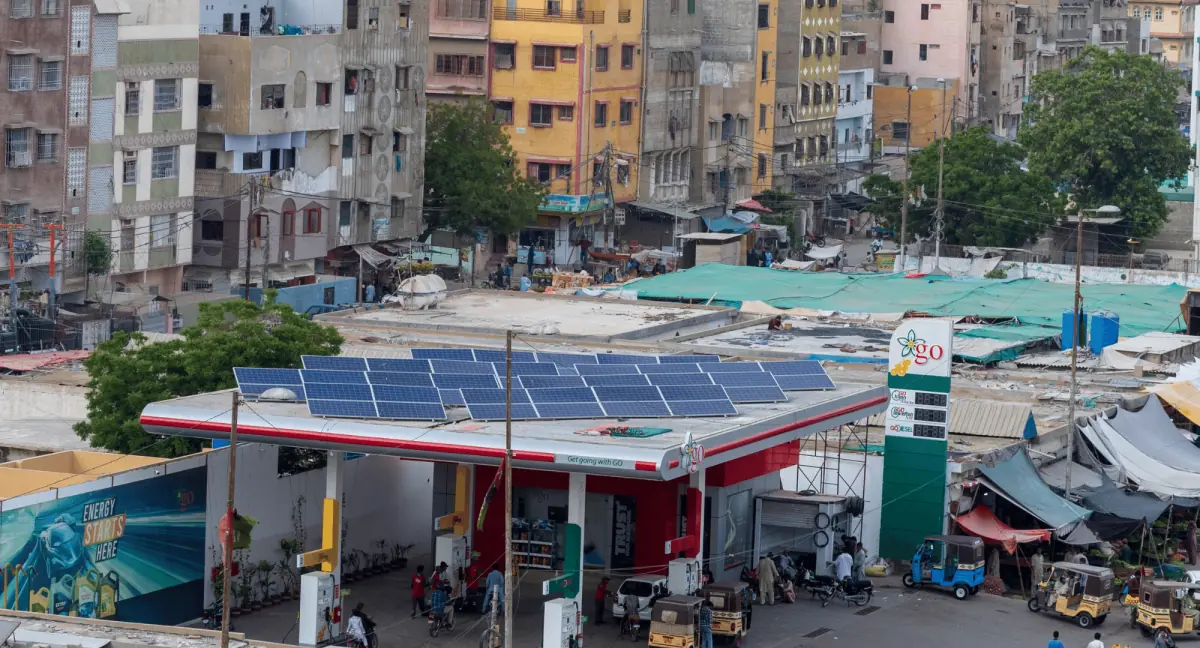
Pakistan's efforts to transition to renewable energy are facing significant challenges due to inadequate infrastructure and financial support. Despite the country's vast potential for solar, wind, and hydropower, the actual utilization of these resources remains minimal.
The lack of grid adaptation is a major barrier, preventing the efficient integration of renewable energy into the national power system. Additionally, the absence of robust financial frameworks and supportive policies further complicates the shift towards sustainable energy sources. As climate change accelerates, Pakistan finds itself in a precarious position.
Although it contributes minimally to global emissions, the country is one of the most vulnerable to the impacts of climate change. This vulnerability underscores the critical need for a transition to renewable energy, which could mitigate some of the adverse effects of climate change. However, the current lack of infrastructure and policy support hinders progress.
The urgency for action is compounded by the need for coordinated efforts that are both locally grounded and informed by global best practices. Without these, Pakistan risks falling further behind in its energy transition goals, potentially exacerbating its climate vulnerabilities. The challenges facing Pakistan's renewable energy transition are not unique to the country.
Many developing nations struggle with similar issues, including inadequate infrastructure, financial constraints, and policy gaps. However, Pakistan's situation is particularly acute due to its high vulnerability to climate change impacts.
Efforts to address these challenges must focus on developing comprehensive policies that encourage investment in renewable energy infrastructure. This includes creating financial incentives for both domestic and international investors, as well as ensuring that the national grid can accommodate increased renewable energy inputs. The stakes are high for Pakistan.
Successfully transitioning to renewable energy could not only reduce its climate vulnerability but also provide a more sustainable and reliable energy supply for its growing population. However, achieving this will require significant changes in both policy and practice.
- Pakistan's population faces increased climate vulnerability due to inadequate renewable energy infrastructure, risking energy insecurity and environmental degradation.
- The lack of financial frameworks and supportive policies benefits fossil fuel industries that maintain the status quo, hindering renewable energy investments.
- The global community's failure to support Pakistan's renewable transition exacerbates climate impacts on one of the most vulnerable nations, highlighting disparities in climate action support.
- Whether Pakistan implements new financial frameworks to support renewable energy investment by the end of the year.
- The development of grid adaptation projects to integrate renewable energy into Pakistan's national power system.
- International support or partnerships that may emerge to assist Pakistan in its renewable energy transition.
- No source mentions specific companies or trade groups lobbying against renewable energy policies in Pakistan.
- The economic interests of fossil fuel industries in maintaining the current energy infrastructure are not discussed.