
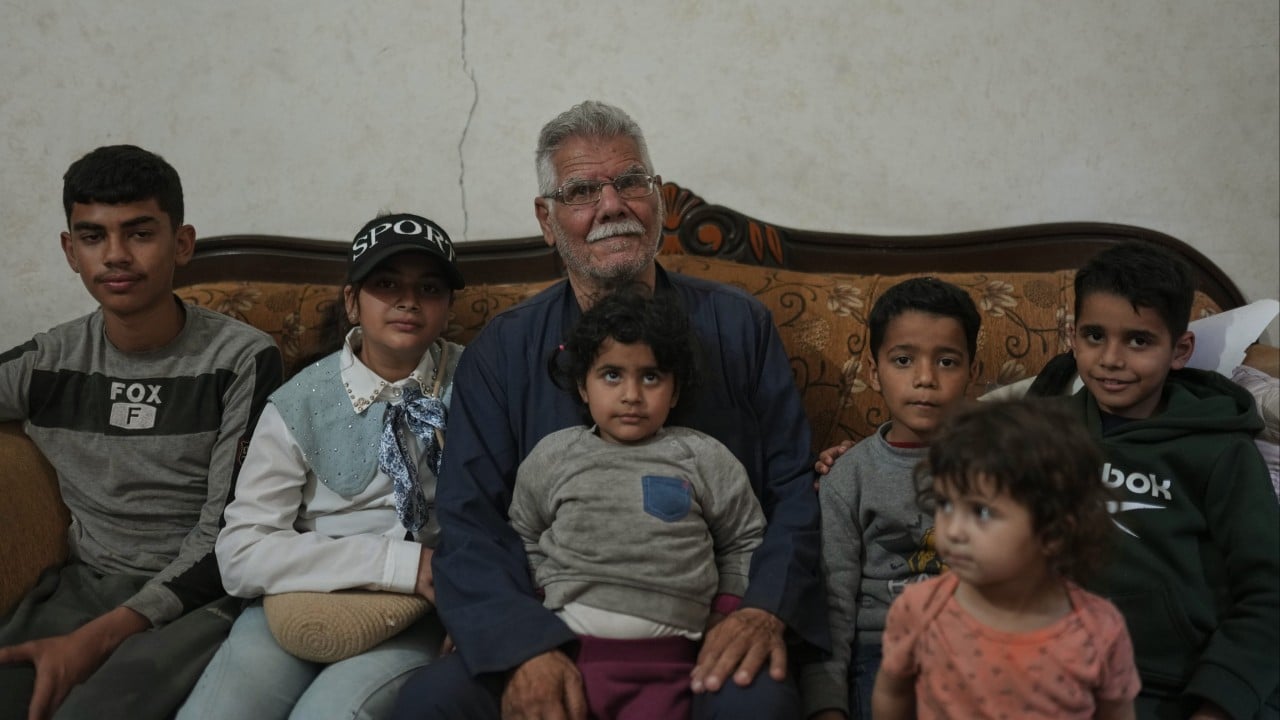
Since then, Palestinians have endured decades of displacement and ethnic cleansing.
Coveragetap to expand ▾Spectrum: Mostly Center🌍Other: 2 · Europe: 1 · ME: 1 · Asia: 1
- Palestinians in Gaza mark anniversary of 1948 mass expulsion and say today’s catastrophe is worse
On May 15, 2026, Palestinians in Gaza commemorated the 78th anniversary of the Nakba, a term meaning 'catastrophe' that refers to the mass expulsion of around 750,000 Palestinians during the 1948 war that led to the establishment of Israel.
This year's observance is particularly poignant as many Palestinians assert that their current plight is even more dire than during the Nakba itself, with ongoing displacement and violence exacerbating their suffering.
The Nakba remains a central element of Palestinian identity and historical memory, and many survivors and rights advocates are calling for the United States to formally recognize this event as part of a broader reckoning with Palestinian history. However, the U.S. government has yet to acknowledge the Nakba, maintaining its support for Israel amidst the ongoing conflict.
This year also marks the third time the Nakba has been commemorated since the outbreak of war in Gaza, highlighting the enduring impact of historical injustices on contemporary realities.
As Palestinians reflect on their past, they continue to face significant challenges, including displacement and violence, which they argue are part of a broader pattern of ethnic cleansing that has persisted for decades.
- The ongoing displacement and ethnic cleansing of Palestinians have profound humanitarian implications, particularly for those living in Gaza, where the anniversary of the 1948 mass expulsion is marked by worsening living conditions and increased violence.
- This situation exacerbates the humanitarian crisis, leading to a lack of access to essential services such as healthcare and education, which further entrenches poverty and instability in the region.
- As the cycle of violence continues, the plight of Palestinians not only fuels resentment and radicalization but also complicates any potential peace negotiations, making a resolution increasingly elusive.
- The United Nations Security Council is scheduled to convene within the next 48 hours to discuss potential resolutions addressing the ongoing humanitarian crisis in Gaza.
- The Israeli government is expected to announce new settlement policies by the end of the week, which could further impact the region's demographics.
- Palestinian leadership is planning a press conference within the next 72 hours to outline their response to recent developments and potential international support initiatives.
- The U.S. State Department is set to release a statement on its diplomatic approach to the Israel-Palestine conflict before the upcoming G20 summit in November.
- Human Rights Watch is preparing a report on the situation in the West Bank, which will be published next month and may influence international public opinion and policy decisions.