
PayPal Faces Decline as Market Share Erodes to Competitors
Coveragetap to expand ▾Spectrum: Center Only🌍Other: 1
- PayPal's earnings-per-share were $1.34, above the anticipated $1.27 (per fortune.com).
- Enrique Lores, PayPal's new CEO, announced a strategic reorganization involving a new three-unit operating model (per fortune.com).
- PayPal has been losing market share to competitors such as Apple Pay, Google Pay, and Shop Pay over the years (per fortune.com).
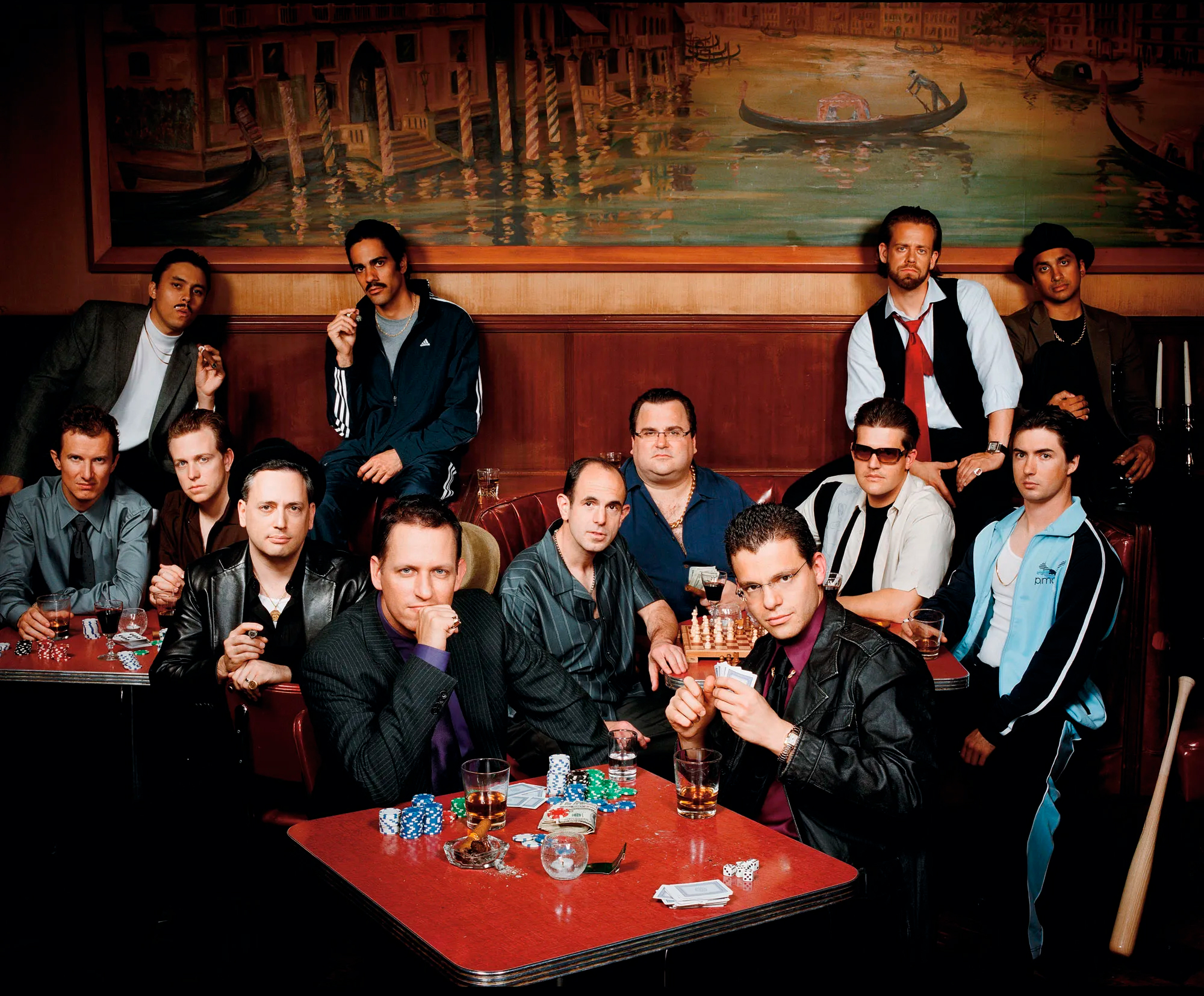
PayPal, once a pioneer in the fintech industry, is facing significant challenges as its growth has slowed dramatically. The company, which was built by the 'PayPal Mafia' into a $1.5 billion powerhouse, is now struggling to maintain its market position against formidable competitors like Apple Pay, Google Pay, and Shop Pay.
In the first quarter of 2026, PayPal reported $8.4 billion in revenue, exceeding expectations of $8.05 billion, and an earnings-per-share of $1.34, above the anticipated $1.27. Despite these positive financial results, the market reacted negatively, with PayPal's stock dropping by about 10% to approximately $45.50 per share.
The decline in stock value reflects broader concerns about PayPal's ability to compete in an increasingly crowded digital payments landscape. Under the leadership of new CEO Enrique Lores, PayPal has announced a strategic reorganization aimed at revitalizing the company.
This reorganization includes the implementation of a new three-unit operating model and a commitment to the aggressive adoption of artificial intelligence. However, analysts question whether these changes will be sufficient to reverse the company's fortunes.
PayPal's market share has been steadily eroded by competitors who have capitalized on the growing demand for digital payment solutions. Apple Pay, Google Pay, and Shop Pay have all gained ground, offering consumers convenient and integrated payment options that challenge PayPal's dominance.
The company's growth rate has decelerated from 6% to just 1% year-over-year, highlighting the urgency of its current predicament. The strategic reorganization under Lores is seen as a critical step in addressing these challenges. By restructuring the company into three distinct units, PayPal aims to streamline operations and enhance its focus on innovation.
The emphasis on artificial intelligence is intended to improve customer experiences and operational efficiency, but
- PayPal's declining market share affects its shareholders, as evidenced by the 10% drop in stock value, impacting investor confidence and financial returns.
- Consumers benefit from increased competition in the digital payments space, as companies like Apple Pay and Google Pay offer alternative solutions that challenge PayPal's market position.
- PayPal's strategic reorganization and focus on AI adoption could set a precedent for other fintech companies seeking to innovate and remain competitive in a rapidly evolving industry.
- Whether PayPal's strategic reorganization under CEO Enrique Lores will stabilize or improve its market position in the next quarter.
- The impact of PayPal's AI adoption on its operational efficiency and customer experience in the coming months.
- Competitors' responses to PayPal's strategic changes, particularly from Apple Pay, Google Pay, and Shop Pay.
- No source mentions the specific prior acquisitions that contributed to PayPal's initial market dominance and how these may have influenced its current challenges.
- The impact of PayPal's declining market share on its workforce and potential layoffs or restructuring efforts is not discussed.