
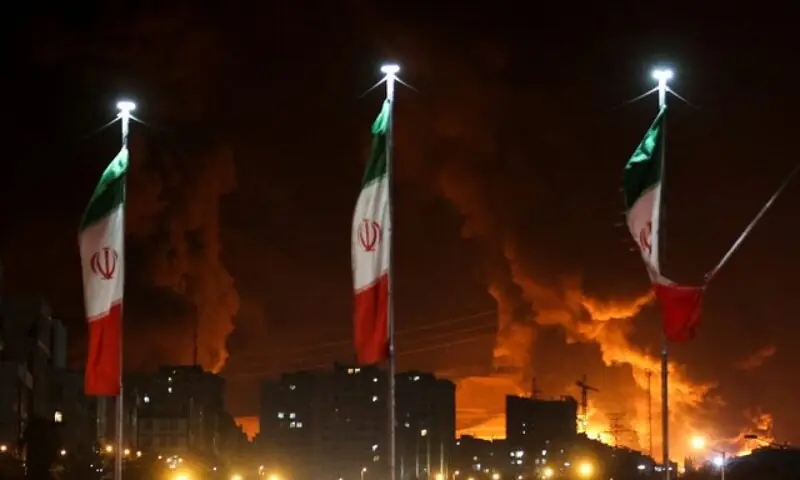
On April 29, the Pentagon said the war had cost $25bn at that point.
Coveragetap to expand ▾Spectrum: Mixed🌍Other: 2 · US: 1 · Europe: 1 · ME: 1 · Asia: 1
- Iran war costs soar past $29bn as truce teeters On April 29, the Pentagon said the war had cost $25bn at that point.
- The Pentagon on Tuesday said the conflict with Tehran had cost Washington more than $29 billion since the start of hostilities in February.
- Jules Hurst, who is performing the duties of comptroller, told US lawmakers that the bill included updated repair and replacement of equipment and operational costs.
- Hegseth denies Iran war is ‘quagmire’ as cost to US hits estimated $25bn
- Hegseth denies Iran war is a ‘quagmire’ as costs to US hit $25bn - The Irish Times
On April 29, the Pentagon reported that the ongoing conflict with Iran has cost the U.S. at least $25 billion. This figure was disclosed during a contentious hearing where U.S. Secretary of Defense Pete Hegseth defended the military strategy against critics who argue that the war is becoming a quagmire.
Hegseth asserted that the real threat to the U.S. comes from those opposing the operation rather than Iran itself. The Pentagon later indicated that total costs have exceeded $29 billion since hostilities began in February, with expenses covering repairs, replacements, and operational costs.
This financial burden comes amid a backdrop of failed peace negotiations, as the U.S. rejected an Iranian response to its peace offer, with President Trump suggesting that the ceasefire is precariously maintained. Hegseth's demand for an additional $1.5 trillion in funding highlights the administration's commitment to sustaining military operations in the region.
As the conflict continues, the implications for U.S. military strategy and budget allocation remain significant.
- The escalating costs of the conflict with Iran, now exceeding $29 billion, place significant strain on U.S. military resources and budget allocations, potentially diverting funds from domestic programs and other defense priorities.
- As the situation deteriorates and the ceasefire remains fragile, American troops and their families face increased uncertainty and risk, while local populations in conflict zones continue to suffer from the humanitarian fallout.
- This financial burden could also influence U.S. policymakers' decisions regarding future military engagements in the Asia Pacific, potentially leading to a reevaluation of America's strategic commitments in the region.
- The Pentagon is expected to release a detailed report on the financial implications of the war within the next 72 hours, outlining future budget allocations and potential impacts on defense spending in the Asia Pacific region.
- The U.S. Congress will hold a hearing on military funding and strategy in the Asia Pacific before the June summit, where key defense officials will present their assessments and recommendations.
- The Australian government is set to announce its defense spending plans for the next fiscal year by the end of the month, which may include increased military cooperation with the U.S. in response to regional security challenges.
- Japan's Ministry of Defense is scheduled to unveil its new defense strategy within the next two weeks, focusing on enhancing capabilities in the Asia Pacific amidst rising tensions.
- South Korea is expected to finalize its defense procurement decisions by the end of the quarter, which could influence regional military dynamics and alliances.
Left- and right-leaning outlets are covering this story differently — in which facts to emphasize, which context to include, and how to frame causes and consequences.