
Pentagon Reverts Indo-Pacific Command to Pacific Command Amid Strategic Shift
Topic: defense & securityRegion: North AmericaUpdated: i4 outletsSources: 9Spectrum: Center OnlyFiltered: Global (0/9)· Clear⏱ 4 min read📡 Wire pickup
Story Summary
SITUATION
The Pentagon has reverted the name of the U.S. military’s Indo-Pacific Command back to Pacific Command.
Coveragetap to expand ▾Spectrum: Center Only🌍Asia: 4 · Other: 4 · US: 1
Political Spectrum
Position is inferred from coverage mix.
i4 outlets · Center
Left
Center
Right
Left: 1
Center: 8
Right: 0
Geography Coverage
Distribution of where coverage is coming from.
i4 unique outlets · Dominant: Asia
KEY FACTS
- As the Iran war comes to a close, is the US pulling warships back to the west Pacific?
- The United States began turning its military attention to the Middle East early this year, moving global military assets, including those in the Pacific, nearer to Iran.
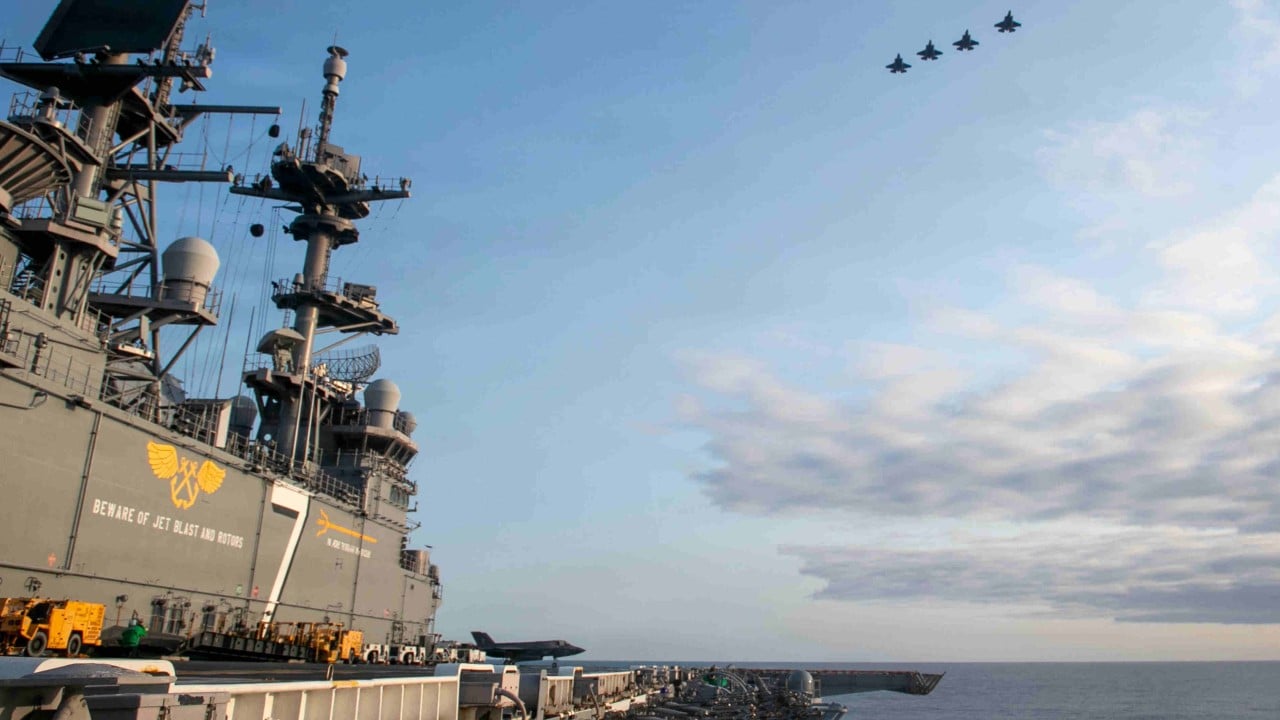
- Among those assets was the USS Tripoli group, which is based in Sasebo, Japan, and is one of the US’ two main naval groups in the Pacific.
- The Tripoli group is still in the Middle East but US Navy statements and satellite images indicate that other naval forces are coming into the Pacific.
- The ABC has been told Mr Wale has made it clear he believes China should not play a major role in Pacific security, and that there should be a "Pacific-led" security architecture.
- The new prime minister of Solomon Islands has floated the idea of a Pacific-wide security pact during a visit to Canberra, in a move that could have significant strategic implications for the region.
- Mr Wale, who is also the chair of the Pacific Islands Forum (PIF), raised the proposal with Prime Minister Anthony Albanese during his visit in early June.
HISTORICAL CONTEXT
The immediate backdrop to the Pentagon's decision to revert the Indo-Pacific Command to its former name, Pacific Command, is the evolving strategic landscape in the Asia-Pacific region, particularly in light of increasing tensions with China.
Throughout 2023 and 2024, the United States ramped up its military presence and strategic partnerships in the region, responding to China's assertive actions in the South China Sea and its growing influence across Asia.
Brief
In a significant organizational shift, the Pentagon has reverted the name of the U.S. military’s Indo-Pacific Command back to its historical designation, Pacific Command. This change, announced by the Defense Department, reflects a desire to honor the command's legacy while maintaining its extensive area of responsibility, which spans from the U.S.
West Coast to the western border of India. The command, established in 1947, operated under the name Pacific Command for over 70 years before being renamed in 2018. The Pentagon has not disclosed specific reasons for this reversion, but it underscores a commitment to a free and open Indo-Pacific region alongside regional allies and partners.
Despite the name change, the command's fundamental mission remains unchanged, focusing on strategic stability and cooperation in the region. This move comes amid ongoing geopolitical tensions and reflects a broader strategic shift within U.S. military operations in the Asia-Pacific region, as the Pentagon continues to adapt to evolving security challenges.
Sources
0 of 9 linked articles · Filter: Global