
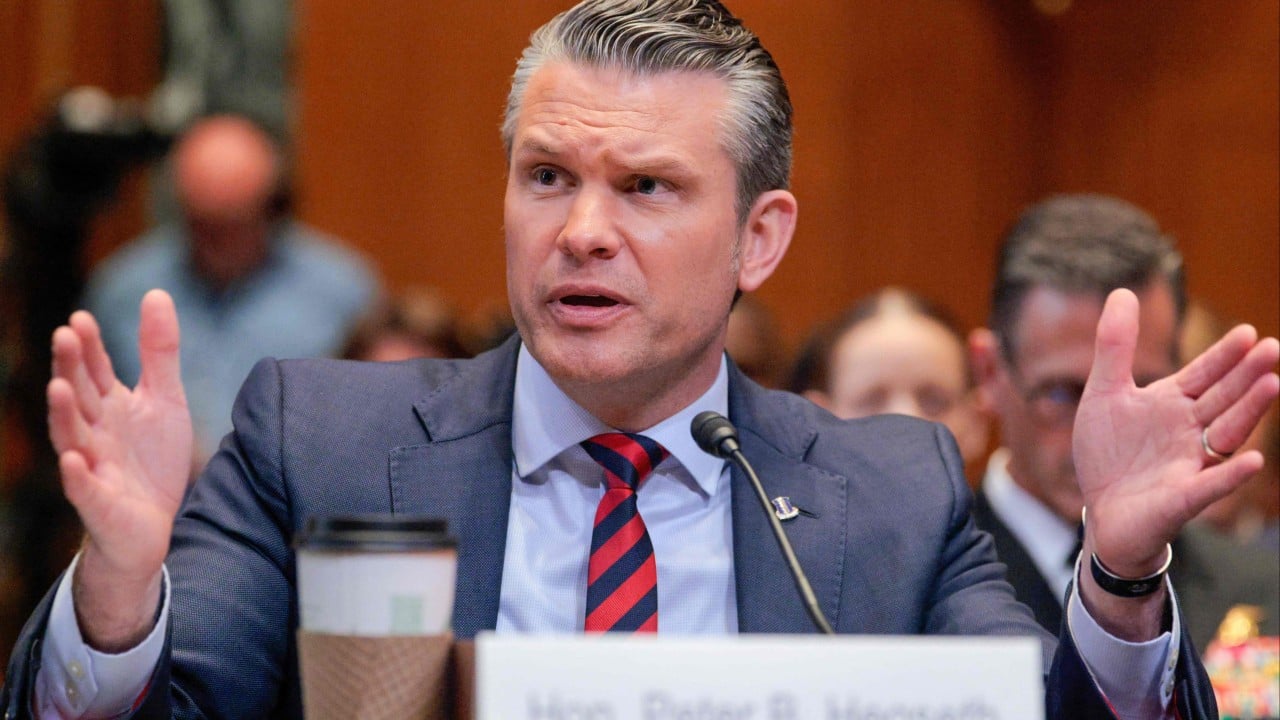
Trump and Hegseth Showcase US Diplomacy Amid China's Military Display
Coveragetap to expand ▾Spectrum: Mostly Center🌍Asia: 2 · Other: 2
- It was a showcase of China’s confidence, military, technological and geopolitical (per Times of India).
- US President Donald Trump remarked that the military display was 'obvious' during the visit (per Times of India).
- Precision, discipline, and power were on full display during the ceremonial events in Beijing (per Times of India).
- Trump praised Chinese President Xi Jinping, calling him a 'great leader' during the visit (per Times of India).
- Chinese officials warned that US involvement in Taiwan-related matters could lead to US-China conflict (per Times of India).
During a recent state visit to China, US President Donald Trump and Defence Secretary Pete Hegseth showcased the complexities of US-China relations against a backdrop of China's military and technological confidence. The visit featured a grand ceremonial display in Beijing, where rows of Chinese soldiers and elaborate festivities highlighted China's precision and power.
Trump, who typically adopts a more assertive tone, appeared notably subdued, reflecting the delicate diplomatic balance at play. He praised Chinese President Xi Jinping as a 'great leader,' yet the visit was underscored by serious warnings from Chinese officials regarding US involvement in Taiwan, which they cautioned could escalate into conflict.
This visit marks a significant moment in US diplomacy, as Hegseth's presence is the first by a sitting US defence chief in decades, indicating a shift in diplomatic practices. The backdrop of rising tensions over Taiwan adds urgency to the discussions, as both nations navigate their competing interests in the region.
The event underscores the intricate interplay of military display and diplomatic engagement, revealing the challenges both leaders face in managing their respective domestic and international agendas.
- The US military and diplomatic presence in China, represented by Trump and Hegseth, signals a strategic engagement that could affect US-China relations (per Times of India).
- Chinese military displays during the visit highlight the growing confidence of the Chinese government in asserting its geopolitical stance, particularly regarding Taiwan (per Times of India).
- Trump's subdued demeanor during the visit may reflect the complexities of addressing US-China tensions, which could influence future diplomatic interactions (per Times of India).
- Whether US President Donald Trump addresses Taiwan-related issues more directly in upcoming speeches.
- The response from Chinese officials regarding US military activities in the region following the visit.
- Any changes in US defense policy towards China as a result of this diplomatic engagement.
- Times of India emphasizes the ceremonial display of military power, while South China Morning Post focuses on the diplomatic significance of Hegseth's presence.
- Trump referred to the military display as 'obvious' during the visit (per Times of India).