
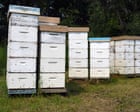
Police search for thieves who allegedly stole $150,000 worth of beehives from rural NSW property
Coveragetap to expand ▾Spectrum: Left Only🌍US: 1 · Europe: 1
- Eighty beehive boxes containing active colonies were stolen from a property on Bruxner Way, 15km west of Bonshaw (per theguardian.com).
- The stolen beehives are valued at approximately $150,000 (per theguardian.com).
- Police are actively searching for the individuals responsible for the theft (per theguardian.com).
This theft has raised concerns among local apiarists, who speculate that the perpetrators might be fellow beekeepers familiar with the value and handling of such assets. The stolen beehives represent a substantial financial loss for the property owner and highlight the vulnerability of agricultural assets in rural areas.
The New South Wales police have launched an investigation into the theft, seeking any information that could lead to the recovery of the beehives and the apprehension of those responsible.
Local beekeepers have expressed their dismay at the incident, noting that the theft of such a large number of hives is not only financially damaging but also disrupts the ecological balance and honey production in the region. The beekeeping community is on high alert, with many taking additional security measures to protect their own hives.
The theft underscores the challenges faced by rural property owners in safeguarding their assets against theft and vandalism. It also raises questions about the potential involvement of individuals with specialized knowledge of beekeeping, given the complexity involved in transporting and maintaining active bee colonies.
As the investigation continues, police are urging anyone with information to come forward. The case highlights the need for increased security measures and awareness within the agricultural sector to prevent similar incidents in the future.
The outcome of this investigation could have broader implications for the beekeeping industry in New South Wales, potentially prompting discussions on regulatory measures and community-based initiatives to enhance security and collaboration among beekeepers.
- The theft directly impacts the property owner, who faces a financial loss of $150,000 due to the stolen beehives.
- Local beekeepers may suffer from reduced honey production and ecological imbalance, affecting their livelihoods.
- The incident highlights the need for enhanced security measures in rural areas to protect valuable agricultural assets.
- The potential involvement of a fellow beekeeper suggests a breach of trust within the beekeeping community.
- Whether the New South Wales police identify and apprehend the thieves involved in the beehive theft.
- Any new security measures or community initiatives introduced by local beekeepers to prevent future thefts.
- Potential regulatory discussions within the beekeeping industry in response to the theft.
- No source mentions any previous incidents of beehive theft in the region that might indicate a pattern.
- There is no mention of any specific security measures that were in place at the time of the theft.
- The economic impact on honey production and local ecology is not detailed in the source.