
Jerome Powell to Stay on Fed Board Amid Trump Administration's Legal Actions
Topic: finance & marketsRegion: North AmericaUpdated: i3 outletsSources: 26Spectrum: Mostly CenterFiltered: Global (0/32)· Clear⏱ 4 min read📡 Wire pickup: 3⚠ 3d+ old
Story Summary
SITUATION
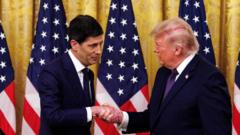
Jerome Powell has confirmed his intention to remain on the Federal Reserve Board, a decision influenced by the legal actions taken against him by the Trump administration. This announcement follows President Trump's swearing-in of Kevin Warsh as the new Fed chair, during which Trump emphasized Warsh's independence from political pressures.
Coveragetap to expand ▾Spectrum: Mostly Center🌍Other: 17 · US: 10 · Europe: 3 · ME: 1 · LatAm: 1
Political Spectrum
Position is inferred from coverage mix.
i3 outlets · Center
Left
Center
Right
Left: 4
Center: 26
Right: 2
Geography Coverage
Distribution of where coverage is coming from.
i3 unique outlets · Dominant: Global
KEY FACTS
- President Trump has sworn in Kevin Warsh as the new Federal Reserve chair (per news.google.com).
- Trump stated he wants Warsh to be 'totally independent' in his role (per news.google.com).
- The Trump administration's legal actions against Powell have been described as unprecedented (per news.google.com).
- Powell's tenure has been marked by efforts to maintain the Federal Reserve's independence (per news.google.com).
HISTORICAL CONTEXT
The decision by Jerome Powell to remain on the Federal Reserve Board, despite the end of his term as chair, is a significant development in the ongoing tensions between the Federal Reserve and the Trump administration.
This situation is rooted in a complex interplay of economic policy, political dynamics, and historical precedents that have shaped the relationship between the Federal Reserve and the U.S. government. Jerome Powell, who became the Chair of the Federal Reserve in February 2018, was initially appointed by President Donald Trump.
Brief
Powell's tenure has been characterized by a commitment to the Federal Reserve's autonomy, particularly in the face of unprecedented criticism and legal challenges from the Trump administration. The legal actions cited by Powell have raised concerns about the implications for the Fed's operational independence and its ability to make decisions free from political influence.
Meanwhile, Trump's endorsement of Warsh suggests a potential shift in the Fed's approach to monetary policy, which could have significant ramifications for the economy. As the Federal Reserve navigates these changes, the balance between political influence and economic stability remains a critical issue.
The ongoing dynamics between Powell, Warsh, and the Trump administration will likely shape the future of U.S. monetary policy.
Why it matters
- Jerome Powell's decision to stay on the Fed Board could impact the Federal Reserve's independence, affecting economic policy decisions.
- The legal actions taken by the Trump administration against Powell may set a precedent for future interactions between the Fed and the executive branch.
- Kevin Warsh's appointment as Fed chair could lead to changes in monetary policy that affect inflation rates and economic growth.
What to watch next
- Whether Jerome Powell faces further legal challenges from the Trump administration in the coming months.
- The impact of Kevin Warsh's leadership on Federal Reserve policy decisions over the next fiscal quarter.
Where sources differ
2 dimensionsFraming differences
?- Some sources emphasize Powell's legal challenges as a significant factor in his decision to remain, while others focus on Warsh's independence.
Notable claims
?- Trump stated he wants Warsh to be 'totally independent' as he takes on the role of Fed chair.
Sources
0 of 32 linked articles · Filter: Global