
Professors Sue Emory University Over Arrests During Israel
Coveragetap to expand ▾Spectrum: Mixed🌍Europe: 1 · Other: 1
- Three tenured professors at Emory University have filed a lawsuit against the institution (per theguardian.com).
- The professors claim that the university's actions represent a broader trend of authoritarianism in handling protests, which is spreading from public to private universities (per theguardian.com).
- The protests in question were against Israel's military actions in Gaza (per theguardian.com).
- The professors' lawsuit is part of a larger national conversation about academic freedom and the handling of political protests on campus (per theguardian.com).
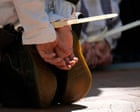
Three tenured professors at Emory University have initiated legal proceedings against the institution, alleging wrongful arrest and prosecution following their involvement in protests against Israel's military actions in Gaza in 2024.
The lawsuit, filed recently, accuses the university of overstepping its bounds and infringing on academic freedom, a concern that the professors argue is becoming increasingly prevalent across both public and private universities in the United States.
The protests, which took place during the spring semester of 2024, were part of a broader wave of demonstrations against Israel's military operations in Gaza. The professors contend that their arrests were not only unjust but also indicative of a growing authoritarian approach to handling dissent on university campuses.
This lawsuit underscores a significant debate about the limits of academic freedom and the role of universities in managing political expression.
According to the professors, the university's actions reflect a disturbing trend where institutions are increasingly adopting heavy-handed measures to suppress protests, a trend they claim is more commonly seen in public universities but is now encroaching upon private ones like Emory.
This case is emblematic of the tensions between academic institutions and their faculty over the right to protest and the boundaries of institutional authority.
The legal action against Emory University highlights the broader national conversation about the balance between maintaining order on campus and respecting the rights of faculty and students to engage in political discourse.
The professors argue that their arrests were not only a violation of their rights but also a chilling signal to others who might wish to express dissenting views. As the lawsuit progresses, it is likely to draw attention to the policies and practices of universities nationwide regarding protests and academic freedom.
The outcome of this case could have significant implications for how universities navigate the complex interplay of free speech, protest, and institutional control.
The professors' lawsuit adds to the ongoing discourse about the role of higher education institutions in fostering or stifling political debate, particularly in the context of contentious international issues like the Israel-Palestine conflict.
As universities continue to grapple with these challenges, the case against Emory University may serve as a pivotal moment in defining the future of academic freedom in the United States.
- The professors' lawsuit against Emory University highlights the potential chilling effect on academic freedom, affecting faculty and students who wish to engage in political discourse.
- The case underscores a broader trend of increasing authoritarianism in university responses to protests, which could impact how protests are managed across both public and private institutions.
- The outcome of this lawsuit may influence future policies on academic freedom and protest management at universities nationwide, affecting the rights of faculty and students to express dissenting views.
- Whether Emory University will respond to the lawsuit with policy changes regarding protest management.
- The progression of the lawsuit through the courts and any potential settlements or rulings.
- Reactions from other universities and academic bodies regarding their own policies on handling protests.
Left- and right-leaning outlets are covering this story differently — in which facts to emphasize, which context to include, and how to frame causes and consequences.
4 specific areas where coverage diverges — see below.
- Theguardian.com emphasizes the lawsuit as part of a broader trend of authoritarianism in university responses to protests.
- The specific details of the alleged wrongful arrests and prosecutions are not fully detailed in the source.
- No source mentions the specific actions taken by Israel in Gaza that triggered the protests, nor the broader context of the Israel-Palestine conflict.
- Theguardian.com quotes the professors describing the situation as a 'very dark, authoritarian turn happening around the country.'