
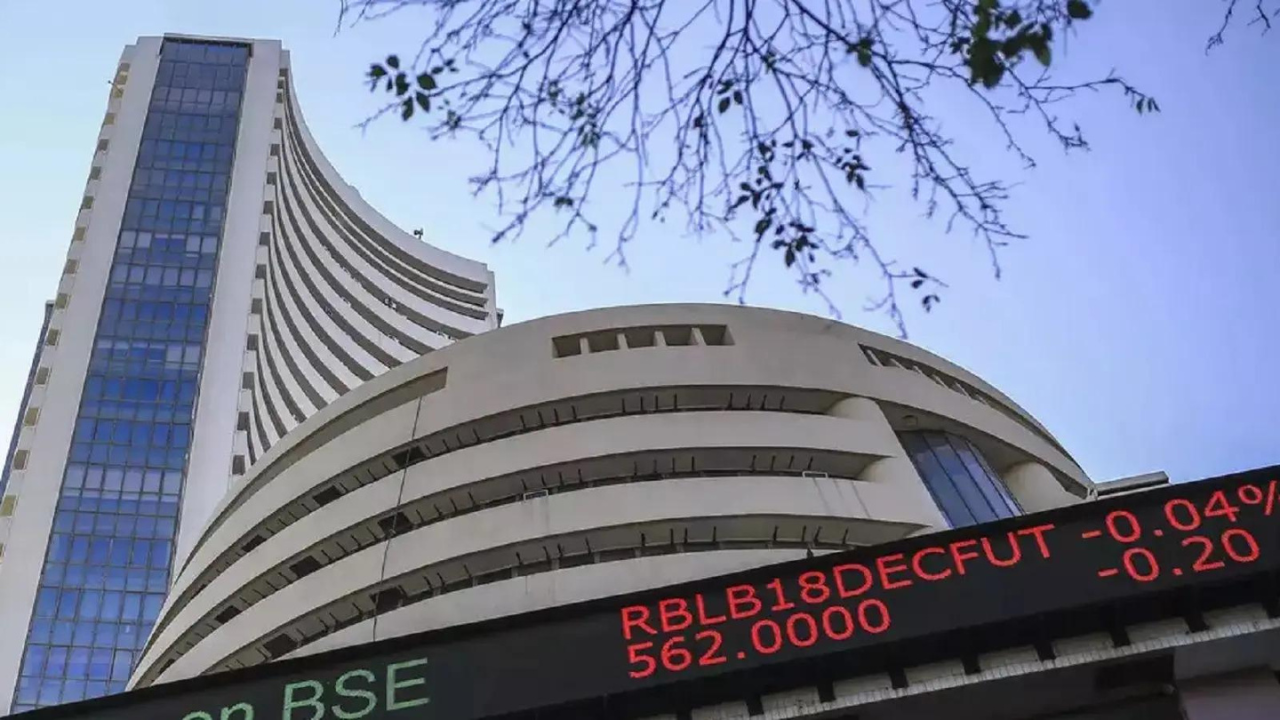
US-Iran Tensions Drive Stock Market Volatility Amid Oil Price Concerns
Coveragetap to expand ▾Spectrum: Center Only🌍US: 1 · Asia: 1
- Stock markets are expected to experience volatility this week amid US-Iran tensions (per Times of India).
- Concerns over crude oil prices are contributing to the anticipated market instability (per Times of India).
- The ongoing military actions between the US and Iran have heightened market uncertainty (per Times of India).
- Analysts suggest that fluctuations in oil prices could further exacerbate stock market volatility (per Times of India).
The stock markets are poised for continued volatility as tensions between the United States and Iran escalate, compounded by rising concerns over crude oil prices. This situation follows a series of military actions that have intensified the geopolitical landscape, leading to uncertainty among investors.
Analysts indicate that the ongoing conflict has a direct impact on oil supply and pricing, which in turn affects market stability. As crude oil prices fluctuate, investor sentiment is increasingly sensitive to developments in the region, particularly those involving US-Iran relations.
The potential for further military engagement raises alarms about the stability of oil supplies, which could lead to significant economic repercussions. In this context, market analysts are closely monitoring the situation, as any escalation could trigger more pronounced reactions in stock prices.
The interplay between geopolitical tensions and oil market dynamics is likely to shape financial markets in the near term, making it essential for investors to stay informed about the evolving situation.
- Investors in stock markets face potential losses due to volatility driven by US-Iran tensions and oil price fluctuations.
- Rising crude oil prices could lead to increased costs for consumers and businesses, impacting economic growth.
- The ongoing conflict may disrupt oil supplies, affecting global markets and leading to higher prices for essential goods.
- Whether US-Iran tensions escalate further, impacting stock markets by the end of the week.
- The response of oil prices to any new developments in the US-Iran conflict.
- Market reactions to any announcements from US financial authorities regarding economic measures.
- {"framing":[],"numbers":[],"causality":[],"attribution":[],"omitted_context":[],"disputed_or_unclear":[],"notable_quotes_or_claims":[]}