
Updat3
Search
Sign in

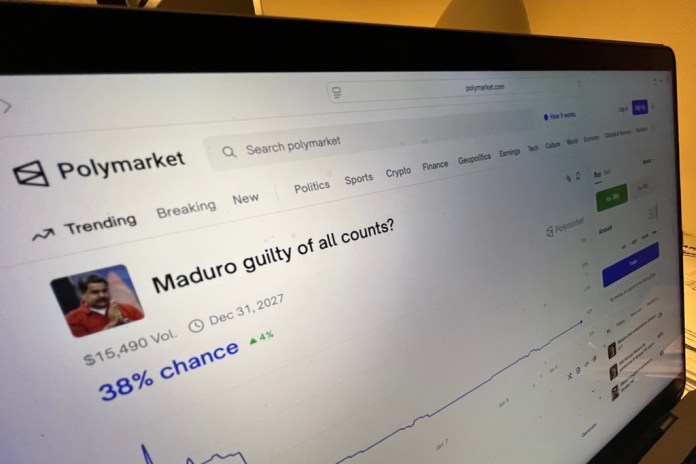
Senators ban themselves from gambling on prediction markets

Topic: geopoliticsRegion: north americaUpdated: i2 outletsSources: 5⚠ Bias gap — sources divergeSpectrum: Mostly Left4 min read
📰 Scored from 2 outletsacross 1 Left 1 RightHow we score bias →
Story Summary
SITUATION
In a significant move to enhance ethical standards, U.S. Senators voted to ban themselves from participating in prediction markets.
Coveragetap to expand ▾
Spectrum: Mostly Left🌍US: 5
Political Spectrum
Position is inferred from coverage mix.
i2 outlets · Center
Left
Center
Right
Left: 4
Center: 0
Right: 1
Geography Coverage
Distribution of where coverage is coming from.
i2 unique outlets · Dominant: US/Canada
KEY FACTS
  • The resolution takes effect immediately, meaning Senate members, staff, and officers are no longer allowed to place bets on or use prediction markets like Polymarket or Kalshi.
HISTORICAL CONTEXT

The decision by U.S. Senators to ban themselves from trading on prediction markets marks a significant moment in the intersection of politics and finance. Prediction markets, which allow participants to wager on the outcomes of future events, have been a growing area of interest and concern due to their potential to influence and reflect public opinion on political matters.

This self-imposed prohibition comes at a time when transparency and ethical standards in political conduct are under intense scrutiny. The immediate backdrop to this decision can be traced to increasing concerns about conflicts of interest and the potential for insider trading.

Brief

In a significant move to enhance ethical standards, U.S. Senators voted to ban themselves from participating in prediction markets. This decision comes amid rising scrutiny of lawmakers' financial activities and potential conflicts of interest, as many citizens express concerns about the integrity of their elected officials.

The ban is seen as a proactive measure to promote transparency and accountability within the government. While both left-leaning and right-leaning sources agree on the core fact of the ban, they differ slightly in their emphasis on the motivations behind it.

The left-leaning outlet highlights the ethical implications, while the right-leaning source focuses on the political pressures that led to this decision. As lawmakers navigate the complexities of their financial dealings, this ban may set a precedent for future regulations regarding government officials' participation in financial markets.

Where sources differ
Bias gap1.10 / 2.0

Left- and right-leaning outlets are covering this story differently — in which facts to emphasize, which context to include, and how to frame causes and consequences.

Left-leaning (4)
cnbc.com-0.80
senators ban themselves from prediction markets trading U.S. senators ban themselves from prediction markets trading - CNBC.
huffpost.com-0.65
Senators Ban Themselves From Using Prediction Markets Senators Ban Themselves From Using Prediction Markets Senators Ban Themselves From Using Prediction Markets Senators Ban Thems
washingtonpost.com-0.35
Senators ban themselves from participating in prediction markets Senators ban themselves from participating in prediction markets Senators ban themselves from participating in pred
wsj.com-0.20
Senators Vote to Ban Themselves From Trading on Prediction Markets Senators Vote to Ban Themselves From Trading on Prediction Markets Senators Vote to Ban Themselves From Trading o
Right-leaning (1)
washington_examiner+0.70
Senators ban themselves from gambling on prediction markets Senators ban themselves from gambling on prediction markets Senators ban themselves from gambling on prediction markets
Sources
5 of 5 linked articles