
SpaceX Achieves Historic $2 Trillion IPO After Overcoming Near
Topic: technologyRegion: north americaUpdated: i2 outletsSources: 5Spectrum: Center OnlyFiltered: Global (0/5)· Clear⏱ 4 min read
Story Summary
SITUATION
SpaceX's IPO on Friday made it one of the most valuable companies in the world with a $2 trillion market cap. Elon Musk admitted he initially thought the company had less than a 10% chance of succeeding after facing three consecutive rocket explosions and near-bankruptcy in 2008.
Coveragetap to expand ▾Spectrum: Center Only🌍Other: 3 · Europe: 1 · Asia: 1
Political Spectrum
Position is inferred from coverage mix.
i2 outlets · Center
Left
Center
Right
Left: 0
Center: 5
Right: 0
Geography Coverage
Distribution of where coverage is coming from.
i2 unique outlets · Dominant: Global
KEY FACTS
- “I gave SpaceX less than a 10% chance of succeeding at all,” Musk said.
- SpaceX’s IPO on Friday officially made it one of the most valuable companies in the world with a $2 trillion market cap —but getting to this point was no easy feat.
- Just over two decades ago, SpaceX was a fledgling startup sparked by an idea Elon Musk had after talking with his old college roommate.
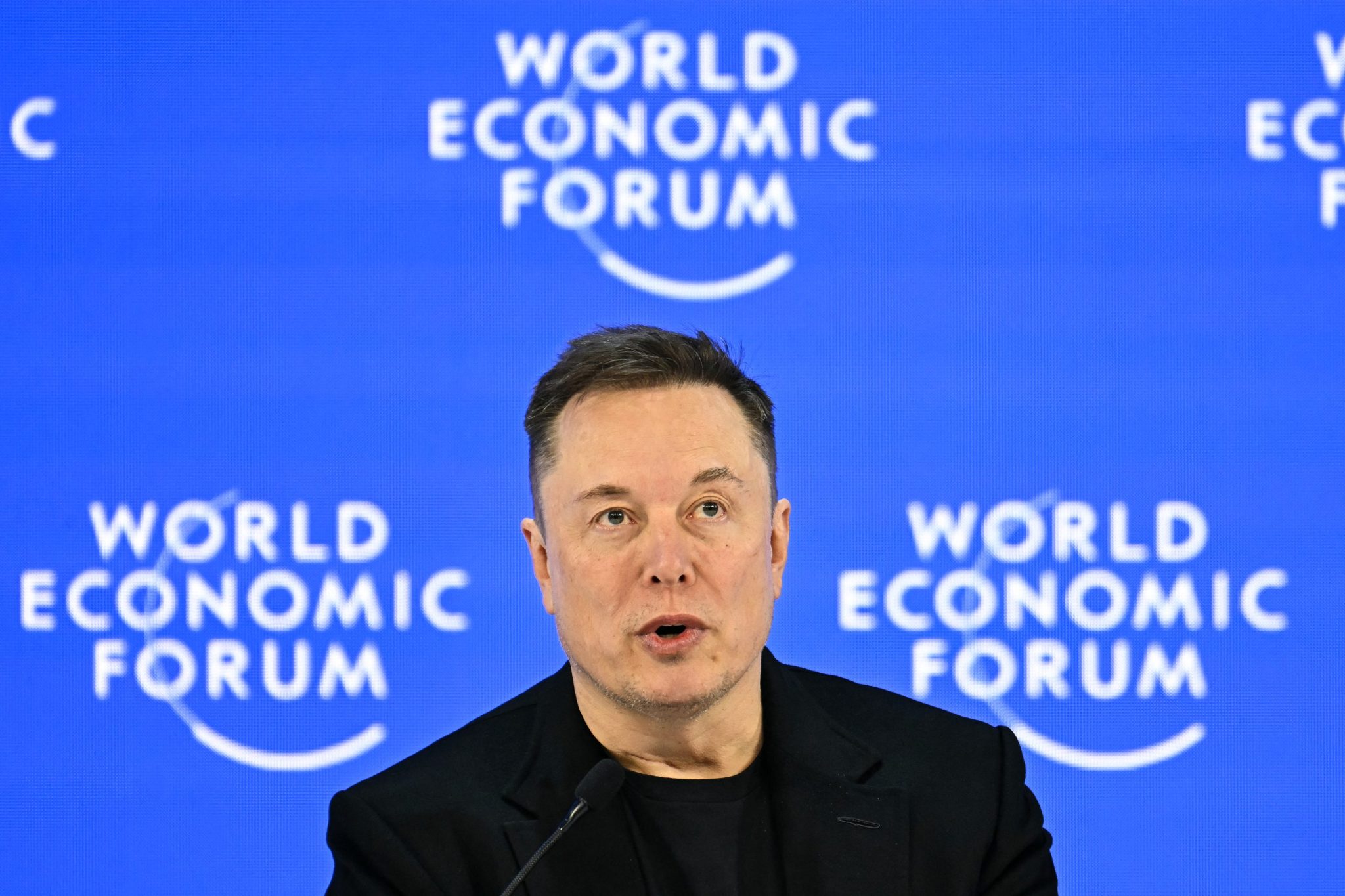
- Speaking to employees in Texas on Friday just before he rang the opening bell to signal SpaceX’s first day of trading, the CEO admitted he thought the company would fail.
HISTORICAL CONTEXT
In the early 2000s, the landscape of space exploration was dominated by government agencies and a few large aerospace corporations. However, the launch of SpaceX in 2002 by Elon Musk marked a significant shift in this paradigm. Musk's vision was to reduce space transportation costs and enable the colonization of Mars.
The company faced numerous challenges in its formative years, including technical failures and financial instability. By 2008, SpaceX had suffered three consecutive rocket explosions during its Falcon 1 launch attempts, leading to a precarious financial situation that nearly resulted in bankruptcy.
Brief
SpaceX's initial public offering (IPO) on Friday has made it one of the most valuable companies globally, achieving a market capitalization of $2 trillion. This remarkable milestone comes after a tumultuous history marked by significant challenges, including three consecutive rocket explosions and a near-bankruptcy situation in 2008.
Elon Musk, the CEO of SpaceX, candidly admitted that he initially believed the company had less than a 10% chance of succeeding, reflecting the high stakes and uncertainties that characterized its early days.
The IPO, which is now recognized as the largest in history, signifies a profound transformation for SpaceX, which was founded just over two decades ago based on an idea Musk conceived during a conversation with a college roommate.
Musk's remarks to employees in Texas before ringing the opening bell underscore the journey from a fledgling startup to a powerhouse in the aerospace industry. This achievement not only highlights SpaceX's resilience but also sets a precedent in the tech and aerospace sectors, showcasing the potential for innovation and success despite initial setbacks.
As the company embarks on this new chapter, the implications for the aerospace industry and investment landscape will be closely monitored.
Sources
0 of 5 linked articles · Filter: Global