
Rani Kapur has moved the Supreme Court, accusing her daughter-in-law, Ms.
Coveragetap to expand ▾Spectrum: Center Only🌍US: 1 · Asia: 1
- Rani Kapur has filed a petition with the Supreme Court regarding her daughter-in-law, Ms. Priya Kapur.
- A recent YouGov poll indicates that 38% of Americans approve of the Supreme Court's performance, while 45% disapprove.
- The Supreme Court's approval rating represents a modest improvement from previous polls conducted in mid to late 2025.
- The Supreme Court's recent decision in a tariff case may have influenced the uptick in approval ratings.
- The current net disapproval rating for the Supreme Court stands at -7, calculated from the 38% approval and 45% disapproval.
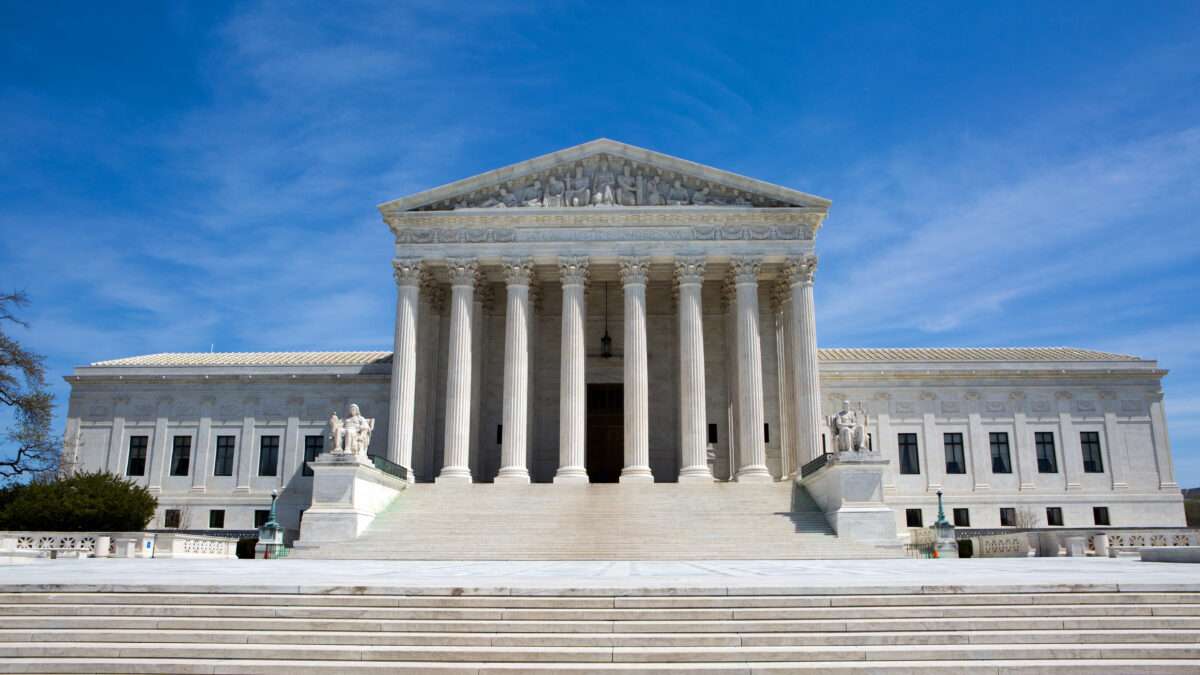
A recent YouGov poll indicates that the Supreme Court's popularity may be on the rise, with 38% of Americans approving of its performance and 45% disapproving. This net disapproval rating of -7 is an improvement compared to the Court's standing in mid to late 2025, suggesting a shift in public perception.
Analysts speculate that this uptick in approval could be linked to a recent decision regarding tariffs, which may have resonated positively with the public. The Supreme Court's approval ratings are notably better than those of the legislative and executive branches, which have faced significant criticism in recent months.
The poll, conducted in early May 2026, reflects a changing sentiment among Americans, who may be reassessing the Court's role and decisions in light of current events. As the political landscape evolves, the Supreme Court's decisions will continue to be scrutinized, and its popularity could fluctuate further based on upcoming rulings and public reactions.
- The Supreme Court's recent uptick in approval ratings, now at 38%, suggests a growing public confidence that could influence future judicial decisions and the Court's approach to politically charged cases.
- This shift is particularly significant for individuals and families like Priya Kapur, who are embroiled in legal battles over control of key assets tied to their estate; a more favorable perception of the Court may impact the outcomes of such disputes.
- Additionally, as the Court navigates public sentiment, its rulings could shape economic policies, particularly in areas like tariffs, affecting businesses and consumers alike.
- The Supreme Court is expected to hear arguments in a significant case regarding voting rights within the next two weeks, which could impact public perception of its performance.
- The Biden administration is set to announce new trade policies by the end of the month, potentially affecting the recent tariff case that influenced public approval ratings.
- Key congressional leaders will meet next week to discuss potential reforms to the Supreme Court, which could lead to legislative proposals by early next month.
- A major political rally is scheduled for next Saturday, where various candidates will address the Supreme Court's role in current political issues, likely shaping public discourse ahead of the upcoming elections.