
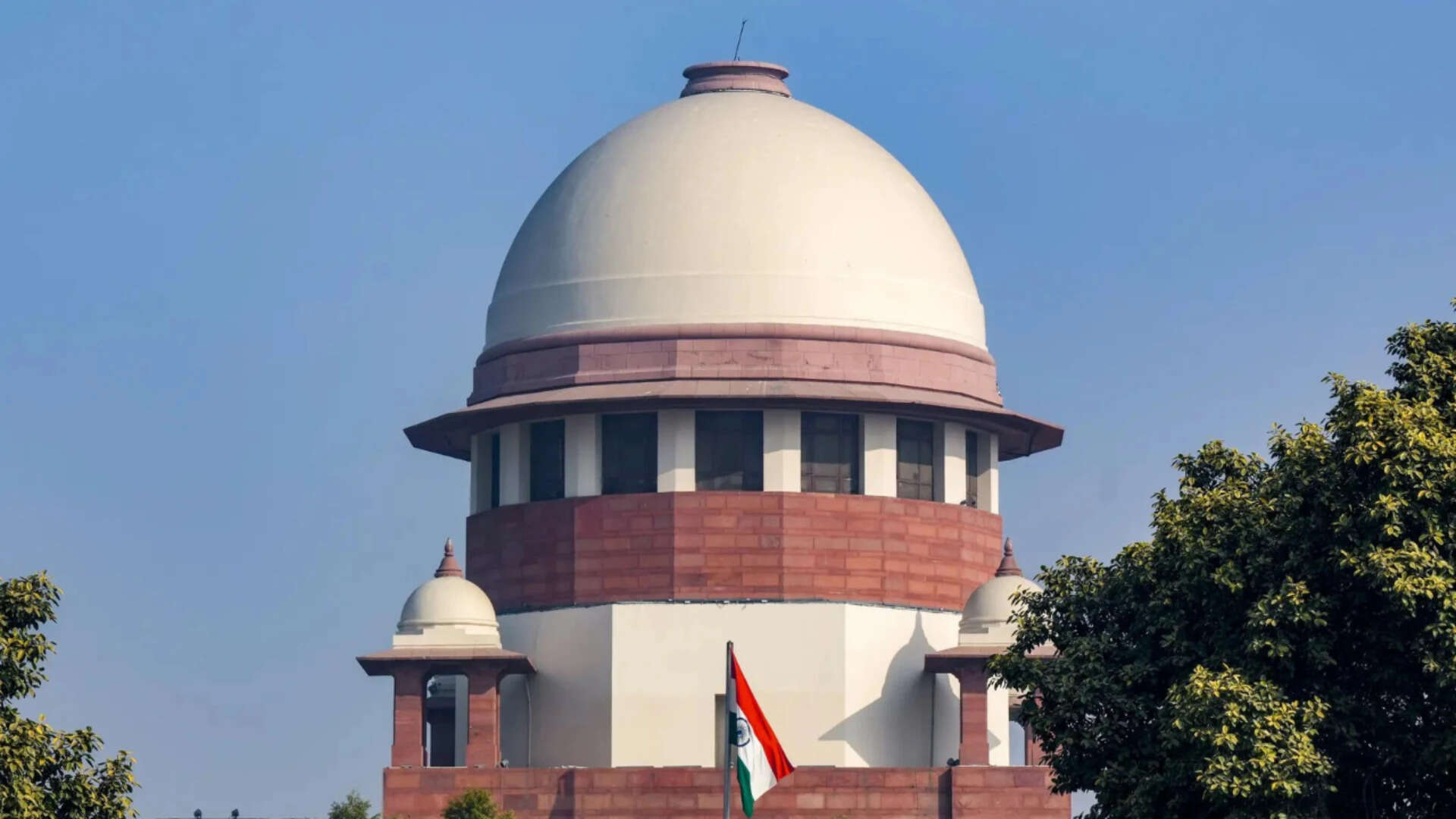
Supreme Court Overturns Key Acid Attack Deterrent Laws
Coveragetap to expand ▾Spectrum: Center Only🌍Asia: 1 · Other: 1
- The decision has sparked concerns about the potential rise in acid attacks due to weakened legal deterrents (per Times of India).
- Acid attacks have been a significant issue, with previous laws aimed at providing stringent punishment to deter such crimes (per Times of India).
- The reversal of these laws may impact the legal framework and enforcement against acid attacks (per Times of India).
The Supreme Court has made a controversial decision to reverse two pivotal legal provisions that were established to deter acid attacks. This move has raised alarms among activists and legal experts who fear that the absence of these deterrents could lead to an increase in such violent crimes.
Acid attacks have been a persistent issue, often leaving victims with severe injuries and lifelong trauma. The laws that were overturned had been put in place to impose stringent punishments on perpetrators, thereby acting as a deterrent. The Supreme Court's decision to reverse these provisions is seen as a step back in the fight against acid violence.
Critics argue that without these legal safeguards, the frequency of acid attacks could rise, as the risk of severe legal consequences diminishes. The decision has sparked a debate on the effectiveness of the legal system in protecting vulnerable individuals from such heinous acts.
As the implications of this ruling unfold, there is a growing call for the government to reassess and strengthen the legal framework to ensure the safety and protection of potential victims.
- Victims of acid attacks, often women, may face increased risk due to reduced legal deterrents.
- Legal experts and activists are concerned about the potential rise in acid attacks following the Supreme Court's decision.
- The reversal of these laws could undermine efforts to combat acid violence and protect vulnerable populations.
- Whether the government will introduce new legislation to address the gap left by the Supreme Court's decision.
- Public and activist response to the Supreme Court's ruling and potential protests or campaigns.
- Monitoring any changes in the frequency of acid attacks following the legal reversal.
- Times of India highlights concerns about increased acid attacks due to the legal reversal.
- The specific reasons for the Supreme Court's decision to reverse the laws are not detailed.
- No source mentions the historical context of acid attacks and previous legal measures taken to combat them.