
Tech prices could rise as Iran conflict disrupts electronics supply chain
Coveragetap to expand ▾Spectrum: Mostly Center🌍Other: 4
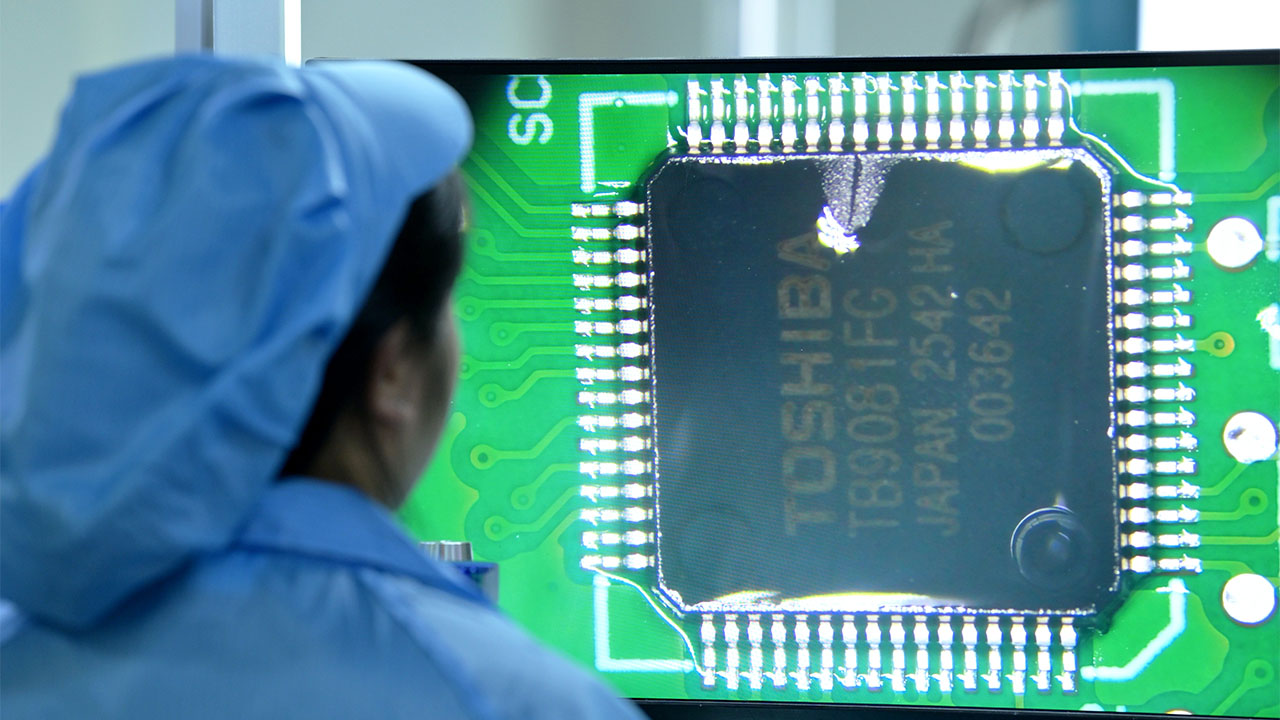
- The conflict involving Iran has disrupted the supply chain for printed circuit boards (PCBs), a critical component in electronics (per foxbusiness.com).
- Prices for circuit boards have surged, impacting the tech industry and potentially leading to higher consumer prices for electronics (per foxbusiness.com).
- Consumers may soon experience increased costs for tech products such as smartphones, laptops, and home appliances (per foxbusiness.com).
- The disruption in the electronics supply chain is attributed to the ongoing conflict involving Iran (per news.google.com).
- The conflict's impact is not limited to tech products; it also affects fuel prices, as noted by the mention of gas pump effects (per foxbusiness.com).
The ongoing conflict involving Iran has begun to ripple through the global electronics supply chain, causing a significant surge in the prices of printed circuit boards (PCBs). These components are essential for a wide range of electronic devices, including smartphones, laptops, and home appliances.
As a result, consumers are likely to face higher prices and fewer deals in the coming months. The disruption stems from the broader geopolitical tensions in the region, which have affected various industries. The tech sector, heavily reliant on a stable supply of components like PCBs, is particularly vulnerable to such disruptions.
The increased costs of these components are expected to be passed on to consumers, affecting their purchasing power and potentially slowing down sales in the tech market. While the immediate effects are being felt in the tech industry, the conflict's impact is also evident in the energy sector, with potential implications for fuel prices.
This dual impact underscores the interconnected nature of global supply chains and the far-reaching consequences of regional conflicts. Despite the clear signs of disruption, detailed reporting on the specific impacts remains limited.
Analysts are closely monitoring the situation to assess the full extent of the supply chain challenges and their potential long-term effects on the tech industry. The current situation highlights the vulnerability of global supply chains to geopolitical tensions and the need for companies to develop more resilient strategies to mitigate such risks.
As the conflict continues, businesses and consumers alike will need to adapt to the changing economic landscape. Overall, the ongoing conflict involving Iran serves as a stark reminder of the complex interplay between geopolitics and global commerce, with significant implications for industries and consumers worldwide.
- Consumers worldwide, particularly those purchasing tech products, will bear the cost as circuit board prices surge, leading to higher prices for smartphones and laptops.
- Tech companies may benefit from increased prices, but they also face challenges in managing supply chain disruptions and maintaining profit margins.
- The conflict highlights the vulnerability of global supply chains to geopolitical tensions, emphasizing the need for more resilient business strategies.
- Whether tech companies announce price increases for consumer electronics in the coming months.
- Monitoring of fuel prices as the conflict's impact on the energy sector unfolds.
- Potential strategic shifts by tech companies to diversify supply chains and mitigate future risks.
Left- and right-leaning outlets are covering this story differently — in which facts to emphasize, which context to include, and how to frame causes and consequences.
6 specific areas where coverage diverges — see below.
- Fox Business emphasizes the consumer impact of rising tech prices, while news.google.com focuses on the supply chain disruption.
- The specific extent of the price increase for circuit boards remains unclear.
- No source mentions the specific actions by Iran or other parties that directly triggered the supply chain disruption.
- The broader geopolitical context of the conflict, including the involvement of other nations, is not detailed.
- Fox Business mentions a surge in circuit board prices but does not specify the percentage increase.
- Both sources agree on the disruption's link to the Iran conflict but do not detail the specific causal mechanisms.
- Both sources attribute the supply chain disruption to the Iran conflict without specifying which actions directly caused it.