
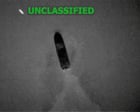
US Military Strike in Caribbean Kills Two; Drug Evidence Unverified
Coveragetap to expand ▾Spectrum: Mostly Center🌍US: 2 · Other: 2 · Europe: 1
- The US military struck a vessel in the Caribbean, killing two people, and alleged it was operated by 'designated terrorist organizations' (per theguardian.com).
- The military has not provided evidence that the vessel was carrying drugs (per theguardian.com).
- This strike is part of a broader campaign by the Trump administration targeting alleged drug-trafficking vessels in Latin American waters (per theguardian.com).
- The US Southern Command stated it targeted the alleged drug-trafficking vessel in the latest attack (per theguardian.com).
- Despite ongoing military engagements elsewhere, such as the Iran war, the US has increased its strikes in the Caribbean recently (per theguardian.com).
The US military has conducted a strike on a vessel in the Caribbean, resulting in the deaths of two individuals. The military claims the vessel was operated by 'designated terrorist organizations,' though it has not provided evidence to substantiate claims that the vessel was involved in drug trafficking.
This incident is part of a larger campaign initiated by the Trump administration aimed at dismantling alleged drug-trafficking operations in Latin American waters. Since the campaign's inception in early September, at least 188 people have been killed.
The US Southern Command reiterated its stance, stating that the targeted vessel was involved in drug trafficking, despite the lack of evidence presented to the public. This campaign continues even as the US is engaged in military operations elsewhere, such as the ongoing conflict with Iran.
The administration has emphasized its commitment to combating 'narcoterrorism' in the western hemisphere, a term it uses to describe the intersection of drug trafficking and terrorism. The lack of evidence regarding the presence of drugs on the targeted vessels raises questions about the legitimacy and objectives of the US military's actions in the region.
Critics argue that without transparent evidence, these operations may undermine international norms and provoke regional instability. As the campaign progresses, many governments and human rights organizations may scrutinize the US's actions and demand accountability for the civilian casualties incurred.
- The families of the two individuals killed in the strike bear the immediate human cost, with the mechanism of harm being the military action itself.
- The Trump administration benefits from maintaining a hardline stance against what it terms 'narcoterrorism,' potentially bolstering its domestic political support.
- The lack of evidence for drug trafficking on the targeted vessels raises concerns about the potential for unjustified military actions in the region.
- Whether the US military provides evidence of drug trafficking on the targeted vessel.
- Potential international responses or investigations into the US military's actions in the Caribbean.
- Any changes in the Trump administration's policy or strategy regarding 'narcoterrorism' in the western hemisphere.
Left- and right-leaning outlets are covering this story differently — in which facts to emphasize, which context to include, and how to frame causes and consequences.
7 specific areas where coverage diverges — see below.
- The Guardian emphasizes the lack of evidence for drug trafficking, questioning the legitimacy of the US military's actions.
- The presence of drugs on the targeted vessel remains unverified.
- No source mentions any prior actions by the targeted vessel that could have justified the strike.
- The Guardian reports at least 188 deaths since the campaign began.
- The US military claims the vessel was operated by 'designated terrorist organizations,' but no evidence has been provided.
- The US military attributes the operation to combating 'narcoterrorism,' but lacks evidence for drug trafficking.