
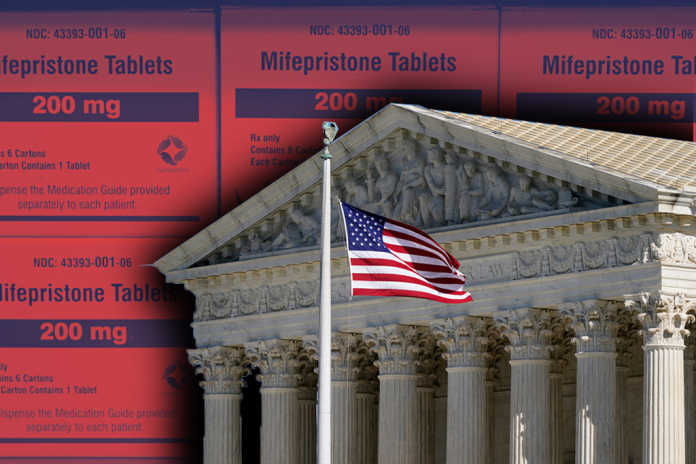
The number of mail-order abortions per month in 2025 reached 26,900.
Coveragetap to expand ▾Spectrum: Right Only🌍US: 1
- Of those, approximately 14,780 were “provided under shield laws.” According to the Society of Family Planning, “shield law” abortions are code for “unlawful” chemical abortions under state laws.
- That means, as of June 2025, more than half (55%) of all mail-order abortions were unlawful mail-order abortions because of either state-based abortion or telehealth restrictions.
- States that protect life after six weeks or later are seeing approximately 3,790 unlawful mail-order abortions every month.
- Together, that’s 12,790 unborn children every month who would otherwise have been protected under state law from destruction — 12,790 unborn children every month who the states were told after the fall of Roe v.
In 2025, the number of mail-order abortions reached 26,900, reflecting a significant shift in how abortions are accessed in the United States. This rise follows the Supreme Court's Dobbs decision, which empowered states to impose stricter abortion regulations, leading to a notable increase in unlawful abortions.
Approximately 14,780 of these mail-order abortions were categorized as 'provided under shield laws,' indicating that they were conducted in violation of state laws. The Society of Family Planning has described these 'shield law' abortions as unlawful chemical abortions, raising concerns about the safety and oversight of such procedures.
The Supreme Court's recent ruling allowed the continued distribution of mifepristone, a key abortion medication, through the mail, even in states with pro-life stances. Critics argue that this method of obtaining abortions bypasses necessary medical screenings, potentially endangering women's health.
As mail-order abortions now account for 27% of all abortions in the country, the implications of this trend are profound, affecting both legal frameworks and women's health outcomes across various states. The ongoing debate surrounding abortion access continues to evolve as states grapple with the implications of these changes.
- The rise in mail-order abortions to 26,900 per month in 2025, with over half reported as unlawful, highlights a significant shift in reproductive healthcare access amid restrictive state laws.
- This situation particularly affects women in states with stringent abortion regulations, forcing them to seek illegal options to terminate pregnancies.
- As a result, approximately 12,790 unborn children each month are not afforded the protections intended by these laws, raising ethical concerns and prompting potential legal challenges that could further complicate the landscape of reproductive rights in North America.
- Watch for potential legal challenges from state governments against mail-order abortion providers, expected to be filed within the next month.
- Monitor upcoming legislative sessions in key states, where lawmakers may propose new regulations on telehealth abortion services before the end of the current session.
- Keep an eye on major health organizations, such as the American Medical Association, which may release new guidelines on mail-order abortions within the next quarter.
- Anticipate announcements from major pharmaceutical companies regarding their stance on distributing abortion medications via mail, likely to come before the next quarterly earnings reports.
- Follow developments from advocacy groups that may launch campaigns to support or oppose mail-order abortions, with initiatives expected to roll out in the next six months.