
The value of debt held by the public has officially surpassed the size of the U.S.
Coveragetap to expand ▾Spectrum: Center Only🌍Other: 2
- The U.S. national debt held by the public has surpassed $31 trillion, exceeding the country's GDP (per fortune.com).
- As of March 31, the debt-to-GDP ratio reached 100.2% (per fortune.com).
The U.S. Congress is raising alarms over the national debt, which has now surpassed $31 trillion, officially exceeding the size of the country's economy. This development has pushed the debt-to-GDP ratio to 100.2% as of March 31, marking a significant fiscal milestone that has prompted renewed scrutiny from lawmakers.
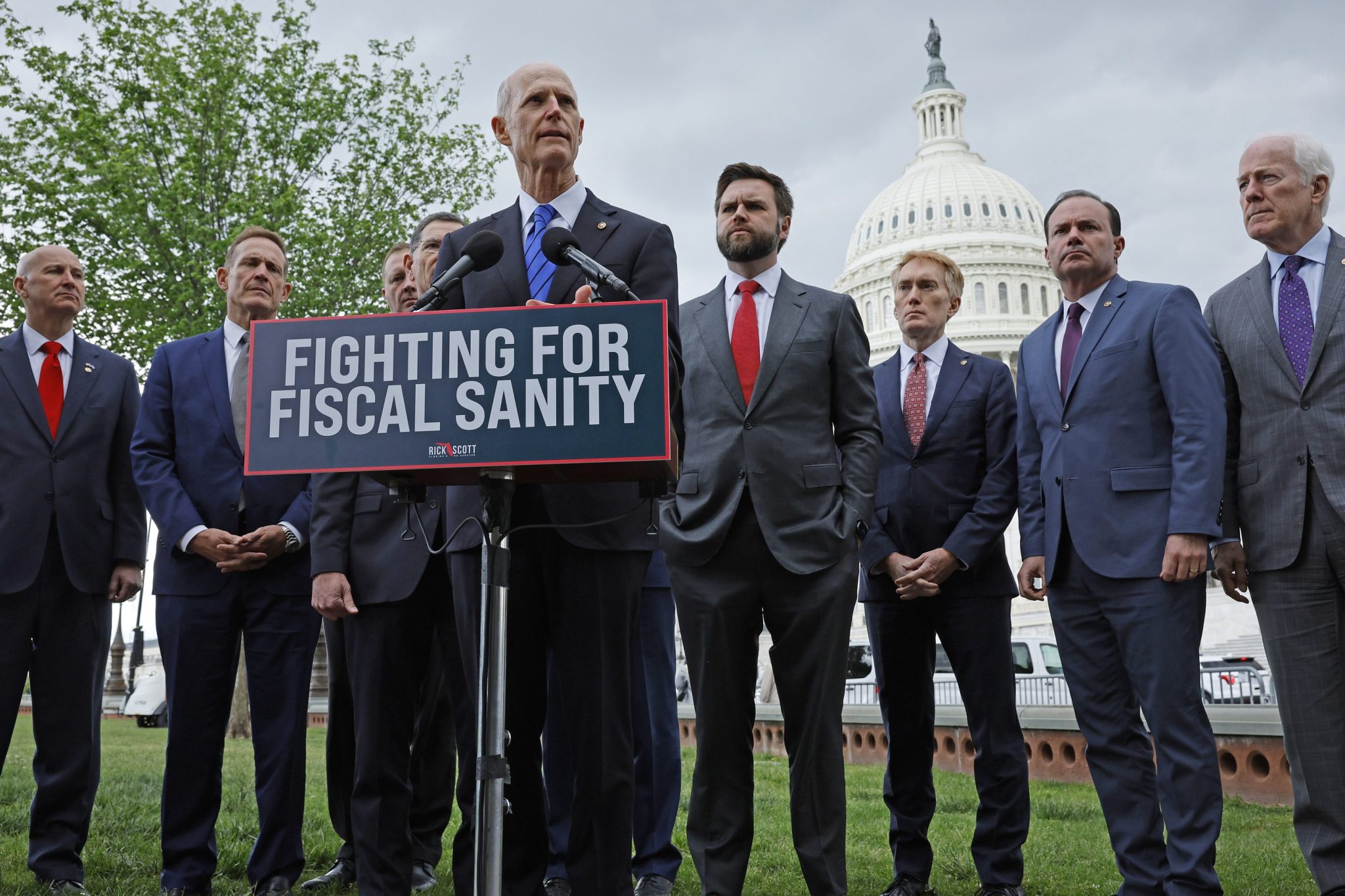
Senator Rick Scott has been particularly vocal, describing the situation as 'embarrassing' and attributing it to what he calls Washington's 'spending addiction.' He argues that the debt is a significant drag on the economy, contributing to inflation and higher living costs for American families.
The debate over the national debt is not new, but the recent figures have intensified discussions in Congress about fiscal responsibility and economic policy. Lawmakers are divided on how to address the issue, with some advocating for spending cuts and others calling for a balanced approach that includes revenue increases.
The political implications are significant, as the national debt is likely to be a key issue in upcoming elections, influencing voter sentiment and policy proposals. The debt's impact on the economy is multifaceted. It affects government borrowing costs, potentially leading to higher interest rates that can slow economic growth.
Additionally, the burden of servicing the debt could limit the government's ability to invest in critical areas such as infrastructure, education, and healthcare. Critics of the current fiscal policy argue that unchecked spending is unsustainable and could lead to a financial crisis if not addressed.
They point to the need for structural reforms to curb spending and reduce the deficit. However, there is also concern about the potential impact of austerity measures on economic recovery, particularly in the wake of recent global economic challenges. The debate over the national debt is further complicated by differing views on the role of government in the economy.
Some lawmakers argue for a more active government role in stimulating growth and addressing social issues, while others advocate for a smaller government footprint and greater reliance on market forces. As Congress grapples with these issues, the stakes are high.
The decisions made in the coming months will have long-term implications for the U.S. economy and its position in the global financial system. The challenge will be finding a path forward that balances fiscal responsibility with the need to support economic growth and stability.
- American families face higher living costs and inflation due to the national debt, impacting their financial stability.
- Government borrowing costs may increase, affecting interest rates and economic growth, with potential long-term consequences for public investment.
- Political leaders, particularly those in Congress, are under pressure to address the debt, influencing policy decisions and electoral outcomes.
- Whether Congress will propose specific spending cuts or revenue increases to address the national debt.
- Upcoming elections where the national debt may be a key issue influencing voter sentiment.
- Potential changes in government borrowing costs and their impact on the economy.
- fortune.com emphasizes the economic impact of the debt, while news.google.com focuses on the political discourse.
- No source mentions specific government programs or spending areas contributing most significantly to the debt.
- The role of tax policy in addressing the debt is not discussed in the sources.
- Rick Scott described the national debt as 'embarrassing' and a drag on the economy.