
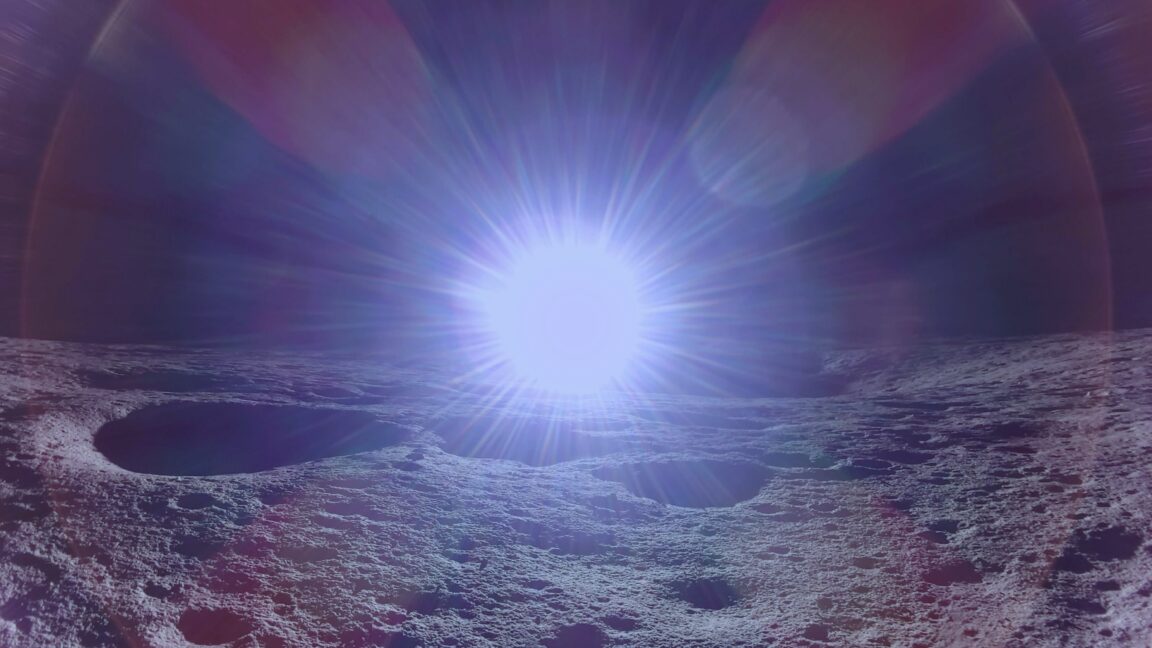
NASA will provide an update on its Moon base strategy and upcoming missions
Topic: technologyRegion: north americaUpdated: i2 outletsSources: 3Spectrum: Center OnlyFiltered: US/Canada (1/2)· Clear⏱ 5 min read⚠ 3d+ old
Story Summary
SITUATION
NASA to Provide Update on Moon Base Strategy, Missions NASA to Provide Update on Moon Base Strategy, Missions NASA will provide an update on its Moon base strategy and upcoming missions. The details of the update will outline the agency's plans for establishing a sustainable presence on the Moon as part of its Artemis program.
Coveragetap to expand ▾Spectrum: Center Only🌍US: 1 · Other: 1
Political Spectrum
Position is inferred from coverage mix.
i2 outlets · Center
Left
Center
Right
Left: 0
Center: 2
Right: 0
Geography Coverage
Distribution of where coverage is coming from.
i2 unique outlets · Dominant: US/Canada
KEY FACTS
- The details of the update will outline the agency's plans for establishing a sustainable presence on the Moon as part of its Artemis program.
- NASA Fosters Development of Lunar Resource-Seeking Technologies NASA is fostering the development of technologies aimed at seeking resources on the Moon. Lunar Resource-Seeking Technologies
- 650 NASA Volunteers Have Co-Authored Scientific Papers
- Liquid Lifeline: NASA Tech Could Create IV Fluid In Space
HISTORICAL CONTEXT
NASA's initiative to engage 650 volunteers in co-authoring papers on lunar resource technologies represents a significant step in the agency's long-standing commitment to lunar exploration and resource utilization.
This effort is part of a broader strategy to develop technologies that can identify and extract valuable materials from the Moon's surface, a critical component for sustaining future lunar missions and establishing a long-term human presence on the Moon.
Brief
NASA is making significant strides in its lunar exploration efforts, with 650 volunteers co-authoring scientific papers to advance technologies for seeking resources on the Moon. This initiative is part of NASA's broader strategy to enhance lunar exploration and utilization, aiming to establish a sustainable presence on the lunar surface.
The development of these technologies is crucial as NASA plans to increase its lunar landing frequency, targeting up to 21 landings over the next two and a half years. However, achieving this ambitious goal requires NASA to overhaul its current approach to procuring lunar landers and to address the supply chain issues that have previously hindered mission success.
Improved oversight of NASA's industrial base is also necessary to ensure timely delivery and execution of these missions. Despite these challenges, NASA remains committed to its lunar objectives, viewing the Moon as a critical stepping stone for future deep space exploration.
The agency's efforts are not only focused on landing on the Moon but also on utilizing its resources, which could support longer-term missions and reduce reliance on Earth-based supplies. This dual focus on exploration and resource utilization underscores NASA's comprehensive approach to space exploration, aiming to pave the way for human presence beyond Earth.
Sources
1 of 2 linked articles · Filter: US/Canada