
Trump Administration Reports Recovery of 146,000 Missing Migrant Children
Topic: generalRegion: North AmericaUpdated: i1 outletsSources: 1Spectrum: Right OnlyFiltered: US/Canada (1/1)· Clear⏱ 4 min read⚠ 48h+ old
Story Summary
SITUATION
The Trump administration's recovery of 146,000 missing migrant children highlights significant gaps in the handling of unaccompanied minors, raising urgent questions about the effectiveness of policies aimed at protecting vulnerable populations at the U.S. border.
Coveragetap to expand ▾Spectrum: Right Only🌍US: 1
Political Spectrum
Position is inferred from coverage mix.
i1 outlets · Right
Left
Center
Right
Left: 0
Center: 0
Right: 1
Geography Coverage
Distribution of where coverage is coming from.
i1 unique outlets · Dominant: US/Canada
KEY FACTS
- Those children were released into the U.S., and the Department of Health and Human Services Office of Refugee Resettlement was responsible for placing each child with a vetted sponsor through court proceedings.
HISTORICAL CONTEXT
The ongoing situation regarding unaccompanied migrant children in the United States is deeply intertwined with the policies and actions of both the Biden and Trump administrations. The issue escalated significantly during the Biden administration, which began on January 20, 2021.
In the years leading up to this, the United States experienced a surge in the number of unaccompanied minors arriving at its southern border, a trend that began to rise sharply in 2020. This increase was influenced by a combination of factors, including violence, poverty, and political instability in Central American countries, particularly Guatemala, Honduras, and El Salvador.
Brief
The Trump administration has announced the recovery of 146,000 unaccompanied migrant children who went missing after being released to unvetted sponsors during the Biden administration.
This significant finding underscores the challenges faced in managing the welfare of unaccompanied minors, a situation that has drawn criticism regarding the handling of these vulnerable populations.
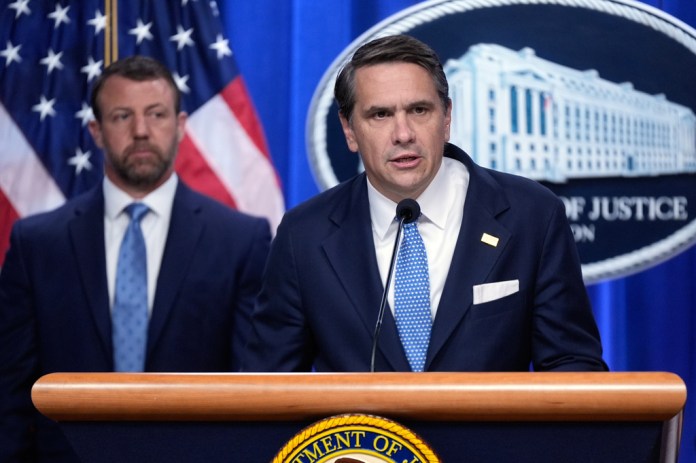
Senior officials, including Acting Attorney General Todd Blanche, have confirmed the successful tracking of these children, which raises questions about the processes in place for their care and oversight.
The Department of Health and Human Services Office of Refugee Resettlement was responsible for placing these children with sponsors, but the lack of vetting has led to serious concerns about their safety. The recovery of these children is a critical step, yet it highlights the systemic issues that allowed such a large number to go missing in the first place.
As the Trump administration continues to address this issue, it is likely to prompt further scrutiny of the policies and practices surrounding the treatment of unaccompanied minors at the border.
Why it matters
- The recovery of 146,000 missing migrant children highlights the urgent need for improved oversight and accountability in the U.S. child welfare system, particularly regarding the placement of unaccompanied minors with sponsors.
- These children, often fleeing dire circumstances, are vulnerable to exploitation and trauma, and their safe reunification with vetted sponsors is critical for their well-being.
- Addressing these gaps not only protects the rights and safety of these children but also alleviates the burden on social services and fosters community trust in the immigration process.
- Failure to ensure their safety can lead to long-term psychological and social challenges for these minors, impacting their integration into society.
What to watch next
- The Biden administration is expected to announce new policies regarding migrant child welfare within the next 30 days, focusing on prevention and support measures.
- Congressional hearings on the handling of migrant children by the Trump administration will take place within the next two weeks, with key testimonies from former officials.
- Advocacy groups plan to release a report detailing the long-term impacts on the recovered children and their families within the next month.
- The Department of Health and Human Services is set to provide updates on the integration and support services for the recovered children within the next 72 hours.
- State governments may propose new legislation addressing migrant child protections in their upcoming sessions starting next month.
Sources
1 of 1 linked articles · Filter: US/Canada