
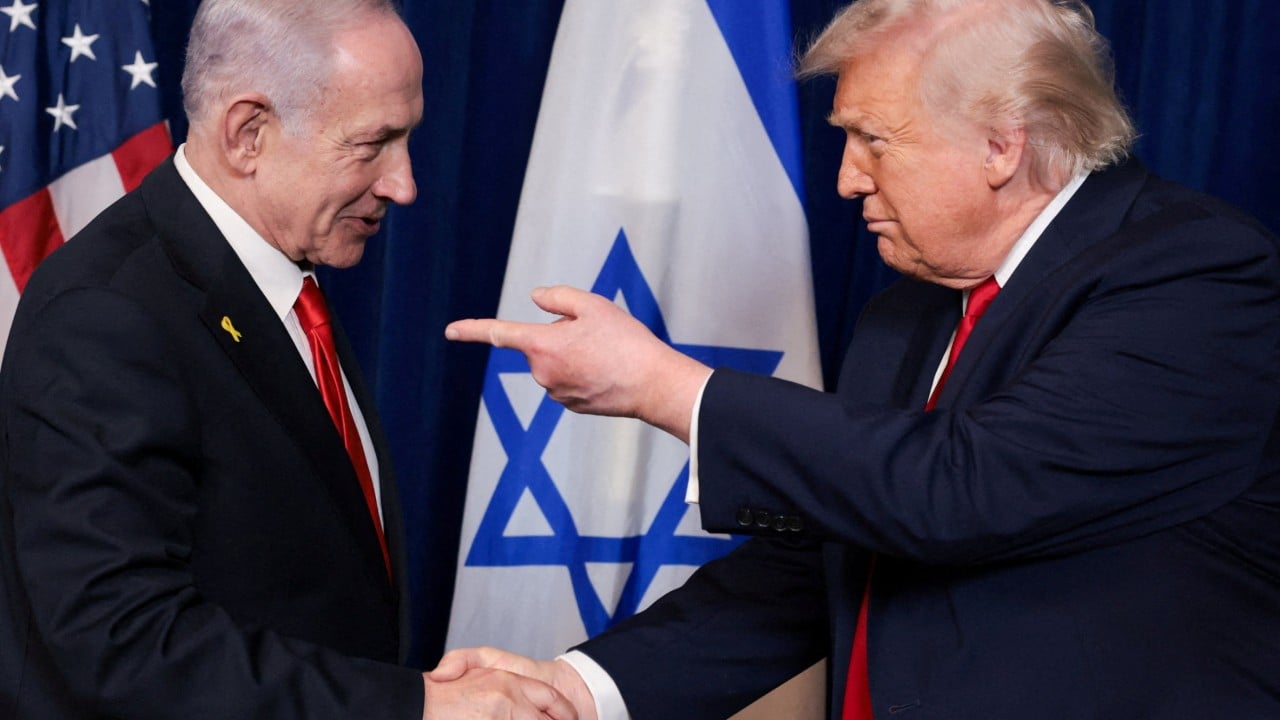
Trump-Netanyahu relationship under growing strain over Iran: ‘you’re crazy!’
Coveragetap to expand ▾Spectrum: Mixed🌍Asia: 2 · US: 1 · Europe: 1 · ME: 1 · Other: 1
- Trump wants a way out of a war that has badly hit the US economy less than six months before midterm elections, which will decide if his Republican Party keeps control of Congress.
- The second-term Republican president, 79, also faces growing criticism from parts of his Make America Great Again (Maga) coalition that he is doing Israel’s bidding in the Iran war.
- Israel’s veteran prime minister meanwhile faces the possible collapse of his right-wing coalition and is under fire for bowing to Trump on matters of security after calling off a plan to attack Beirut.
The relationship between U.S. President Donald Trump and Israeli Prime Minister Benjamin Netanyahu is experiencing significant strain, primarily due to disagreements over Iran strategy.
Recent reports indicate that Trump expressed his frustration during a phone call with Netanyahu, where he reportedly called the Israeli leader 'crazy' for considering military action against Beirut.
This tension arises as Trump faces increasing pressure to de-escalate the conflict with Iran, which has negatively impacted the U.S. economy just months before the midterm elections. Critics within Trump's Make America Great Again coalition are voicing concerns that he is prioritizing Israeli interests over American ones in this ongoing war.
Meanwhile, Netanyahu is grappling with his own political challenges, as his right-wing coalition is at risk of collapse, and he faces backlash for appearing to bow to Trump's demands regarding security operations.
The dynamics of their relationship are further complicated by the broader implications of their military strategies, as both leaders navigate the pressures of their respective political landscapes amidst the ongoing conflict with Iran.
Left- and right-leaning outlets are covering this story differently — in which facts to emphasize, which context to include, and how to frame causes and consequences.