
Trump Appeals Court Ruling on Tariffs, Faces Global Trade Uncertainty
Topic: technologyRegion: North AmericaUpdated: i7 outletsSources: 13⚠ Bias gap — sources divergeSpectrum: MixedFiltered: Asia (4/12)· Clear⏱ 2 min read📡 Wire pickup⚠ 3d+ old
Story Summary
SITUATION
After a court invalidated his use of Section 122 for tariffs, President Trump appealed the decision, escalating global trade tensions. The ruling challenges the administration's tariff strategy, potentially affecting billions in refunds.
Coveragetap to expand ▾Spectrum: Mixed🌍US: 7 · Asia: 4 · Other: 1
Political Spectrum
Position is inferred from coverage mix.
i7 outlets · Center
Left
Center
Right
Left: 4
Center: 7
Right: 1
Geography Coverage
Distribution of where coverage is coming from.
i7 unique outlets · Dominant: US/Canada
KEY FACTS
- The US Court of International Trade found Trump's use of Section 122 did not meet the required 'large and serious' trade deficit test (per scmp.com).
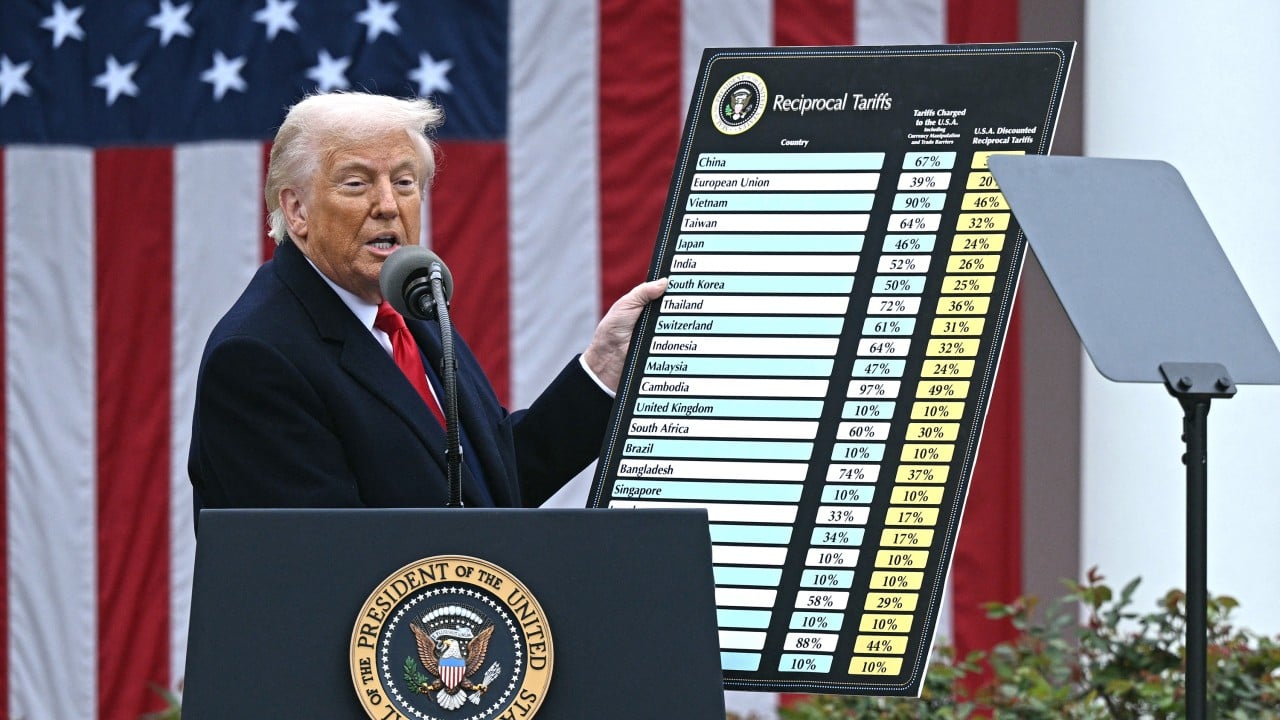
- The invalidated tariffs imposed a 10% import tax on nearly every country (per scmp.com).
- The ruling may lead to billions of US dollars in refunds (per scmp.com).
HISTORICAL CONTEXT
This development falls within the broader context of Technology activity in Asia Pacific.
Current reporting indicates: In its ruling, the court found that he failed to meet the “large and serious” trade deficit test required under the 1974 statute. “That said, psychologically and politically, the ruling is still a setback for the Trump administration,” said Yilun Zhang, trade manager at the Institute for China-America Studies.
Brief
President Donald Trump has filed an appeal against a recent court decision that invalidated his administration's use of Section 122 to impose tariffs, a move that has intensified global trade uncertainty.
The US Court of International Trade ruled that Trump's application of a 10% import tax on nearly every country failed to meet the 'large and serious' trade deficit test required by the 1974 statute. This decision could potentially lead to billions of dollars in refunds, challenging the administration's tariff strategy.
The court's ruling represents a significant legal and political setback for Trump, who has made tariffs a cornerstone of his trade policy. Yilun Zhang, a trade manager at the Institute for China-America Studies, noted that the ruling reinforces the perception that the administration's tariff toolkit is becoming more legally constrained.
This development forces the White House to scramble for alternative tariff authorities to maintain its trade agenda. Section 122 was initially used as a temporary measure until more stringent provisions could be enacted. However, the court's decision limits its impact, leaving the administration to explore other legal avenues to sustain its tariff policies.
The appeal filed by Trump aims to overturn the ruling, but it also sets the stage for a protracted legal battle that could further complicate international trade relations. The tariffs in question imposed a 10% import tax on goods from nearly every country, a move that has been controversial both domestically and internationally.
Critics argue that such tariffs have strained relationships with key trading partners and increased costs for American consumers and businesses. The potential for billions in refunds adds another layer of complexity to the situation, as affected countries and companies may seek compensation.
This legal challenge comes at a time when the global economy is already facing significant uncertainties. The outcome of the appeal could have far-reaching implications for international trade dynamics and the future of US tariff policies.
As the Trump administration navigates this legal and political landscape, the world watches closely to see how these developments will unfold. The appeal process will likely take time, and its resolution could influence the administration's ability to implement its broader trade strategy.
Meanwhile, affected countries and industries are preparing for potential changes in trade relations and economic impacts. The court's decision underscores the complexities of using tariffs as a tool for economic policy and the legal challenges that can arise from such strategies.
Why it matters
- The court ruling could lead to billions of dollars in refunds, directly impacting the US Treasury and potentially affecting government spending priorities.
- US businesses and consumers may face increased costs due to the uncertainty surrounding tariff policies, affecting economic stability and consumer prices.
- Countries affected by the tariffs may seek compensation, leading to potential diplomatic tensions and renegotiations of trade agreements.
- The Trump administration's need to find alternative tariff authorities highlights the legal constraints on its trade policy, influencing future trade negotiations and strategies.
What to watch next
- Whether President Trump successfully overturns the court ruling through the appeal process.
- The potential for affected countries to seek compensation or renegotiate trade agreements in response to the ruling.
- The Trump administration's exploration of alternative tariff authorities and the legal challenges that may arise.
Where sources differ
2 dimensionsBias gap1.00 / 2.0
Left- and right-leaning outlets are covering this story differently — in which facts to emphasize, which context to include, and how to frame causes and consequences.
Left-leaning (4)
straits_times-0.80
US government appeals judge’s order for tariff refunds US government appeals judge’s order for tariff refunds US government appeals judge’s order for tariff refunds WASHINGTON – Th…
scmp_world-0.80
US government appeals against judge’s order for Trump tariff refunds US government appeals against judge’s order for Trump tariff refunds The Trump administration on Tuesday formal…
latimes.com-0.50
Trump plans to appeal order allowing all U.S. companies that paid illegal tariffs to seek refunds - Los Angeles Times
sydney_morning_herald-0.15
Trump’s ‘Hail Mary’ attempt to save his war on the world Trump’s ‘Hail Mary’ attempt to save his war on the world. Reporting is limited at this stage.
Center (7)
apnews.comreason_magtimes_of_indiausnews.comwsj.comnytimes.comnbcnews.com
Right-leaning (1)
ny_post_news+0.80
Trump plans to appeal order that allowed importers tariff refunds Trump plans to appeal order that allowed importers tariff refunds Trump plans to appeal order that allowed importe…
2 specific areas where coverage diverges — see below.
Omitted context
?- No source mentions the specific economic impact on US businesses and consumers due to the tariffs.
- The sources do not discuss the potential diplomatic consequences with affected countries.
Notable claims
?- Yilun Zhang described the ruling as a psychological and political setback for the Trump administration (per scmp.com).
Sources
4 of 12 linked articles · Filter: Asia
But the latest appeal could potentially impact this operation.
straitstimes.comJun 2Left
↗
US government appeals against judge’s order for Trump tariff refunds
scmp.comJun 2Left
↗
US tariff row: Refunds in limbo as Trump admin moves to appeal court order
timesofindia.indiatimes.comMay 30Left
↗
Donald Trump’s attempts to impose a global tariff regime have been struck down twice by US courts.
smh.com.auMay 12Center
↗