
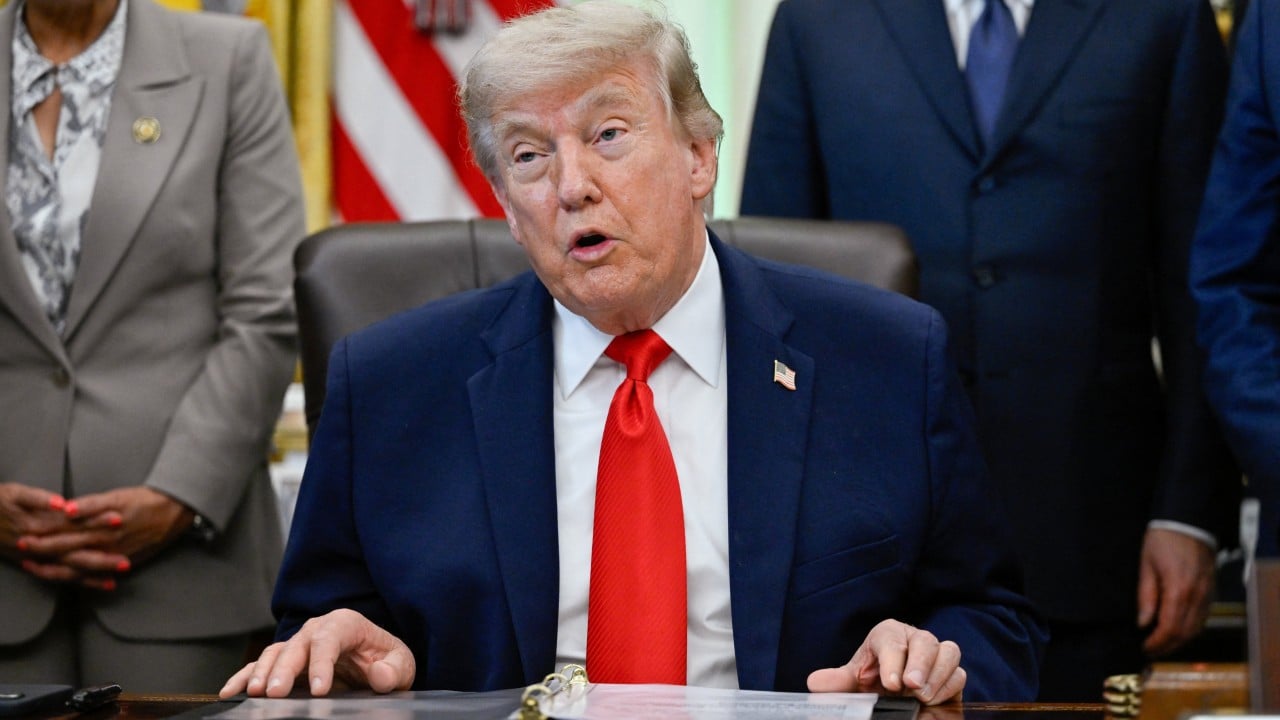
Trump Cancels Iran Strikes, Announces Completion of US
Topic: geopoliticsRegion: North AmericaUpdated: i4 outletsSources: 7⚠ Bias gap — sources divergeSpectrum: Mixed⏱ 4 min read📡 Wire pickup⚠ 3d+ old
Story Summary
SITUATION
After threatening military action against Iran, President Donald Trump cancelled planned strikes, citing successful negotiations with Tehran. The cancellation follows discussions that reached the highest levels of Iranian leadership, indicating a potential peace deal is imminent.
Coveragetap to expand ▾Spectrum: Mixed🌍US: 3 · Asia: 3 · Other: 1
Political Spectrum
Position is inferred from coverage mix.
i4 outlets · Center
Left
Center
Right
Left: 4
Center: 2
Right: 1
Geography Coverage
Distribution of where coverage is coming from.
i4 unique outlets · Dominant: US/Canada
KEY FACTS
- Trump Cancels Iran Strikes, Says Tehran Has ‘Approved’ Talks - WSJ
- Trump calls off Iran strikes, tells The Post the US-Tehran deal is ‘all wrapped up’
- Trump calls off Iran strikes, tells The Post US-Tehran deal is 'all wrapped up'
HISTORICAL CONTEXT
The ongoing military conflict between the United States, Israel, and Iran has reached a critical juncture as of March 2026. The United States and Israel launched coordinated military strikes against Iran, targeting its power plants, air defenses, and military infrastructure.
These actions have provoked Iranian military responses throughout 2026, escalating tensions in the region. The backdrop of this conflict is rooted in a series of events and decisions that have shaped the relationship between these nations over decades.
Brief
On June 11, 2026, President Donald Trump announced the cancellation of planned military strikes against Iran, a decision that followed a series of threats to escalate military action. Trump cited successful negotiations with Tehran, stating that discussions had reached the highest levels of Iranian leadership and received approval from all parties involved.
This development comes amid ongoing efforts to secure a peace deal that would ease tensions in the region, particularly concerning Iran's control over the strategic Strait of Hormuz. While Trump has repeatedly claimed that a deal to end the war is close, the specifics of the agreement remain unclear.
Reports suggest that the deal may involve reopening the Strait of Hormuz and ending a US blockade on Iranian ports, which has been a point of contention in the ongoing conflict. Both Iranian and Western sources have indicated that negotiations have intensified, signaling a potential shift in the dynamics of the conflict.
However, the situation remains fluid, and the implications of this cancellation on future US-Iran relations are yet to be fully understood.
Where sources differ
Bias gap0.50 / 2.0
Left- and right-leaning outlets are covering this story differently — in which facts to emphasize, which context to include, and how to frame causes and consequences.
Left-leaning (4)
firstpost.com-0.80
Trump cancels Thursday Iran strikes, signals deal signing after 'highest-level' talks - Firstpost Trump cancels Thursday Iran strikes, signals deal signing after 'highest-level' ta…
scmp_world-0.80
Trump calls off Iran strikes, citing progress in talks Trump calls off Iran strikes, citing progress in talks Trump cancels planned strikes on Iran US President Donald Trump said o…
straits_times-0.80
Trump cancels US strikes on Iran, citing progress in peace talks Trump cancels strikes against Iran planned for Thursday evening US President Donald Trump said he has cancelled pla…
wsj.com-0.20
Trump Cancels Iran Strikes, Says Tehran Has ‘Approved’ Talks - WSJ Trump Cancels Iran Strikes, Says Tehran Has ‘Approved’ Talks - WSJ. Reporting is limited at this stage.
Center (2)
knrs.iheart.combloomberg.com
Right-leaning (1)
ny_post_news+0.80
Trump calls off Iran strikes, tells The Post the US-Tehran deal is ‘all wrapped up’ Trump calls off Iran strikes, tells The Post US-Tehran deal is 'all wrapped up' WASHINGTON — We …
Sources
7 of 7 linked articles
Trump Cancels Planned Strikes on Iran Amid Tensions
knrs.iheart.comJun 11Left
↗
Trump cancels Thursday Iran strikes, signals deal signing after 'highest-level' talks
firstpost.comJun 11Left
↗
Trump Cancels Iran Strikes, Says Tehran Has ‘Approved’ Talks
wsj.comJun 11Center
↗
Trump calls off Iran strikes, citing progress in talks
scmp.comJun 11Left
↗
Trump cancels US strikes on Iran, citing progress in peace talks
straitstimes.comJun 11Left
↗
Trump calls off Iran strikes, tells The Post the US-Tehran deal is ‘all wrapped up’
nypost.comJun 11Center
↗