
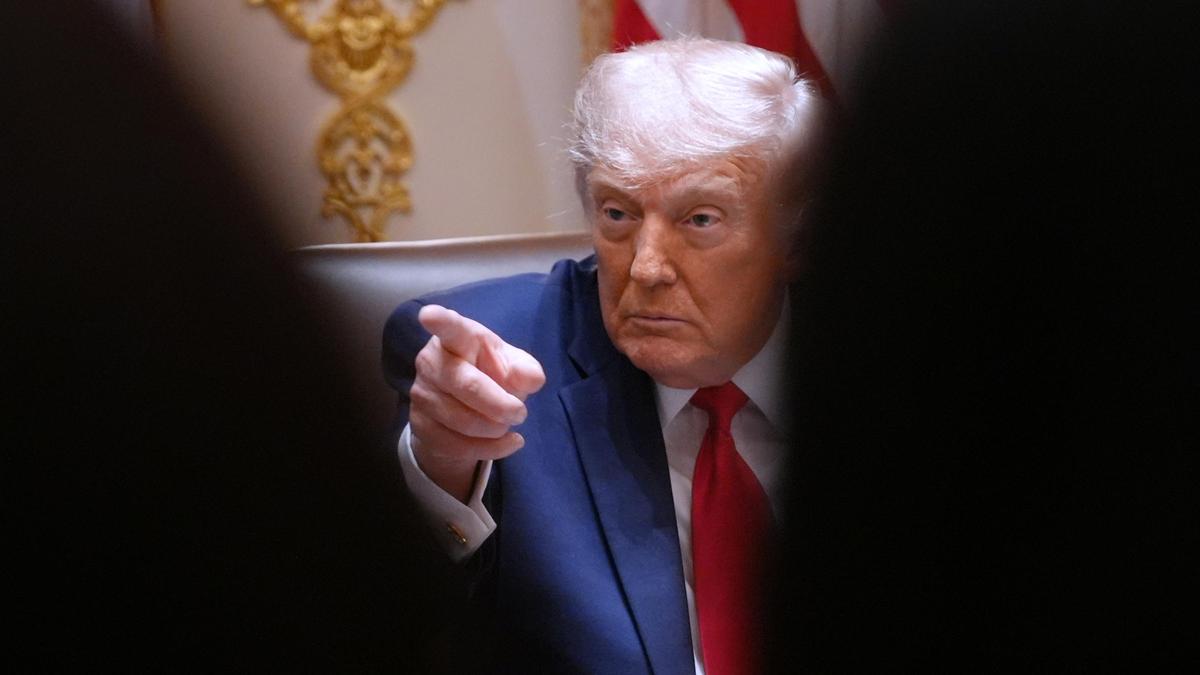
Trump says US 'not satisfied' with Iran peace deal proposals
Coveragetap to expand ▾Spectrum: Center Only🌍Europe: 3 · Asia: 2 · US: 1 · ME: 1
- On Tuesday, October 3, 2023, President Donald Trump stated during a cabinet meeting that the United States is 'not satisfied' with Iran's proposals for a peace deal.
- Trump indicated that key points of difference remain in the negotiations between the US and Iran regarding the ongoing conflict.
- The US President acknowledged that Iran is 'intent on a deal' but emphasized that the current proposals do not meet US expectations.
- Trump warned that if a satisfactory peace deal is not reached, he is prepared to take further action, stating he is ready to 'finish the job.'
- This statement reflects ongoing tensions in US-Iran relations, particularly concerning Iran's nuclear program and enriched uranium.
During a recent cabinet meeting, President Donald Trump articulated the United States' dissatisfaction with Iran's proposals aimed at resolving the ongoing conflict between the two nations. He emphasized that while Iran is eager to reach an agreement, significant differences remain in the negotiations, which have yet to yield a satisfactory outcome for the US.
Trump warned that if a peace deal is not struck, he is prepared to 'finish the job,' indicating a willingness to escalate military actions if necessary. This statement comes amid heightened tensions following the US and Israel's coordinated military strikes against Iran that began in early March 2026.
Trump's remarks reflect a broader strategy to exert pressure on Iran, which he claims is 'intent on a deal,' yet he insists that the current proposals do not meet US expectations. The situation underscores the complexities of the negotiations, as both sides grapple with their respective demands and the implications of continued military engagement.
As the conflict persists, the potential for further escalation remains a critical concern for regional stability and international relations.
- The U.S. dissatisfaction with Iran's peace deal proposals could prolong tensions in the region, affecting not only diplomatic relations but also the stability of oil markets, which are sensitive to geopolitical conflicts.
- If negotiations fail and military action is taken, it could lead to increased civilian casualties and humanitarian crises in Iran and surrounding countries, exacerbating the plight of populations already suffering from economic sanctions and conflict.
- Additionally, this standoff may hinder international efforts to address nuclear proliferation, as Iran's nuclear ambitions remain a critical concern for neighboring nations and global powers alike.
- Watch for a potential response from Iran regarding the US's dissatisfaction with the peace deal proposals, expected within the next 72 hours.
- Monitor statements from the European Union as they may seek to mediate discussions between the US and Iran before the upcoming June summit.
- Anticipate a briefing from the US State Department outlining new diplomatic strategies aimed at Iran, likely to be released within the next week.
- Keep an eye on congressional reactions, particularly from key committees, as they may hold hearings on US-Iran relations before the end of the month.
- Expect a statement from the Israeli government regarding their stance on the US-Iran negotiations, anticipated within the next few days.
Left- and right-leaning outlets are covering this story differently — in which facts to emphasize, which context to include, and how to frame causes and consequences.