
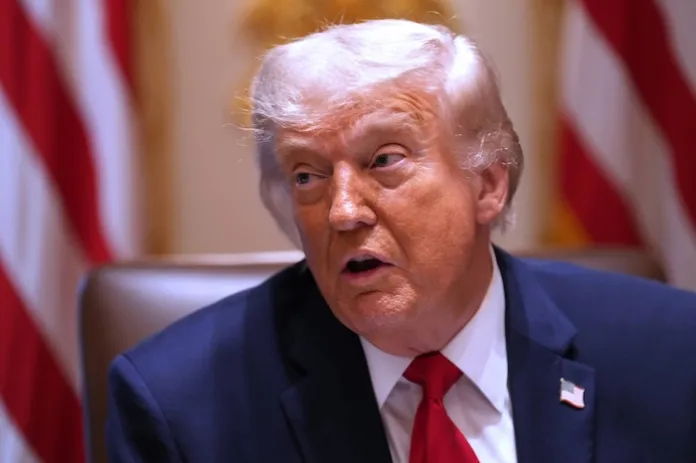
For months, the world has watched another round of negotiations with Iran unfold.
Coveragetap to expand ▾Spectrum: Mostly Center🌍Other: 3 · US: 1 · Europe: 1
- President Donald Trump has announced that an agreement with Iran has been largely negotiated and now awaits finalization.
- Any agreement that leaves Iran’s rulers in power, its nuclear infrastructure largely intact, and its ability to threaten the Strait of Hormuz preserved is not a victory.
- Trump says Iran deal announcement coming ‘shortly’
For months, the world has watched negotiations with Iran unfold, with President Donald Trump recently announcing that an agreement has been largely negotiated and is now awaiting finalization.
This development comes amid heightened tensions in the region, where the stakes are particularly high given Iran's nuclear program and its influence over the Strait of Hormuz, a vital shipping lane.
Trump has made it clear that the real test of any agreement will be whether it effectively addresses the threats posed by Iran, including its nuclear capabilities and regional influence.
He warned that any deal that allows Iran's government to remain in power and its nuclear infrastructure to stay intact would not be a true victory, but rather a temporary pause before future confrontations.
The ongoing negotiations reflect a critical moment for U.S. foreign policy in the Middle East, as the administration seeks to balance diplomatic efforts with the need for security in a volatile region. As the talks progress, many governments remains watchful, aware that the implications of these negotiations could reverberate far beyond the immediate parties involved.
- The outcome of the Iran negotiations directly impacts U.S. allies in the region, particularly Israel and Saudi Arabia, who view a nuclear-capable Iran as an existential threat.
- If the final agreement fails to dismantle Iran's nuclear capabilities and maintain its influence in the Strait of Hormuz, these nations may feel compelled to pursue their own military enhancements, potentially igniting an arms race in the Middle East.
- Furthermore, a weak deal could embolden Iran's regional proxies, destabilizing already fragile states and exacerbating humanitarian crises in countries like Yemen and Syria.
- Watch for President Trump to finalize the details of the agreement with Iran, expected to be announced within the next week.
- Monitor the response from key allies, including European leaders, who are set to meet for discussions on the deal before the upcoming G7 summit.
- Keep an eye on Iran's reaction to the proposed terms, as officials have indicated they will issue a statement within 72 hours of the announcement.
- Anticipate potential sanctions adjustments from the U.S. Treasury Department, which may be revealed in the next quarterly report on foreign policy actions.
Left- and right-leaning outlets are covering this story differently — in which facts to emphasize, which context to include, and how to frame causes and consequences.