
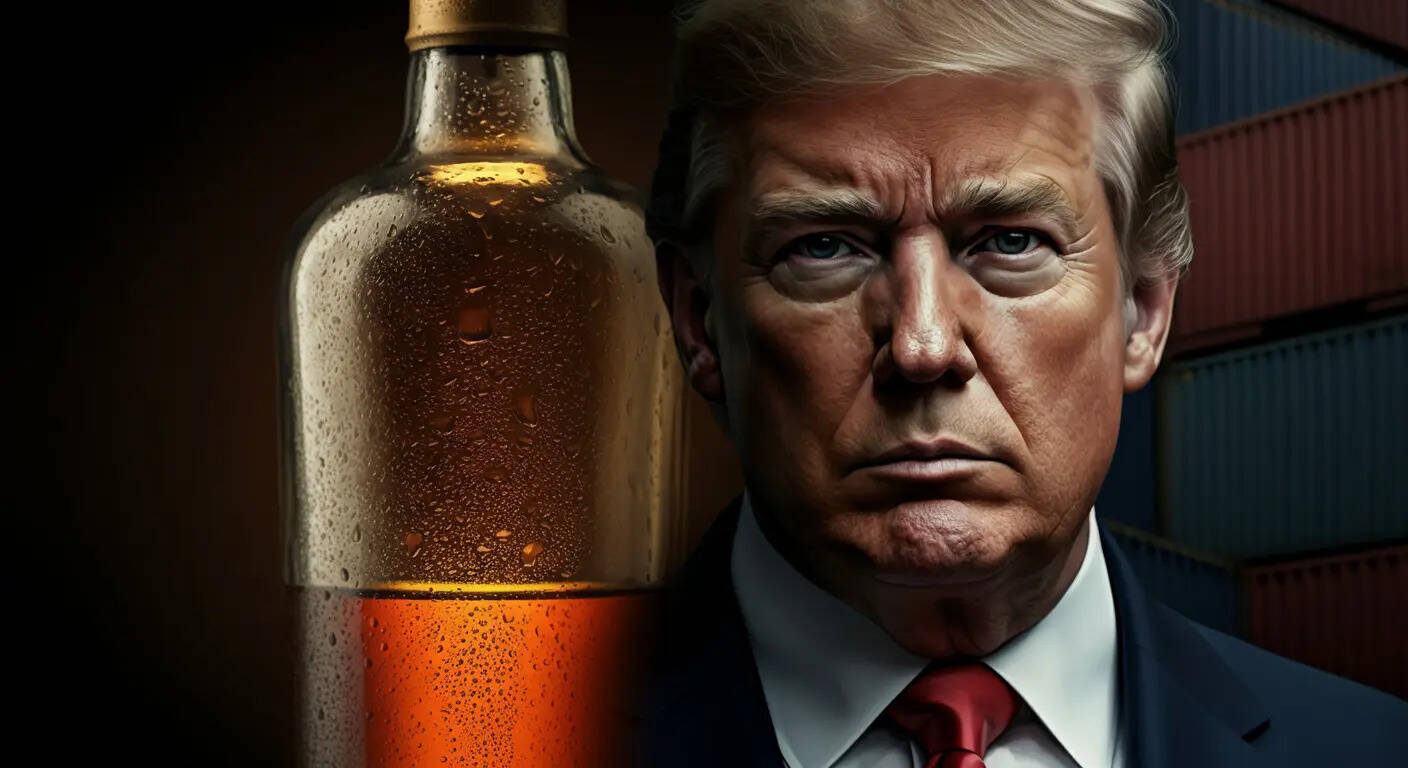
Trump lifts whiskey tariffs: Scotland–Kentucky trade eased after royal couple's US visit
Coveragetap to expand ▾Spectrum: Center Only🌍Other: 4 · Asia: 1
- President Trump lifted tariffs on whiskey and bourbon, which were initially imposed to protect American industries (per Lexington Herald Leader, WHAS11).
- The decision to lift the tariffs followed a royal visit to Scotland, highlighting the influence of diplomatic relations (per KATU).
- The tariffs had previously affected the whiskey trade between Kentucky and Scotland, impacting international business (per WHAS11).
- The move is expected to benefit both Kentucky's bourbon industry and Scotland's whiskey producers by easing trade restrictions (per Lexington Herald Leader, KATU).
- The lifting of tariffs is seen as a gesture to improve economic ties and support the spirits industry in both regions (per WHAS11).
- The tariffs had been a point of contention, affecting the export and import balance between the United States and Scotland (per Lexington Herald Leader).
President Donald Trump has lifted tariffs on whiskey and bourbon, a move that follows a recent royal visit to Scotland. This decision is aimed at bolstering international business ties between Kentucky and Scotland, two regions renowned for their whiskey and bourbon production.
The tariffs, initially imposed to protect American industries, had strained trade relations and impacted the spirits industry on both sides of the Atlantic. The royal visit to Scotland appears to have played a pivotal role in this policy shift.
Sources indicate that the presence of the king during the visit underscored the importance of diplomatic and economic relations, prompting the Trump administration to reconsider the tariffs. This gesture is expected to benefit both Kentucky's bourbon producers and Scotland's whiskey industry by easing trade restrictions and fostering economic collaboration.
The tariffs had been a contentious issue, affecting the export and import dynamics between the United States and Scotland. By removing these barriers, the Trump administration aims to support the spirits industry, which is a significant economic driver in both regions.
The decision has been welcomed by industry stakeholders who anticipate a revitalization of trade and increased market opportunities. While the lifting of tariffs is seen as a positive step towards strengthening economic ties, it also highlights the influence of diplomatic engagements in shaping trade policies.
The king's visit served as a catalyst for this change, demonstrating the impact of high-level interactions on international trade decisions. The move aligns with President Trump's broader strategy of fostering international business relations and supporting American industries.
By addressing the concerns of the spirits industry, the administration seeks to enhance economic growth and competitiveness in the global market. As the tariffs are lifted, both Kentucky and Scotland are poised to benefit from increased trade and collaboration.
The decision marks a significant development in the ongoing efforts to improve economic ties and support key industries in both regions.
- The lifting of tariffs directly benefits Kentucky's bourbon industry and Scotland's whiskey producers by removing trade barriers, potentially increasing exports and market access.
- The decision underscores the influence of diplomatic relations, as the king's visit to Scotland played a crucial role in prompting the policy change.
- The move is expected to enhance economic ties between the United States and Scotland, supporting job growth and industry competitiveness in both regions.
- Whether Kentucky's bourbon exports increase following the tariff removal.
- The impact of the tariff removal on Scotland's whiskey industry and its export figures.
- Any further diplomatic engagements between the United States and Scotland that may influence trade policies.
- Lexington Herald Leader emphasizes the economic benefits for Kentucky, while KATU highlights the diplomatic influence of the royal visit.
- No source mentions the specific economic impact of the tariffs prior to their removal, such as lost revenue or market share for the spirits industry.
- The broader geopolitical context of US-UK trade relations is not addressed in the sources.