
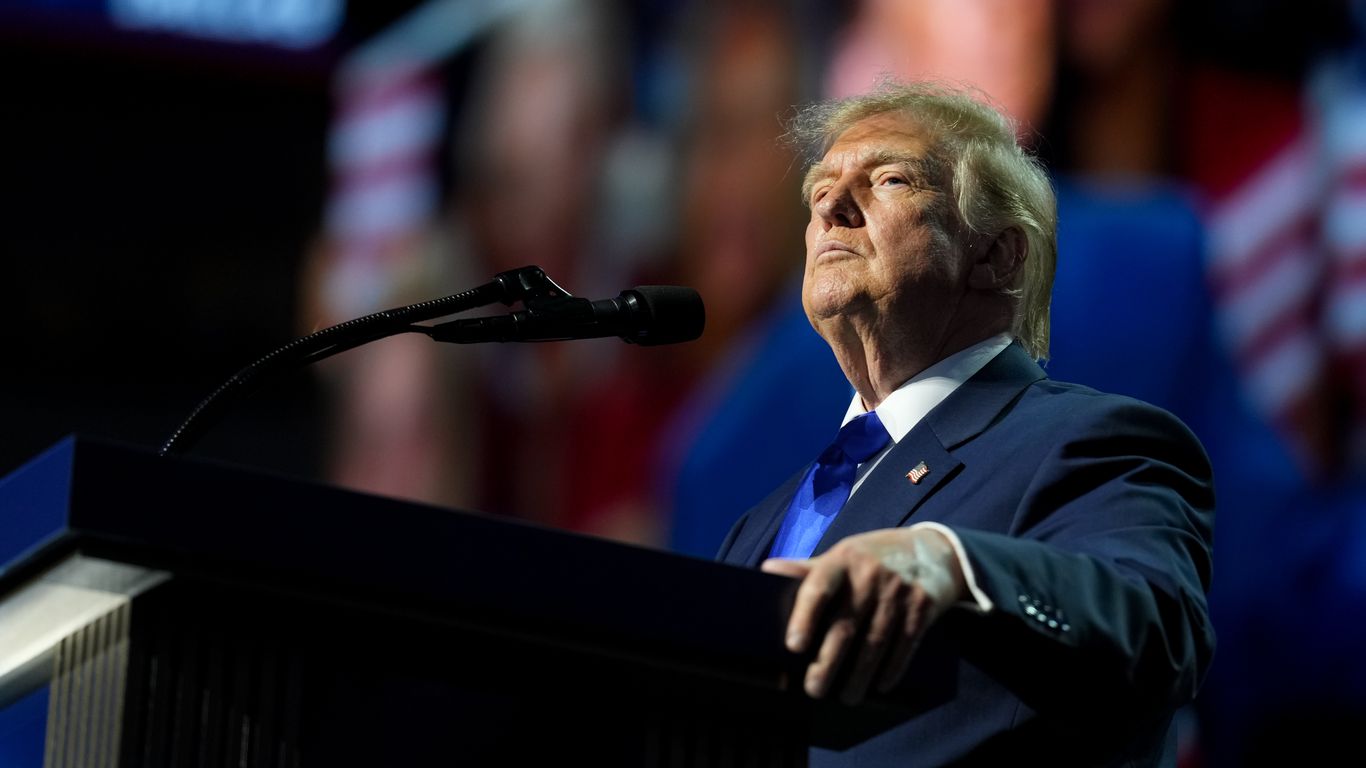
Trump says he has ‘no regrets’ about Iran war, urges self-questioning ahead of midterms
Coveragetap to expand ▾Spectrum: Center Only🌍Other: 1
- Trump Says He Has No Regrets Over Iran War as Fuel Prices Soar Ahead of Midterms - ABNA English
Donald Trump publicly defended his posture on the Iran war while acknowledging some personal second-guessing, saying 'You can always question yourself a little bit' but asserting he had no regrets.
The remark, carried in coverage that tied it to surging fuel prices, was positioned by supporters as a firm stance and by critics as politically risky ahead of midterm elections (per news.google.com).
Trump’s comment arrived amid reporting that gasoline costs rose as the conflict affected energy markets; the coverage linked those price moves to the electoral calendar and framed the president’s line as both political messaging and personal reflection (per news.google.com).
The article portrayed Trump’s stance as an attempt to shift blame for economic pain away from his administration while acknowledging voters’ pocketbook concerns; it did not provide independent confirmation tying any single policy decision to the exact fuel-price moves cited (per news.google.com).
Sources in the piece emphasized the political timing — that debates over war and energy tend to intensify before midterms — and used the fuel-price angle to explain why the quote mattered politically rather than historically (per news.google.com).
The reporting did not supply new operational details about military actions in or around Iran, nor did it present casualty figures or specific policy reversals connected to Trump’s remark (per news.google.com).
- U.S. voters facing higher gasoline costs bear the concrete cost — rising pump prices reduce household discretionary income and were highlighted as a midterm liability in the article (per news.google.com).
- Donald Trump benefits politically from defending the war posture by signaling decisiveness to supporters, according to the coverage framing (per news.google.com).
- Republican strategists risk electoral blowback tied to energy prices, a mechanism the report links directly to voter behavior in swing districts ahead of the midterms (per news.google.com).
- Whether fuel prices at the pump fall below recent levels within the next 30 days, a concrete economic threshold reporters cited as politically important (per news.google.com).
- Whether Trump reiterates his 'no regrets' stance at any campaign events or debates before the midterm elections, a repeated political action spelled out in coverage (per news.google.com).
- Whether media outlets or opponents publish detailed analyses linking specific wartime decisions to energy-market moves before Election Day, as the article flagged that linkage as central to voter concerns (per news.google.com).
- The single source framed Trump's comment primarily as political messaging tied to fuel prices and midterms; no alternative framing was presented (per news.google.com).
- No source in this pack disputed the factual content of Trump's quote, but the causal link between specific wartime choices and immediate fuel-price moves remained unverified in the article (per news.google.com).
- No source mentioned operational details of any military strikes or named the triggering actions that preceded public debate about the Iran war; those prior actions were omitted (per news.google.com).
- The article did not include casualty figures or humanitarian impacts from military actions in the region (per news.google.com).
- The piece did not cite any official energy-market analyses tying particular policy decisions to the exact fuel-price changes (per news.google.com).
- No source referenced international legal or accountability processes related to the war in Iran (per news.google.com).
- The source linked rising fuel prices to political risk but did not provide specific price figures or percentages (per news.google.com).
- The article suggested a link from wartime developments to fuel prices to political consequences but did not document which military actions specifically triggered the price moves (per news.google.com).
- The source attributed the quote and the political framing to Donald Trump and to media coverage tying the remark to fuel prices; no other actors were attributed responsibility for the economic effects (per news.google.com).