
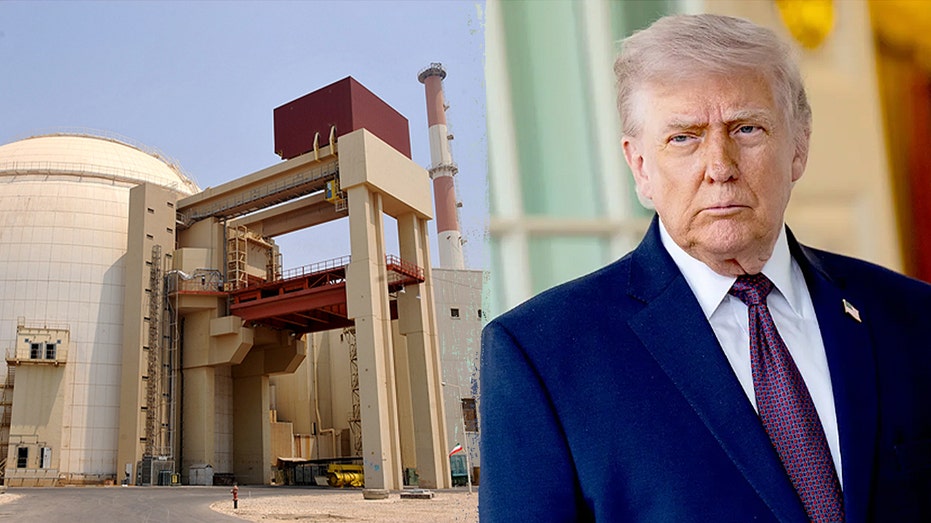
Trump outlines options for disposal of Iran's enriched uranium, with crypto enforcement lurking in the background
Coveragetap to expand ▾Spectrum: Mixed🌍US: 4 · Asia: 1 · Other: 1
- Trump outlined three options for the disposal of Iran's enriched uranium during a press conference on October 20, 2023.
- He stated that there is no urgency for a new deal regarding Iran's nuclear program, indicating that negotiations could take time.
- The U.S. blockade on Iran will remain in effect until further notice, according to Trump's remarks.
- Criticism of Trump's administration's handling of Iran's nuclear issue has intensified, with several lawmakers expressing concerns over the lack of a clear strategy.
- The backdrop to these discussions includes the U.S. withdrawal from the Joint Comprehensive Plan of Action (JCPOA) in May 2018, which aimed to limit Iran's nuclear capabilities.
In a recent address, President Donald Trump outlined potential options for the disposal of Iran's enriched uranium, a critical component of its nuclear program. He emphasized that there is no immediate rush to finalize a deal with Iran, indicating a strategic pause in negotiations while maintaining the US blockade against the country.
This stance has drawn increasing criticism from various political factions within the United States, who argue that a more proactive approach is necessary to address Iran's nuclear program.
Trump's administration is also exploring innovative enforcement mechanisms, including the use of cryptocurrency, to ensure compliance with any future agreements regarding Iran's nuclear materials. The backdrop of these discussions is the ongoing military conflict involving Iran, which has been exacerbated by recent US and Israeli military actions.
As the situation evolves, the implications of Trump's proposals could significantly impact both regional stability and diplomatic relations with Iran.
- Trump's outline for the disposal of Iran's enriched uranium underscores a critical juncture in U.S.-Iran relations, particularly as the ongoing blockade continues to impact Iran's economy and its citizens' access to essential goods.
- By signaling that there is no urgency for a deal, the Trump administration risks prolonging economic hardship for ordinary Iranians, who are already grappling with inflation and shortages exacerbated by sanctions.
- Additionally, the lack of a diplomatic resolution could further entrench hardline factions within Iran, potentially destabilizing the region and complicating future negotiations.
- Watch for the Biden administration's response to Trump's outlined options, expected within the next 72 hours, as they may clarify the US's stance on Iran's nuclear program.
- Monitor the actions of the International Atomic Energy Agency (IAEA), which is likely to release a report on Iran's uranium stockpile by the end of the month, potentially influencing diplomatic negotiations.
- Keep an eye on Congressional hearings scheduled for next week, where lawmakers will discuss the implications of Trump's proposals and the ongoing US blockade against Iran.
- Anticipate statements from Iranian officials in the coming days, as they may outline their position on the proposed disposal options and the US blockade.
- Look for developments in cryptocurrency regulations from the Treasury Department, which may be announced before the next quarterly earnings reports, as enforcement actions could impact the geopolitical landscape.
Left- and right-leaning outlets are covering this story differently — in which facts to emphasize, which context to include, and how to frame causes and consequences.