
Iran tightens Strait of Hormuz restrictions, Revolutionary Guards target 10 vessels to pressure Trump before US midterms
Topic: defense & securityRegion: North AmericaUpdated: i3 outletsSources: 6Spectrum: Mostly Left⏱ 3 min read📡 Wire pickup
Story Summary
SITUATION
After the United States sank five Iranian oil tankers, Iran said it attacked 10 ships near the Strait of Hormuz; President Donald Trump said he expects the war with Iran to end immediately after the November U.S. midterm elections.
Coveragetap to expand ▾Spectrum: Mostly Left🌍Asia: 2 · Other: 1
Political Spectrum
Position is inferred from coverage mix.
i3 outlets · Center
Left
Center
Right
Left: 2
Center: 1
Right: 0
Geography Coverage
Distribution of where coverage is coming from.
i3 unique outlets · Dominant: Asia
KEY FACTS
- Iran has tightened restrictions on shipping through the Strait of Hormuz and expanded a prohibited zone in the waterway.
- The Revolutionary Guards said they targeted 10 vessels attempting to cross the restricted area.
- Tehran hopes higher energy prices and disruption of the Strait of Hormuz will increase political costs for President Donald Trump ahead of the November 3 midterms.
- More than six months after the conflict began on February 28 with US-Israeli attacks, Iran has taken a more confrontational approach rather than moving toward diplomacy.
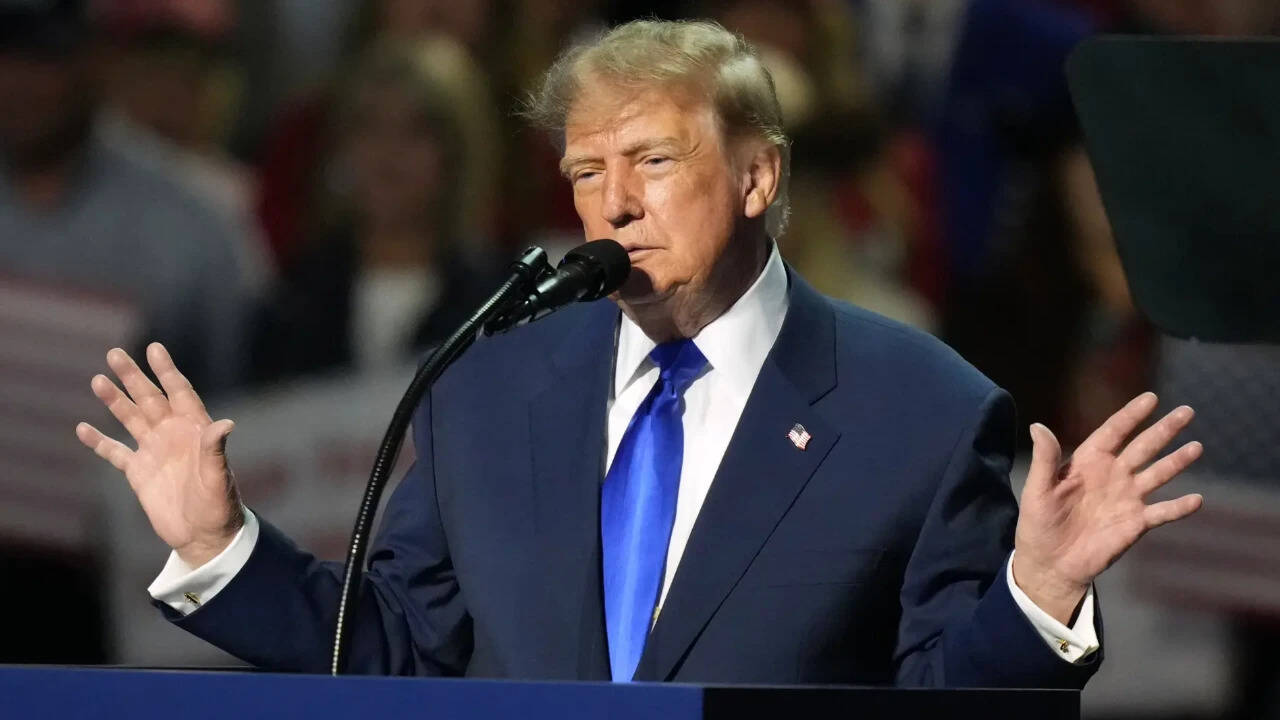
- President Donald Trump said: "I think the war will end immediately after the election" because Iran "can't hold out any longer".
- Sanam Vakil, director of the Middle East and North Africa programme at Chatham House, said Iran "is trying to convert escalation into increased leverage".
- Trump Predicts Iran War Will End After 2026 Midterm Elections - NTD News
HISTORICAL CONTEXT
The immediate backdrop is the active March 2026 US–Israel military campaign against Iran, a coordinated series of strikes on Iranian power plants, air defenses and military infrastructure that followed months of escalating clashes in the region; Iranian military actions throughout 2026 have been responses to that campaign.
Those strikes were launched after a period of intensified Iranian attacks on regional shipping lanes and stepped-up proxy operations in 2025–early 2026 that Western and Israeli officials cited as prompting kinetic countermeasures.
Brief
Iranian forces said they attacked 10 ships near the Strait of Hormuz after U.S. forces sank five Iranian oil tankers, marking what scmp.com described as the largest wave of attacks on shipping since the war began six months ago.
The spike in maritime strikes has coincided with President Donald Trump publicly predicting that the war with Iran will end immediately after the November U.S. midterm elections; several outlets led their coverage with Trump’s timeline while scmp.com emphasized the shipping attacks and rising oil prices.
Tehran’s claim that it struck 10 vessels is presented as a direct response in scmp.com’s report; that outlet also said the strikes have pushed Brent crude above US$100 a barrel.
Trump, according to scmp.com and aggregated reports on news.google.com and The Times of Israel, threatened again to attack a site tied to Iran’s nuclear programme while accusing Tehran of trying to influence the November congressional elections.
Reporting across the pack is limited on independent verification of the ship attacks and on casualty or damage details; the outlets in this set relay official statements and market reactions rather than on-scene confirmation.
The immediate consequences are economic and political: maritime insurance and oil markets have reacted, and Trump’s declaration tying an end to hostilities to the U.S. electoral calendar reframes the conflict’s timeline as a domestic political issue as much as a military one.
Sources
6 of 6 linked articles
Iran tightens Strait of Hormuz restrictions, Revolutionary Guards target 10 vessels to pressure Trump before US midterms
timesofindia.indiatimes.comSep 10Left
↗
Trump Predicts Iran War Will End After 2026 Midterm Elections
ntd.comSep 9Left
↗
Trump says Iran war will end right after U.S. midterm elections
reuters.comSep 9Left
↗
Trump ties end of Iran war to US midterms after Iran attacks 10 ships near Strait of Hormuz
scmp.comSep 9Center
↗
Trump says Iran war will end right after US midterm elections in November
timesofisrael.comSep 9Left
↗
Trump predicts Iran war to end ‘immediately’ after US midterm elections
english.alarabiya.netSep 9Left
↗