
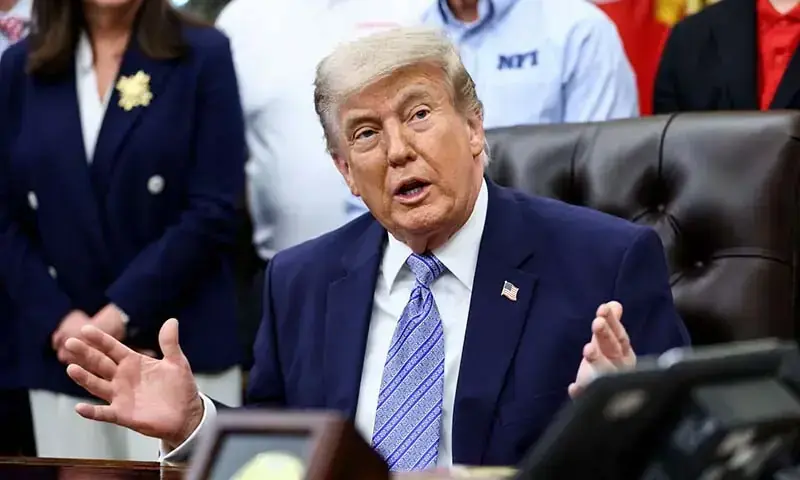
Trump Proposes Major Iran Deal to Reopen Strait of Hormuz Amid Ongoing War
Coveragetap to expand ▾Spectrum: Center Only🌍ME: 2 · US: 1 · Asia: 1 · Other: 1
- Vice President JD Vance could sign for the United States, Trump added.
- WASHINGTON / TEHRAN: US President Donald Trump on Thursday said the United States and Iran could sign a peace deal as soon as this weekend that would reopen shipping traffic through the Strait of Hormuz.
- Iran’s semi-official Fars news agency reported that Tehran is likely to approve the agreement, though it has yet to give a formal response.
- However, Iran’s foreign ministry spokesperson said matters related to an agreement are speculation and nothing has been finalised, according to Iran’s state-run IRNA news agency.
- “The strait will officially open as soon as we sign, which could be soon, very soon, maybe over the weekend in Europe,” he said.
In a significant diplomatic move, US President Donald Trump announced that a peace deal with Iran could be signed as soon as this weekend, potentially reopening the vital Strait of Hormuz for shipping traffic.
This agreement, if finalized, would represent a major breakthrough in the ongoing war that has already resulted in thousands of casualties and sharply increased global energy prices.
Trump emphasized the importance of the deal, stating, 'We just made a great settlement of the war with Iran.' While Iran's semi-official Fars news agency suggested that Tehran is likely to approve the agreement, the Iranian foreign ministry spokesperson cautioned that discussions remain speculative and no formal response has been issued yet.
The potential signing could involve Vice President JD Vance representing the United States, highlighting the administration's commitment to resolving the conflict. The backdrop of this announcement is a three-month-old war that has escalated tensions in the region, prompting urgent calls for a resolution.
As the situation develops, many governments is closely monitoring the responses from both Washington and Tehran, particularly regarding the implications for energy markets and regional stability.