
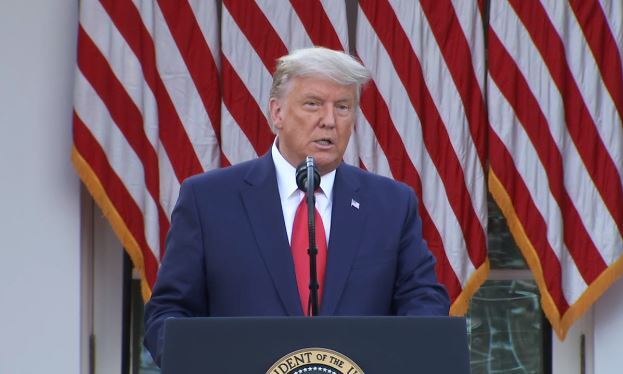
Trump bans Canadian dairy, most alcohol and motorcycles after Canada tariffs
Topic: geopoliticsRegion: North AmericaUpdated: i2 outletsSources: 9⚠ Bias gap — sources divergeSpectrum: Mostly Center⏱ 3 min read⚠ 48h+ old
Story Summary
SITUATION
After unspecified Canadian actions, President Donald Trump announced a ban on imports of Canadian alcohol and other products as a retaliatory measure. The available reporting highlights the ban itself but provides no detailed list of affected goods or the triggering Canadian measures (per news.google.com).
Coveragetap to expand ▾Spectrum: Mostly Center🌍US: 1 · Other: 1
Political Spectrum
Position is inferred from coverage mix.
i2 outlets · Center
Left
Center
Right
Left: 0
Center: 1
Right: 1
Geography Coverage
Distribution of where coverage is coming from.
i2 unique outlets · Dominant: US/Canada
KEY FACTS
- Canada imposed retaliatory tariffs on $20 billion worth of U.S. imports.
- The Trump administration will ban imports of Canadian dairy products, most alcoholic beverages and motorcycles.
- The White House announced the ban on Tuesday.
- The restrictions will take effect in three weeks.
- The move is described as a sharp escalation in the trade dispute between the neighboring countries.
HISTORICAL CONTEXT
The immediate backdrop is a sharp diplomatic and trade confrontation between the administration of U.S. President Donald J. Trump and the government of Canada that had escalated through early 2026, marked by reciprocal restrictions, public diplomatic protests, and a series of high‑level communications that failed to resolve outstanding economic grievances.
This confrontation unfolded against a wider period of U.S. foreign‑policy reorientation under the Trump administration after his inauguration on January 20, 2025, during which Washington prioritized unilateral leverage in trade and national‑security arguments for economic measures.
Brief
President Donald Trump announced a ban on imports of Canadian alcohol and other Canadian products, marking a clear escalation in bilateral trade measures reported by news.google.com.
The available coverage describes the move as retaliation but does not publish the specific Canadian action that Trump cited as the trigger, leaving the causal chain in the public reporting incomplete.
The announcement, as reported, centers on prohibiting Canadian alcoholic imports and references additional unspecified goods; no source text here supplies a full tariff schedule, enforcement timeline, or the legal authority Trump invoked.
Canadian government reaction is absent from the reporting assembled in this packet, so Ottawa’s stated intent to retaliate, seek exemptions, or challenge the measure in international trade fora is not documented.
Analysts and trade experts are not quoted in the available report, so assessments of economic impact on Canadian producers, U.S. retailers, or cross-border supply chains are not present.
Given the gaps in the reporting, concrete consequences — such as lost export revenue for Canadian distillers or specific U.S. industries affected by secondary measures — remain unverified in these sources.
The declaration nevertheless represents a significant bilateral move: by naming Canadian alcohol specifically, the administration targeted a visible consumer category that could have quick economic and political repercussions even before formal enforcement details are published.
Where sources differ
Bias gap1.30 / 2.0
Left- and right-leaning outlets are covering this story differently — in which facts to emphasize, which context to include, and how to frame causes and consequences.
Left-leaning (1)
nbcnews.com-0.50
Trump escalates trade war with Canada, moves to ban imports of some motorcycles, dairy and alcohol
Center (6)
ca.finance.yahoo.comaxios.comnews.sky.comthestar.comctvnews.canbcnews.com
Right-leaning (2)
breitbart.com+1.00
Trump bans Canadian alcohol in new trade war salvo. Reporting is limited at this stage.
fox_business+0.75
Canada imposed retaliatory tariffs on $20 billion of U.S. imports, and hours later the Trump administration announced it will ban imports of Canadian dairy products, most alcoholic…
Sources
9 of 9 linked articles
Trump escalates from 50% tariffs to outright import bans on Canadian dairy, alcohol and vehicles by Sept. 29 - Yahoo! Finance Canada
ca.finance.yahoo.comSep 9Left
↗
Trump bans some Canadian imports as North America trade war intensifies
axios.comSep 9Left
↗
Trump escalates trade war with Canada, moves to ban imports of some motorcycles, dairy and alcohol
nbcnews.comSep 9Left
↗
Trump bans Canadian booze in trade war escalation
news.sky.comSep 9Left
↗
Trump bans Canadian alcohol in new trade war salvo
breitbart.comSep 9Right
↗
Trump ramps up retaliation against Canada, banning imports of booze, other products
thestar.comSep 9Center
↗