
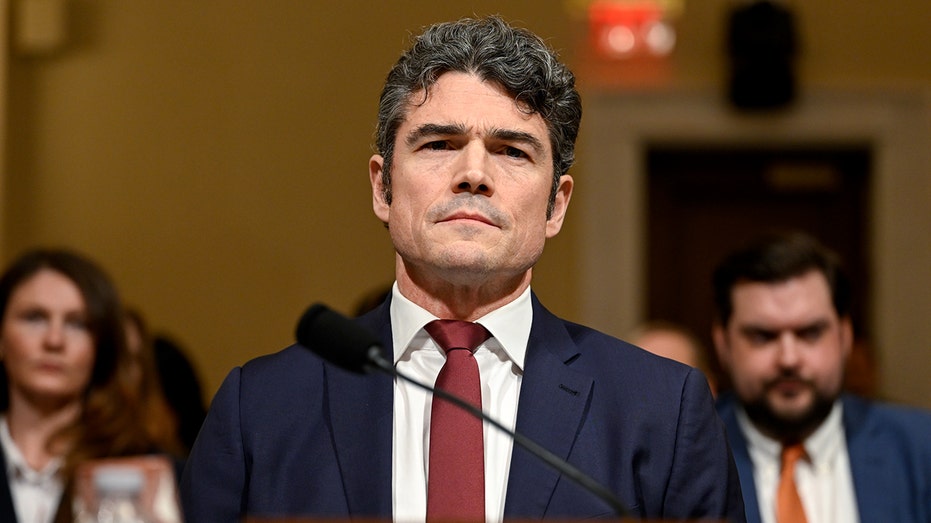
US intel community agreed before war 'Iran wasn't developing a nuclear weapon': ex-counterterrorism chief
Coveragetap to expand ▾Spectrum: Mostly Center🌍US: 6 · Other: 4 · Europe: 1 · ME: 1
- Trump is not getting what he initially wanted from the Iran war
- Trump claims Iran has agreed to not have nuclear weapons
- Trump Says Iran Has Agreed to Not Have Nuclear Weapons
- Iran Agrees To Not Have Nuclear Weapons, Claims Trump; Signals Deal Could Be Done Soon - NDTV Profit
- Trump Says Iran Agreed Not to Have Nuclear Weapons - 77 WABC
In a significant development, Donald Trump has announced that Iran has agreed not to pursue nuclear weapons. This claim, made by Trump, suggests a potential breakthrough in the ongoing tensions surrounding Iran's nuclear program. Trump further indicated that a formal agreement could be finalized in the near future, signaling a possible shift in the geopolitical landscape.
The announcement comes amid heightened scrutiny of Iran's nuclear program, which have been a focal point of international diplomacy and conflict. Trump's statement did not provide specific details about the terms of the agreement or the mechanisms that would ensure compliance by Iran.
The lack of concrete details leaves questions about the verification and enforcement of such an agreement. Iran's nuclear program has long been a contentious issue, with various international actors expressing concern over the potential for nuclear proliferation in the region.
The United States, under Trump's leadership, has taken a firm stance against Iran's nuclear capabilities, seeking to curtail its development through diplomatic and, at times, military means.
While Trump's announcement suggests a positive development, the absence of corroborating statements from Iranian officials or other international bodies leaves room for skepticism. many governments will likely await further confirmation and details to assess the viability and impact of this purported agreement.
The potential agreement could have significant implications for regional stability and international relations, particularly in the context of the ongoing conflict involving the United States and Iran. The resolution of nuclear tensions could pave the way for broader diplomatic engagement and a reduction in hostilities.
As the situation develops, observers will be keen to see how this announcement influences the broader geopolitical dynamics and whether it leads to tangible changes in the relationship between Iran and the United States.
Left- and right-leaning outlets are covering this story differently — in which facts to emphasize, which context to include, and how to frame causes and consequences.