
Trump Rejects Iran's Proposal, Demands More from Negotiations
Coveragetap to expand ▾Spectrum: Center Only🌍Other: 4 · Asia: 3 · US: 2 · Europe: 2
- The U.S. has been engaged in military strikes against Iran since early March 2026 (per news.google.com).
- The ongoing conflict has heightened diplomatic tensions between the U.S. and Iran, complicating potential negotiations (per news.google.com).
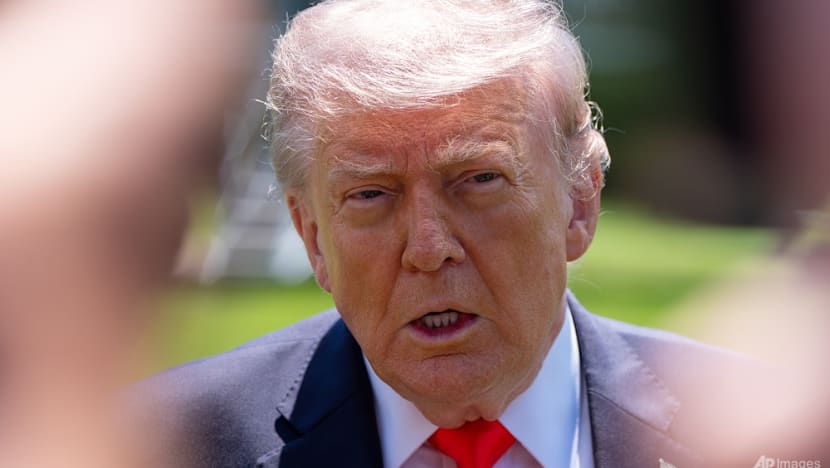
In a recent statement, President Donald Trump expressed his dissatisfaction with Iran's new proposal, stating he is 'not satisfied with what they're offering.' This remark underscores the ongoing tensions between the U.S. and Iran, particularly as military actions in the region have intensified since early March 2026, when the U.S. and Israel launched coordinated strikes against Iranian targets.
Trump's comments reflect a hardline approach to negotiations, suggesting that the U.S. is seeking more substantial concessions from Iran amid the backdrop of military conflict. The Iranian government has been under pressure due to these military actions, which have complicated the diplomatic landscape and made negotiations more challenging.
As the conflict continues, the potential for a diplomatic resolution appears increasingly distant, with both sides entrenched in their positions. The U.S. administration's stance indicates a preference for a tougher approach, which may further escalate tensions in the region and hinder any prospects for dialogue.
The situation remains fluid, with the implications of Trump's comments likely to reverberate through ongoing discussions about Iran's nuclear program and regional influence.
- Iran's government faces increased pressure from U.S. military actions, complicating its negotiation position (per news.google.com).
- Trump's rejection of Iran's proposal may lead to further military escalation, impacting civilians in the region (per news.google.com).
- The U.S. seeks more substantial concessions from Iran, which could affect the future of diplomatic relations (per news.google.com).
- Whether Trump issues further statements regarding Iran's proposal in the coming days.
- Any new military actions taken by the U.S. or Israel against Iranian targets following Trump's comments.
- Developments in Iran's response to U.S. demands for more substantial negotiations.
- {"framing":[],"numbers":[],"causality":[],"attribution":[],"omitted_context":[],"disputed_or_unclear":[],"notable_quotes_or_claims":[]}