
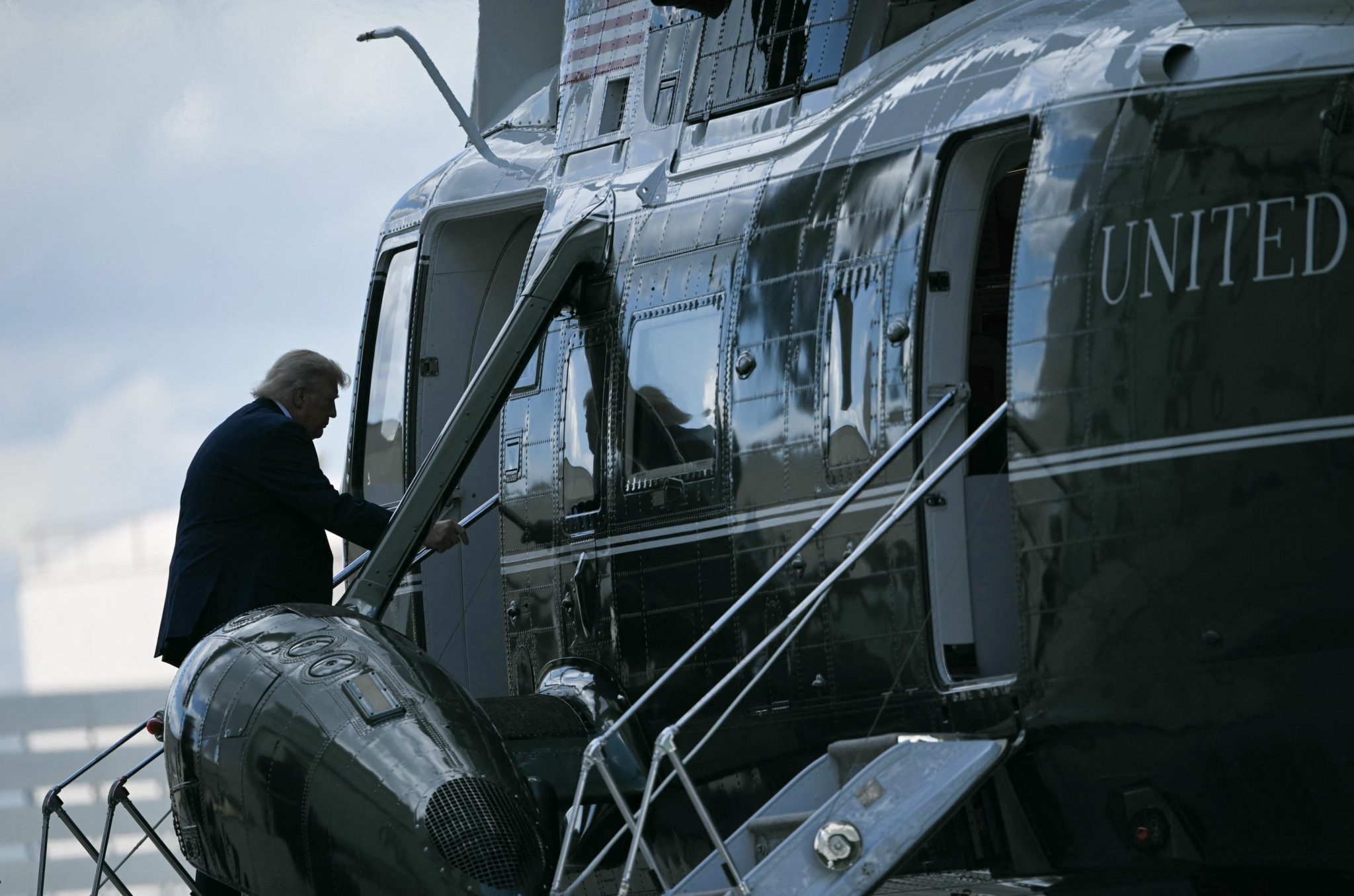
stock futures fell and oil prices rose after peace talks between the U.S.
Topic: energyRegion: north americaUpdated: i3 outletsSources: 6⚠ Bias gap — sources divergeSpectrum: Mostly CenterFiltered: Asia (1/6)· Clear⏱ 4 min read
Story Summary
SITUATION
During U.S.-Iran talks, President Donald Trump threatened to take military control of the Strait of Hormuz if negotiations fail, stating, 'You close it and you won’t have a country.' This threat comes as U.S. stock futures fell and oil prices surged, reflecting market concerns over the escalating tensions (per fortune.com, washingtonexaminer.com).
Coveragetap to expand ▾Spectrum: Mostly Center🌍Other: 4 · US: 1 · Asia: 1
Political Spectrum
Position is inferred from coverage mix.
i3 outlets · Center
Left
Center
Right
Left: 1
Center: 4
Right: 1
Geography Coverage
Distribution of where coverage is coming from.
i3 unique outlets · Dominant: Global
KEY FACTS
- Dow futures drop as first day of U.S.-Iran talks sees Trump threaten Tehran on Hormuz: ‘You close it and you won’t have a country’
- Futures tied to the Dow Jones industrial average fell 156 points, or 0.30%.
- Earlier in Switzerland, Vice President JD Vance said both sides had already made “great progress” in talks, saying the U.S.
HISTORICAL CONTEXT
The ongoing conflict between the United States and Iran has escalated significantly since March 2026, when the U.S. and Israel initiated coordinated military strikes against Iranian military infrastructure, including power plants and air defenses.
This military campaign was a direct response to Iran's perceived threats to regional stability and its support for proxy groups in the Middle East. In the months that followed, Iran retaliated with missile strikes aimed at U.S. military bases and allies in the region, further intensifying the conflict.
Brief
In a significant escalation of rhetoric during U.S.-Iran negotiations, President Donald Trump threatened to take military control of the Strait of Hormuz, asserting that Iran would face dire consequences if it attempted to close the vital waterway.
Trump's comments, made during talks in Switzerland, included a stark warning: 'You close it and you won’t have a country.' This threat coincided with a drop in U.S. stock futures and a rise in oil prices, indicating market anxiety over the potential for renewed conflict. Vice President J.D.
Vance, present at the talks, claimed that both sides had made 'great progress,' yet the atmosphere was marred by Trump's aggressive stance. Meanwhile, Senator Lindsey Graham echoed Trump's sentiments, suggesting that military action would be the next step if diplomatic efforts fail.
The situation has been further complicated by Iran's decision to suspend dialogue, which raises questions about the future of the negotiations. As tensions mount, the U.S. has indicated plans to impose tolls and claim a percentage of the oil flowing through the Strait if an agreement is not reached, highlighting the stakes involved in this critical geopolitical flashpoint.
Where sources differ
Bias gap0.50 / 2.0
Left- and right-leaning outlets are covering this story differently — in which facts to emphasize, which context to include, and how to frame causes and consequences.
Left-leaning (1)
firstpost.com-0.80
Oil jumps as Iran closes Strait of Hormuz again, casting shadow over US-Iran peace talks - Firstpost Oil jumps as Iran closes Strait of Hormuz again, casting shadow over US-Iran pe…
Center (4)
fortune_businessinvesting.comnews.futunn.comstocktwits.com
Right-leaning (1)
washington_examiner+0.70
“You close it, and you won’t have a country,” the president told Iran. Trump threatens Hormuz takeover to collect tolls and 20% of oil if Iran deal fails President Donald Trump on …
Sources
1 of 6 linked articles · Filter: Asia