
Supreme Court Upholds Counting of Late Mail-in Ballots, Rejects Trump Challenge
Topic: politicsRegion: North AmericaUpdated: i3 outletsSources: 3⚠ Bias gap — sources divergeSpectrum: Mixed⏱ 4 min read📡 Wire pickup
Story Summary
SITUATION
The US Supreme Court upheld a law allowing states to count mail-in ballots arriving after election day, rejecting a challenge from Donald Trump's administration. This decision is viewed as surprising given the court's recent rulings that have altered election processes (per The Guardian).
Coveragetap to expand ▾Spectrum: Mixed🌍US: 2 · Europe: 1
Political Spectrum
Position is inferred from coverage mix.
i3 outlets · Center
Left
Center
Right
Left: 1
Center: 1
Right: 1
Geography Coverage
Distribution of where coverage is coming from.
i3 unique outlets · Dominant: US/Canada
KEY FACTS
- The decision to side against the president and Republican party is seen as a surprise after other supreme court decisions this term have upended election processes.
- Supreme Court rules states can count late-arriving mailed ballots, rejecting Trump-led challenge - AP News
HISTORICAL CONTEXT
The current political climate in the United States is heavily influenced by the contentious debates surrounding voting rights and election integrity, particularly in the wake of the 2020 presidential election.
Following the election, which saw Joe Biden defeat incumbent President Donald Trump, numerous states enacted or attempted to enact legislation aimed at restricting mail-in voting and other voting methods that gained prominence during the COVID-19 pandemic.
Brief
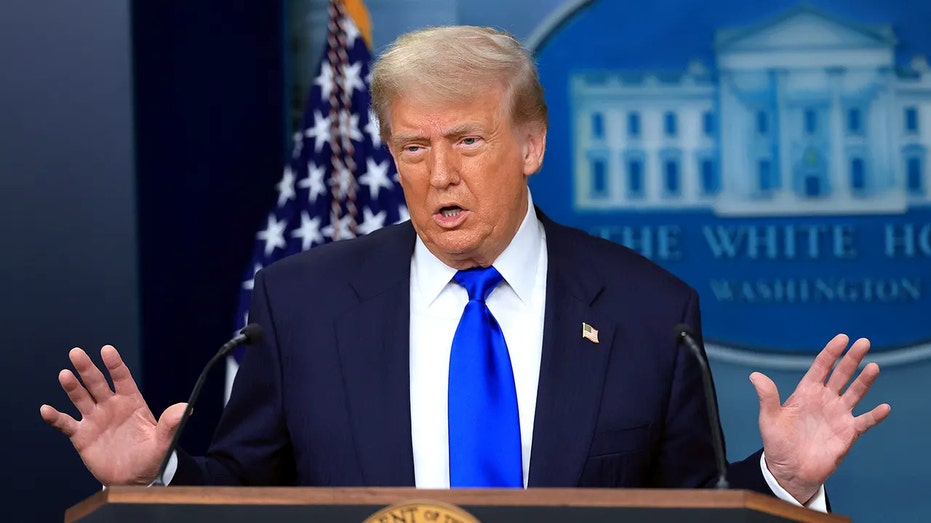
The US Supreme Court has upheld a law that permits states to count mail-in ballots arriving after election day, a decision that has drawn significant attention and criticism from Donald Trump and the Republican National Committee.
This ruling specifically supports a Mississippi law that allows for the counting of late-arriving ballots, marking a notable divergence from the court's recent trend of endorsing stricter election regulations.
Trump's administration had challenged this law, arguing that it could lead to increased voter fraud; however, the court's decision has been framed as a surprising setback for the former president and his allies.
Critics, particularly from conservative circles, have expressed their dismay, especially given that Justice Amy Coney Barrett, appointed by Trump, sided with the court's liberal justices in this ruling. The implications of this decision could influence upcoming elections, as it reinforces the legality of mail-in voting practices that many states have adopted.
As the political landscape continues to evolve, Trump's remarks indicate he will persist in advocating for stricter voting regulations, suggesting that this issue will remain a focal point in the ongoing debate over election integrity.
Where sources differ
Bias gap1.30 / 2.0
Left- and right-leaning outlets are covering this story differently — in which facts to emphasize, which context to include, and how to frame causes and consequences.
Left-leaning (1)
guardian_us-0.50
US supreme court upholds law to count mail-in ballots arriving after election day US supreme court upholds law to count mail-in ballots arriving after election day US supreme court…
Center (1)
apnews.com
Right-leaning (1)
fox_politics+0.80
He criticized the ruling, suggesting it could lead to increased voter fraud. Trump unloads after Supreme Court upholds late mail-in ballots in Mississippi Trump unloads after Supre…
Sources
3 of 3 linked articles
He criticized the ruling, suggesting it could lead to increased voter fraud.
foxnews.comJun 29Right
↗
US supreme court upholds law to count mail-in ballots arriving after election day
theguardian.comJun 29Left
↗
Supreme Court rules states can count late-arriving mailed ballots, rejecting Trump-led challenge
apnews.comJun 29Left
↗