
Trump's Concessions to China Draw Criticism from Congress and Advisors
Topic: politicsRegion: North AmericaUpdated: i2 outletsSources: 3Spectrum: Mostly CenterFiltered: Global (0/3)· Clear⏱ 4 min read
Story Summary
SITUATION
President Trump's recent concessions to China have sparked backlash from Congress and advisors, raising concerns about the potential erosion of U.S. trade leverage and the implications for national security amidst an ongoing trade war that has already strained economic relations.
Coveragetap to expand ▾Spectrum: Mostly Center🌍Asia: 2 · Other: 1
Political Spectrum
Position is inferred from coverage mix.
i2 outlets · Center
Left
Center
Right
Left: 1
Center: 2
Right: 0
Geography Coverage
Distribution of where coverage is coming from.
i2 unique outlets · Dominant: Asia
KEY FACTS
- In July 2018, the Trump administration imposed a 25% tariff on $34 billion worth of Chinese goods.
- The trade war between the United States and China began in 2018, leading to significant tariffs imposed by both countries.
- By 2020, the trade conflict had escalated, resulting in retaliatory tariffs from China on American agricultural products.
- Trump's administration has faced criticism from Congress for perceived concessions to China amid ongoing trade tensions.
- Advisors within Trump's administration have expressed concerns regarding his softer stance on China compared to their hardline approach.
- The trade war has resulted in a significant economic impact, with U.S. tariffs affecting over $500 billion in Chinese goods by 2020.
HISTORICAL CONTEXT
The immediate backdrop to the current political tensions surrounding President Donald Trump's approach to China is the ongoing trade war that began in 2018, which has seen significant tariffs imposed by both the United States and China.
In July 2018, the Trump administration implemented a 25% tariff on $34 billion worth of Chinese goods, citing unfair trade practices and intellectual property theft. This was followed by further tariffs on additional Chinese imports, leading to retaliatory measures from China, including tariffs on American agricultural products.
Brief
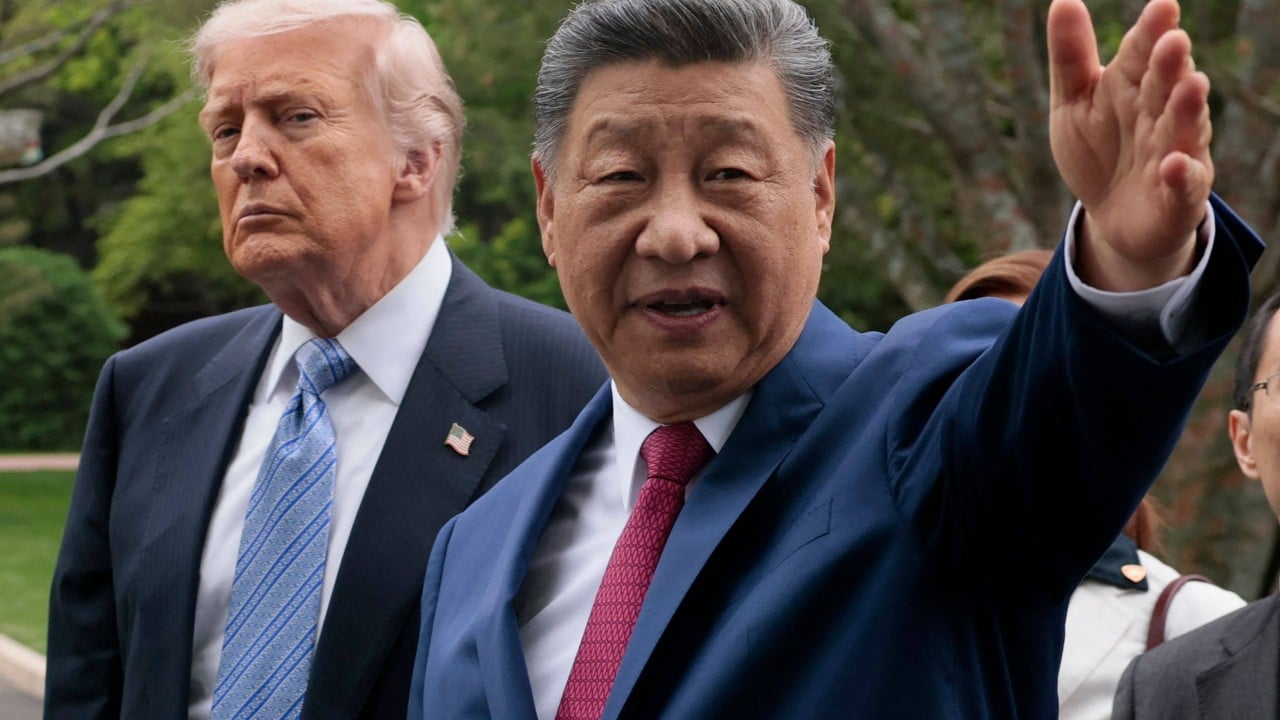
During a recent state visit to China, US President Donald Trump made several concessions that have sparked backlash from both Congress and his own advisors.
Trump endorsed the presence of Chinese students in the United States and supported the acquisition of US farmland by Chinese entities, which has raised alarms among his political base and led to criticism from lawmakers across the aisle. His dismissal of concerns regarding state espionage as a routine aspect of bilateral relations has further fueled discontent.
This softer stance on China marks a significant departure from the hardline approach typically associated with his administration, leading to tensions within his own party. Critics argue that such concessions undermine US national security and could embolden China's assertive policies.
The political climate surrounding US-China relations is increasingly fraught, with many viewing Trump's approach as a potential risk to established US foreign policy. As the backlash grows,
Why it matters
- Trump's concessions to China could undermine the hard-fought gains made by American farmers and manufacturers who have been struggling under the weight of retaliatory tariffs.
- By softening his stance, he risks alienating these key constituencies, who depend on a robust trade policy to maintain their livelihoods.
- Additionally, this shift may embolden China to continue its aggressive trade practices, potentially leading to further economic imbalances that could harm U.S. industries in the long run.
What to watch next
- Watch for a response from Senate Majority Leader Chuck Schumer, who is expected to address the concessions in a press conference within 48 hours, outlining potential legislative actions.
- Anticipate a statement from the U.S. Trade Representative Katherine Tai, who may announce a review of trade policies with China before the upcoming G20 summit in November.
- Look for reactions from key Republican senators, including Marco Rubio, who may introduce a resolution condemning the concessions within the next week.
- Expect a briefing from the National Security Council, scheduled for later this week, where they will discuss the implications of the concessions on U.S.-China relations.
- Monitor statements from major business groups, such as the U.S. Chamber of Commerce, which may release a position paper on the concessions by the end of the month.
Sources
0 of 3 linked articles · Filter: Global