
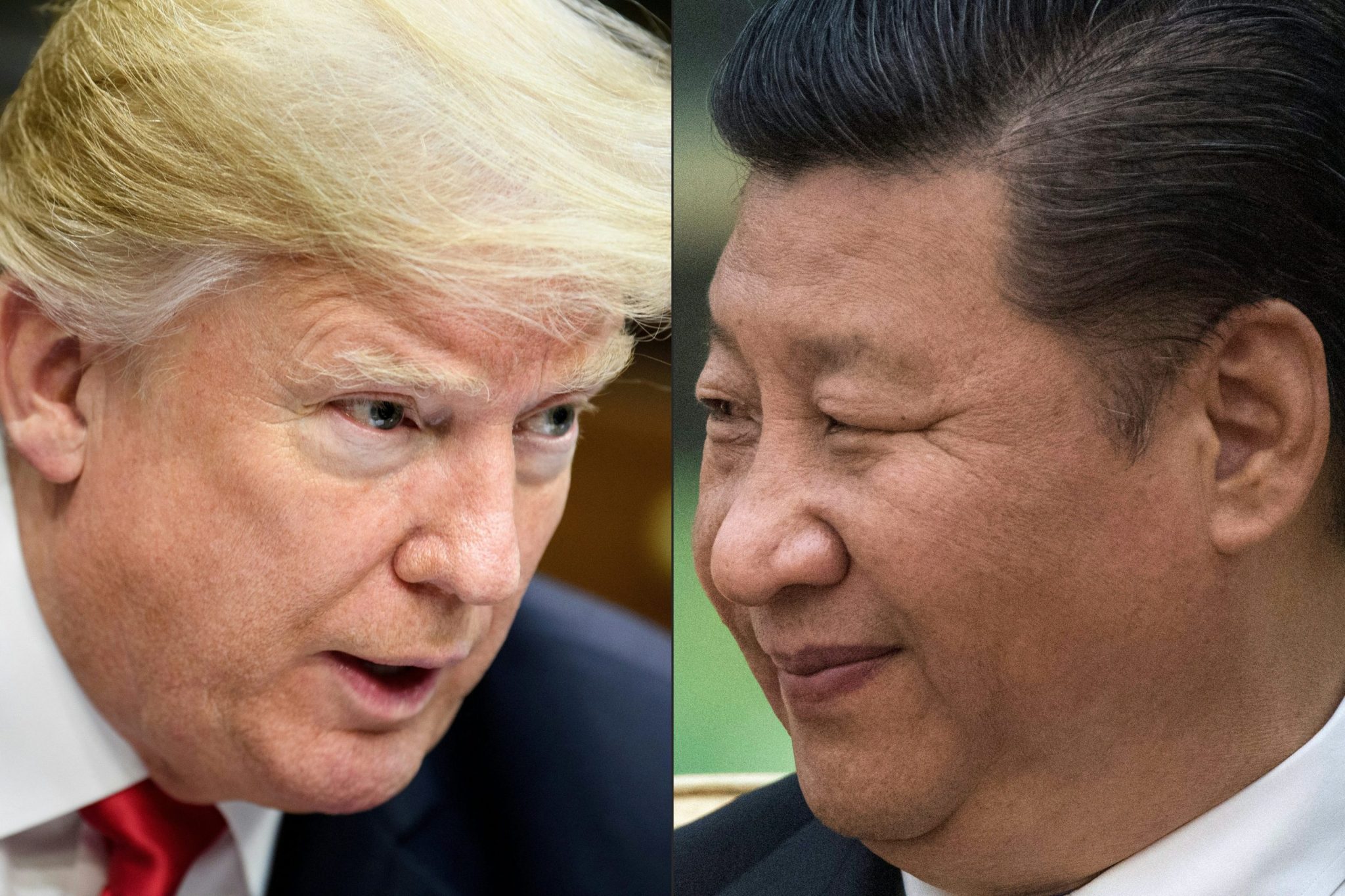
Trump's Upcoming Beijing Visit Faces Challenges from China's Strategic Preparations
Coveragetap to expand ▾Spectrum: Center Only🌍Other: 1
- Air Force One will land in Beijing on May 14 (per Fortune).
- President Trump believes he is flying to Beijing with leverage (per Fortune).
- China has spent six years preparing to counter U.S. leverage (per Fortune).
- China has amassed a 1.4-billion-barrel strategic petroleum reserve (per Fortune).
- China is now deploying its stockpile to assist countries in distress with essential commodities, including oil (per Fortune).
As President Trump prepares for his upcoming visit to Beijing on May 14, he anticipates arriving with significant leverage in negotiations. However, this expectation may be misguided, as China has spent the last six years strategically positioning itself to counter any advantages the U.S. might hope to wield.
The tensions between the two nations have roots in earlier confrontations, notably the arrest of Huawei's CFO, Meng Wanzhou, in December 2018, which marked a significant escalation in U.S.-China relations. In response to U.S. sanctions and restrictions, particularly those targeting its technology sector, China has taken proactive measures to safeguard its economy.
Chairman Xi Jinping has quietly built one of the largest commodity buffers in the world, amassing a strategic petroleum reserve of 1.4 billion barrels. This preparation allows China to mitigate the impact of potential U.S. sanctions and to provide essential commodities to nations in distress, thereby enhancing its influence on the global stage.
While Trump may hope to leverage economic pressure during his visit, China's strategic stockpiling and resource management suggest that it is well-prepared to withstand such tactics. The outcome of this visit could hinge on whether Trump can effectively navigate these complexities and find common ground with a nation that has anticipated his approach for years.
- China's strategic commodity buffer could allow it to withstand U.S. economic pressure, impacting global markets.
- The U.S. technology sanctions against China have led to significant shifts in global supply chains, affecting industries reliant on semiconductors.
- Countries dependent on Chinese commodities may benefit from China's ability to supply essential resources, altering geopolitical alliances.
- Whether President Trump can secure any agreements with China during his visit by May 14.
- Any announcements from China regarding its commodity supply strategy following Trump's visit.
- The potential impact of U.S. sanctions on China's economic policies in the months following the visit.
- {"framing":[],"numbers":[],"causality":[],"attribution":[],"omitted_context":[],"disputed_or_unclear":[],"notable_quotes_or_claims":[]}