
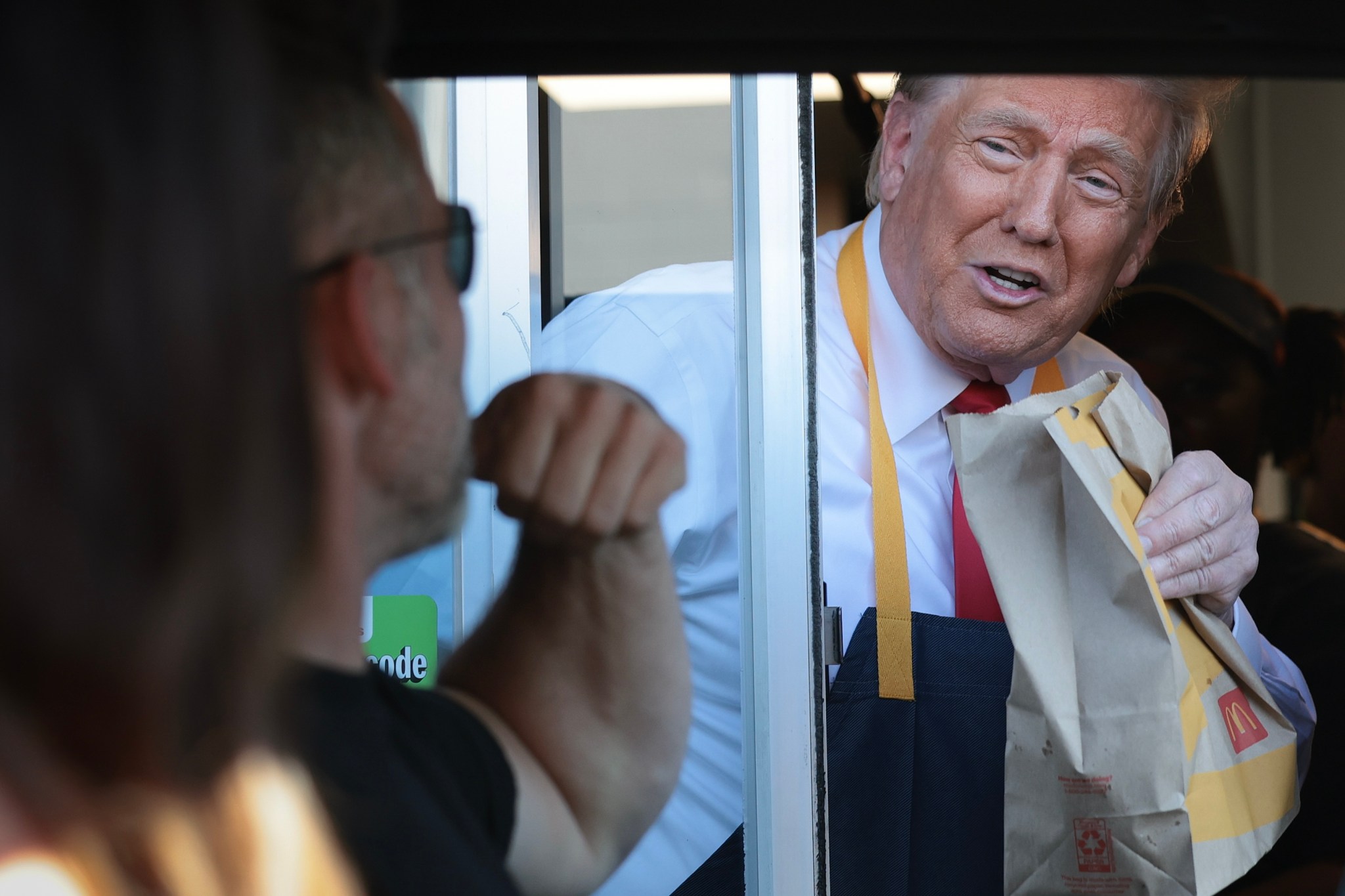
What’s happening is what economists have come to call the K-shaped fast-food economy.
Coveragetap to expand ▾Spectrum: Center Only🌍Other: 1
- Lower-income consumers are reducing their spending on fast food due to rising gas prices and wage stagnation (per fortune.com).
- The economic divide is causing some fast food concepts to lose traction among lower-income consumers (per fortune.com).
- The overall mood of economic dread in 2026 is contributing to changes in consumer behavior within the fast food sector (per fortune.com).
- The divergence in spending is affecting fast food brands differently, with some experiencing growth while others face declines (per fortune.com).
The fast food industry is currently navigating a K-shaped economic recovery, characterized by a significant divergence in consumer spending habits across different income groups. This phenomenon is particularly evident as lower-income consumers, squeezed by rising gas prices and stagnant wages, are cutting back on their fast food expenditures.
In contrast, higher-income consumers continue to indulge in premium fast food options, further widening the economic divide within the industry. Recent earnings reports from major fast food chains underscore this split. Papa John's, for instance, has seen its U.K. business surge by 11%, while its North American sales have declined.
This disparity highlights the differing consumer environments and economic pressures faced by consumers in various regions. The economic pressures of 2026, marked by a pervasive sense of dread, are reshaping consumer behavior. Lower-income consumers are particularly affected, as they grapple with the dual challenges of rising living costs and stagnant wages.
This has led to a noticeable shift in spending patterns, with some fast food concepts losing their appeal among this demographic. Economists have termed this trend a K-shaped recovery, where the economic fortunes of different groups diverge sharply.
In the fast food sector, this means that while some brands are thriving, others are struggling to maintain their market share among cost-conscious consumers. The implications of this economic divide are significant for the fast food industry.
Brands that cater to higher-income consumers are likely to continue experiencing growth, while those reliant on lower-income customers may face ongoing challenges. This dynamic is forcing fast food companies to reassess their strategies and adapt to the changing economic landscape.
As the industry grapples with these challenges, the broader economic context remains a critical factor. The ongoing pressures of gas prices and wage stagnation are likely to continue influencing consumer behavior, shaping the future trajectory of the fast food market.
- Lower-income consumers bear the concrete costs as they reduce fast food spending due to rising gas prices and stagnant wages, affecting their access to affordable dining options.
- Fast food brands that cater to higher-income consumers benefit from the current economic conditions, as these consumers continue to spend on premium options.
- The economic divide within the fast food industry reflects broader societal inequalities, highlighting the need for strategies that address the needs of diverse consumer groups.
- Whether fast food brands adjust their strategies to cater to lower-income consumers facing economic pressures.
- The impact of continued gas price increases on consumer spending patterns in the fast food sector.
- Earnings reports from other major fast food chains to see if the K-shaped recovery trend persists.
- No source mentions the specific impact of executive compensation on fast food pricing strategies.
- The role of government policies in addressing wage stagnation and its impact on consumer spending is not discussed.