
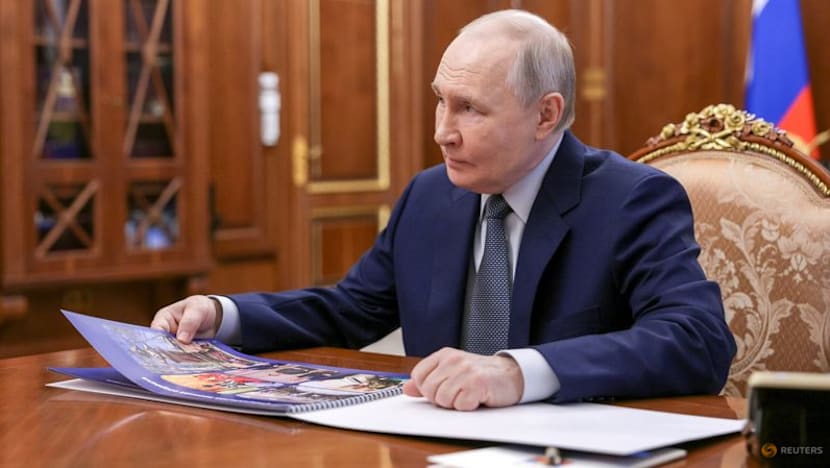
Russia and Ukraine Announce Separate Ceasefires Amid Tensions
Coveragetap to expand ▾Spectrum: Center Only🌍US: 2 · Asia: 2
- Russia declared a unilateral ceasefire with Ukraine from May 8-9, 2026, coinciding with its World War II Victory Day commemorations (per themoscowtimes.com).
- The Russian Defense Ministry announced the ceasefire decision via the state-backed messaging service MAX (per themoscowtimes.com).
- Russia threatened a 'massive missile strike' on Kyiv if Ukraine violated the ceasefire (per themoscowtimes.com).
- Ukraine declared its own ceasefire from May 5-6, 2026, criticizing the expectation to observe a truce during a Russian holiday (per themoscowtimes.com).
Russia and Ukraine have announced separate ceasefires in a move that underscores the ongoing tensions between the two nations. Russia declared a unilateral ceasefire from May 8-9, 2026, aligning with its annual World War II Victory Day celebrations.
The Russian Defense Ministry communicated this decision through the state-backed messaging service MAX, emphasizing their hope that Ukraine would reciprocate. However, Russia also issued a stern warning, threatening a 'massive missile strike' on Kyiv should Ukraine breach the ceasefire. In response, Ukraine announced its own ceasefire from May 5-6, 2026.
Ukrainian officials criticized the timing of Russia's ceasefire, arguing that it was unrealistic to expect compliance during a Russian military holiday.
This move reflects Ukraine's skepticism about Russia's intentions, with Ukrainian authorities describing the ceasefire timing as 'not serious.' The separate ceasefire announcements highlight the complex dynamics at play, as both nations navigate their ongoing conflict.
The declarations come amid continued military engagements and underscore the challenges in achieving a lasting peace. many governments remains watchful, as the situation could escalate if either side perceives a violation of the declared truces.
- Ukrainian civilians in conflict zones bear the immediate risk of military escalation if ceasefires are violated, potentially facing missile strikes from Russia.
- The Russian government benefits from the ceasefire aligning with its Victory Day celebrations, potentially bolstering nationalistic sentiment domestically.
- Ukraine's skepticism towards Russia's ceasefire timing reflects broader distrust, impacting diplomatic efforts and potential peace negotiations.
- Whether Ukraine adheres to its declared ceasefire from May 5-6, 2026.
- Russia's response if Ukraine does not observe the May 8-9 ceasefire.
- Potential diplomatic engagements following the ceasefire periods.
- No source mentions the broader context of ongoing military engagements between Russia and Ukraine that may affect the ceasefire's success.
- The potential impact on civilians in conflict zones during the ceasefire periods is not detailed.
- No source discusses international diplomatic efforts or reactions to the separate ceasefire announcements.