
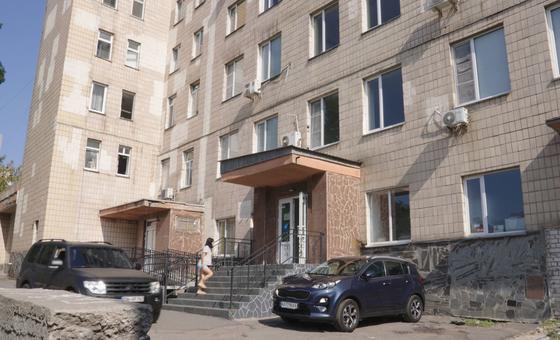
Russia Launches Massive Missile and Drone Assault on Kyiv, Causing Widespread Destruction
Topic: defense & securityRegion: EuropeUpdated: i2 outletsSources: 15Spectrum: Mostly CenterFiltered: Global (0/15)· Clear⏱ 4 min read📡 Wire pickup: 2⚠ 3d+ old
Story Summary
SITUATION
Russia launched a massive missile and drone assault on Kyiv, firing over 1,600 projectiles in a 30-hour period. This attack has resulted in significant destruction across the city, with reports of extensive damage to infrastructure and civilian areas.
Coveragetap to expand ▾Spectrum: Mostly Center🌍Other: 6 · Europe: 4 · US: 3 · Asia: 2
Political Spectrum
Position is inferred from coverage mix.
i2 outlets · Center
Left
Center
Right
Left: 3
Center: 12
Right: 0
Geography Coverage
Distribution of where coverage is coming from.
i2 unique outlets · Dominant: Global
KEY FACTS
- Russia fired over 1,600 missiles and drones at Kyiv during a 30-hour bombardment (per UNITED24 Media).
- The assault included approximately 50 missiles and 700 drones, marking one of the largest attacks on the city (per News18).
- Reports indicate that the assault resulted in numerous civilian casualties, although specific numbers are still being confirmed (per UNITED24 Media).
- This attack follows a series of escalations in the ongoing conflict between Russia and Ukraine, which has seen increased military activity in recent weeks (per dy365live.com).
HISTORICAL CONTEXT
The recent escalation in the Ukraine-Russia conflict, marked by Russia's intensive bombardment of Ukraine with over 1,600 drones and missiles, underscores the persistent volatility and complexity of the war that has been ongoing since February 24, 2022.
This massive assault, which targeted Kyiv and resulted in casualties and significant infrastructural damage, occurred despite a declared ceasefire, illustrating the fragility and often illusory nature of such agreements in this protracted conflict.
Brief
In a significant escalation of hostilities, Russia launched a massive missile and drone assault on Kyiv, firing over 1,600 projectiles over a 30-hour period.
This unprecedented attack, which included around 50 missiles and 700 drones, has resulted in extensive damage to both civilian infrastructure and residential areas, leading to numerous casualties, although exact figures are still being verified.
Ukrainian officials have condemned the assault, labeling it a blatant violation of international law and a direct attack on the civilian population. The attack comes amid heightened military activity in the region, reflecting the ongoing and intensifying conflict between Russia and Ukraine.
While the Ukrainian military continues to defend against these assaults, the humanitarian impact is severe, with healthcare facilities also being targeted, as evidenced by the World Health Organization's report of over 3,000 verified attacks on healthcare since the invasion began.
As the situation develops, many governments is closely monitoring the implications of this latest wave of violence, which underscores the urgent need for a resolution to the conflict.
Why it matters
- Civilians in Kyiv bear the concrete costs of the assault, facing destruction of homes and infrastructure, which disrupts daily life and access to essential services.
- The attack exacerbates the humanitarian crisis in Ukraine, with healthcare facilities already under strain from over 3,000 verified attacks since the invasion began.
- Russia's military actions benefit its strategic objectives in the region, aiming to assert control and influence over Ukraine amidst ongoing conflict.
What to watch next
- Whether Ukrainian forces can effectively respond to the ongoing missile and drone threats from Russia in the coming weeks.
- The international community's response to the assault, particularly any potential sanctions or diplomatic actions against Russia.
- Updates on civilian casualties and damage assessments in Kyiv as recovery efforts begin.
Where sources differ
3 dimensionsFraming differences
?- News18 emphasizes the scale of the attack, highlighting the use of 50 missiles and 700 drones, while dy365live.com focuses on the widespread destruction caused.
Disputed or unclear
?- The exact number of civilian casualties remains unclear, with reports varying across sources.
Omitted context
?- No source mentions the specific prior military actions that may have triggered this large-scale assault.
Sources
0 of 15 linked articles · Filter: Global