
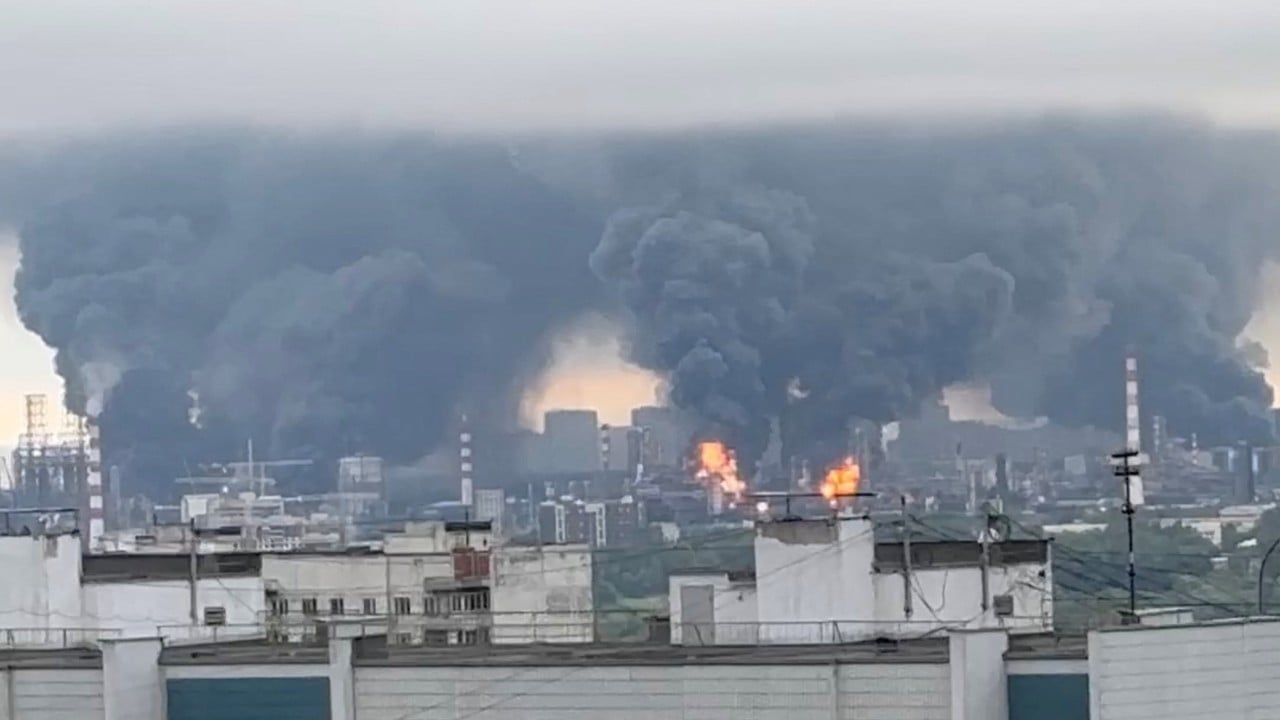
Ukrainian Drones Strike Moscow Oil Refinery Amid Ongoing Conflict
Topic: energyRegion: EuropeUpdated: i2 outletsSources: 2Spectrum: Mixed⏱ 4 min read
Story Summary
SITUATION
Ukraine hits Moscow oil refinery in major drone attack on Russian capital Ukraine hits Moscow oil refinery in major drone attack on Russian capital Drones hit Moscow oil refinery as Russia and Ukraine exchange strikes Drones hit Moscow oil refinery as Russia and Ukraine exchange strikes Drones hit Moscow oil refinery as Russia and Ukraine exchange strikes Ukrainian drones hit Moscow’s oil refinery for the second time this week while Russia fired missiles into Kyiv, as President Volodymyr Zelensky sought support fro
Coveragetap to expand ▾Spectrum: Mixed🌍Asia: 2
Political Spectrum
Position is inferred from coverage mix.
i2 outlets · Center
Left
Center
Right
Left: 1
Center: 1
Right: 0
Geography Coverage
Distribution of where coverage is coming from.
i2 unique outlets · Dominant: Asia
KEY FACTS
- On October 23, 2023, Ukrainian drones struck an oil refinery in Moscow, marking a significant escalation in the ongoing conflict between Russia and Ukraine.
- The drone attack targeted the Moscow oil refinery, which is a key facility for Russian fuel production.
- This attack is part of Ukraine's broader strategy to disrupt Russian energy supplies and reduce funding for the ongoing war effort.
- Since the full-scale invasion of Ukraine by Russia on February 24, 2022, Ukraine has increased its military operations against Russian infrastructure.
- The conflict has roots in the 2014 annexation of Crimea by Russia, which led to heightened tensions and military engagements in Eastern Ukraine.
- Ukraine has received substantial military and economic support from the United States and European allies since the onset of the conflict.
HISTORICAL CONTEXT
The ongoing conflict between Russia and Ukraine has escalated significantly since the full-scale invasion of Ukraine by Russia on February 24, 2022. This invasion marked a dramatic intensification of hostilities that had been simmering since 2014, when Russia annexed Crimea and supported separatist movements in Eastern Ukraine.
In the years following the annexation, Ukraine sought closer ties with Western nations, leading to increased military and economic support from the United States and European allies. The situation further deteriorated as Russia launched a series of military operations aimed at consolidating its control over Ukrainian territories, culminating in the 2022 invasion.
Brief
Ukrainian drones struck Moscow’s oil refinery for the second time this week, marking a significant escalation in the ongoing conflict between Ukraine and Russia. This attack follows a series of Russian missile strikes on Kyiv, which have intensified as both sides exchange military actions.
The drone strike resulted in damage to the refinery and nearby structures, including a shopping center and residential buildings, highlighting the conflict's impact on civilian infrastructure. Moscow reported that it successfully downed over five dozen drones during the incident, demonstrating its ongoing efforts to defend against aerial threats.
Meanwhile, President Volodymyr Zelensky is actively seeking support from the United States and European nations to facilitate a peace deal, indicating a desire for diplomatic resolution amid the escalating violence. The situation remains fluid, with both sides continuing to engage in military operations that further complicate the path to peace.
As the conflict evolves, the implications for energy security and regional stability are becoming increasingly pronounced, with both Ukraine and Russia facing significant challenges.
Why it matters
- The drone strike on the Moscow oil refinery underscores Ukraine's strategy to disrupt Russia's war funding by targeting its energy infrastructure, which is vital for sustaining military operations.
- This action not only aims to diminish Russia's revenue but also serves to heighten domestic pressure on the Russian government, as citizens may face rising fuel prices and shortages.
- As Ukraine continues to escalate its offensive, the potential for retaliatory strikes against Ukrainian cities increases, further endangering civilian lives and exacerbating the humanitarian crisis in the region.
What to watch next
- Watch for a potential response from the Russian government regarding increased air defense measures around critical infrastructure within the next 72 hours.
- Monitor the Ukrainian military's next strategic drone deployment, which could be announced in the coming week as part of their ongoing offensive operations.
- Expect statements from NATO allies on their support for Ukraine, particularly regarding military aid, ahead of the upcoming defense ministers' meeting scheduled for next month.
- Keep an eye on oil prices, which may fluctuate as energy markets react to the implications of the drone strike, particularly in the next trading session.
- Anticipate a possible escalation in cyber operations from both sides as they seek to disrupt each other's communications and logistics, likely within the next few weeks.
Sources
2 of 2 linked articles