
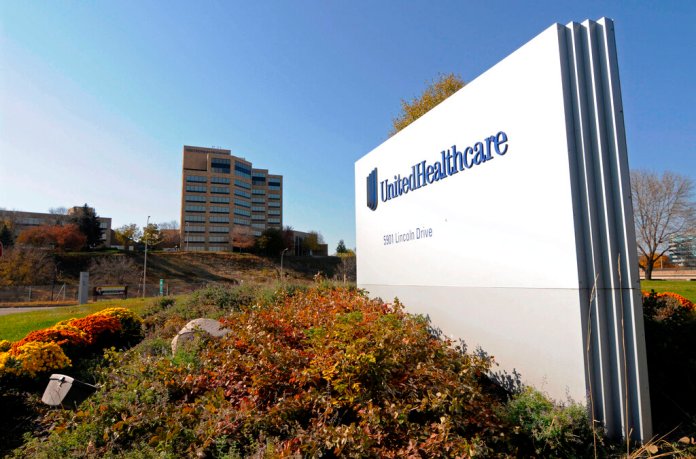
UnitedHealthcare to eliminate prior authorization requirement for 30% of services
Coveragetap to expand ▾Spectrum: Mostly Center🌍US: 2 · Other: 2
- UnitedHealthcare CEO Tim Noel stated that prior authorization should only be used when it truly protects patients and improves care (per washingtonexaminer.com).
- The Department of Health and Human Services previously urged insurance companies to reduce red tape in healthcare processes (per washingtonexaminer.com).
- UnitedHealthcare is among several large insurers that have voluntarily committed to making changes in prior authorization across private insurance, Medicare Advantage, and Medicaid (per washingtonexaminer.com).
This decision is part of a broader effort to streamline healthcare access and improve patient care. UnitedHealthcare CEO Tim Noel emphasized that while prior authorization serves as an essential safeguard, it should only be applied when it genuinely benefits patient care.
The move is expected to make it easier for patients to receive timely medical attention and allow healthcare providers to focus more on patient care rather than administrative tasks. This policy shift comes in response to a major push from the Department of Health and Human Services, which has been advocating for reduced red tape in healthcare processes. Secretary Robert F.
Kennedy Jr.'s office highlighted UnitedHealthcare's commitment as part of a larger trend among insurers to voluntarily reform prior authorization practices across various insurance platforms, including private insurance, Medicare Advantage, and Medicaid.
The changes are anticipated to have a significant impact on the healthcare industry, potentially setting a precedent for other insurers to follow suit. As the implementation progresses, stakeholders will be closely monitoring the effects on both patient outcomes and the operational dynamics within healthcare facilities.
- Patients will benefit from reduced wait times and easier access to necessary medical services, as prior authorization requirements are reduced.
- Healthcare providers will have more time to focus on patient care rather than administrative tasks, potentially improving overall care quality.
- UnitedHealthcare's decision may influence other insurers to adopt similar reforms, potentially leading to widespread changes in the healthcare industry.
- The reduction in bureaucratic hurdles aligns with the Department of Health and Human Services' goals to streamline healthcare processes and improve efficiency.
- Whether UnitedHealthcare successfully implements the elimination of prior authorization for 30% of services by the end of 2026.
- Potential responses from other major insurers regarding similar reforms in their prior authorization processes.
- The impact of these changes on patient satisfaction and healthcare outcomes as they are rolled out.
Left- and right-leaning outlets are covering this story differently — in which facts to emphasize, which context to include, and how to frame causes and consequences.
2 specific areas where coverage diverges — see below.
- No source mentions the specific types of medical services that will be affected by the elimination of prior authorization requirements.
- The potential financial impact on UnitedHealthcare or the healthcare industry as a whole is not discussed.
- There is no mention of how these changes might affect insurance premiums or overall healthcare costs for consumers.
- UnitedHealthcare CEO Tim Noel stated, 'Prior authorization is an essential safeguard but should only be used when it truly protects patients and improves care.'