
US Deploys Advanced Weapon Systems in Pacific to Strengthen Taiwan Defense
Topic: geopoliticsRegion: AsiaUpdated: i1 outletsSources: 1Spectrum: Center OnlyFiltered: Asia (1/1)· Clear⏱ 4 min read
Story Summary
SITUATION
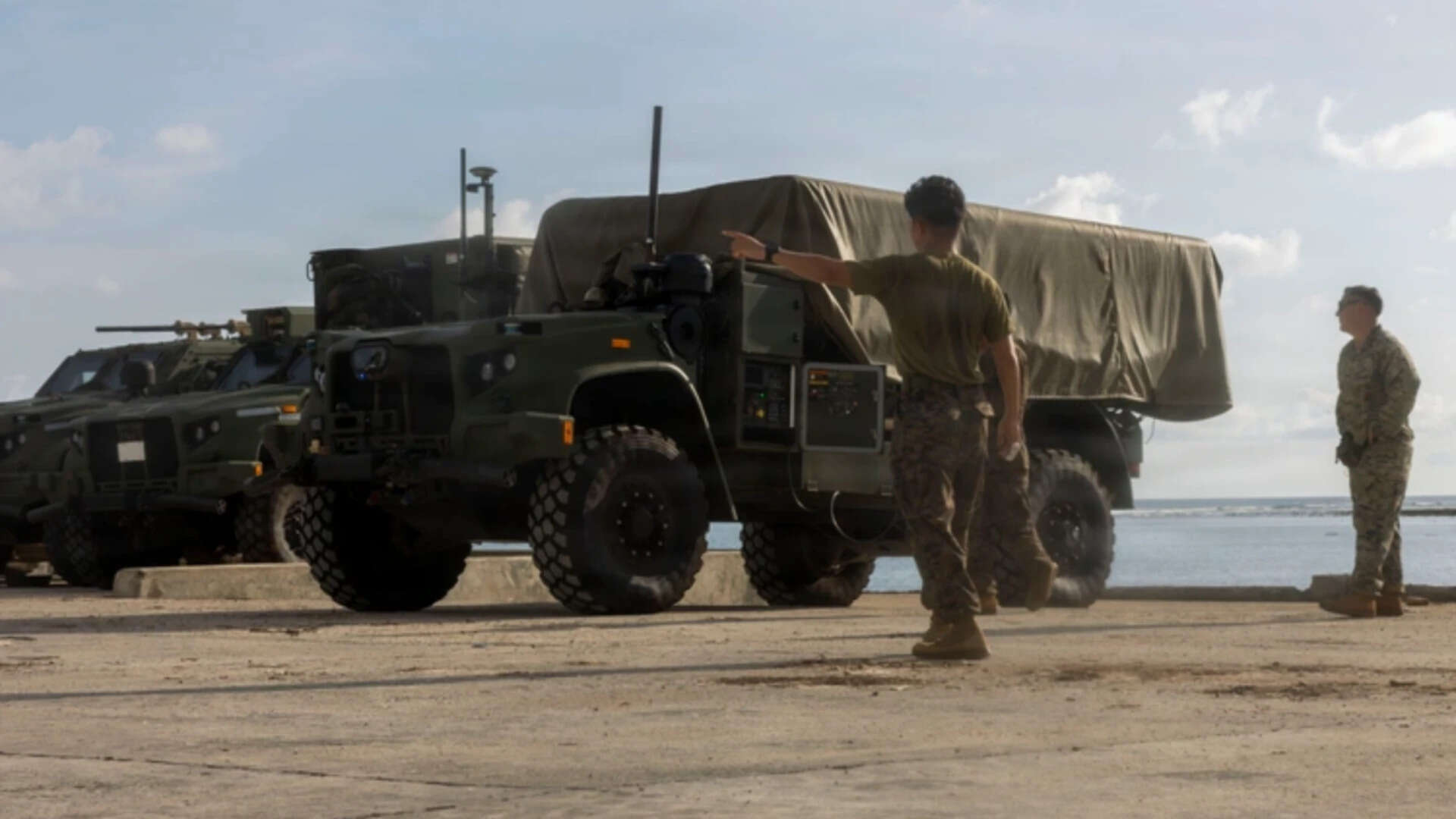
The US Marine Corps has deployed new weapon systems in the western Pacific to defend Taiwan from China. This deployment includes the Navy-Marine Expeditionary Ship Interdiction System (NMESIS) and the Marine Air Defence Integrated System (MADIS) in Okinawa, Japan (per Times of India).
Coveragetap to expand ▾Spectrum: Center Only🌍Asia: 1
Political Spectrum
Position is inferred from coverage mix.
i1 outlets · Center
Left
Center
Right
Left: 0
Center: 1
Right: 0
Geography Coverage
Distribution of where coverage is coming from.
i1 unique outlets · Dominant: Asia
KEY FACTS
- US is already deploying weapons in western Pacific to defend Taiwan from China
- As tensions due to China's aspirations rise in the Indo-Pacific region, especially around Taiwan, the US Marine Corps has deployed new weapon systems in the Pacific.
- The US is already deploying weapons in the western Pacific to defend Taiwan from China.
- These systems have been deployed both North and South of Taiwan.
- At the same time, the Marine Corps has been rehearsing deployments closer to Taiwan.
HISTORICAL CONTEXT
The immediate backdrop to the recent deployment of new US weapon systems in the Pacific is the escalating tensions between the United States and China regarding Taiwan. In recent years, particularly since 2021, China has intensified its military posturing in the region, conducting numerous military exercises near Taiwan and increasing its rhetoric regarding reunification.
This has included live-fire drills and the frequent incursion of Chinese military aircraft into Taiwan's air defense identification zone (ADIZ), which has raised alarms in Washington and among Taiwan's leadership.
Brief
The US Marine Corps has recently deployed advanced weapon systems in the western Pacific, specifically aimed at bolstering Taiwan's defense against potential Chinese military actions. This strategic move comes amid escalating tensions in the Indo-Pacific region, where China's ambitions have raised concerns among regional allies and the US.
The newly deployed systems include the Navy-Marine Expeditionary Ship Interdiction System (NMESIS) and the Marine Air Defence Integrated System (MADIS), both stationed in Okinawa, Japan. These deployments are part of a broader strategy to enhance military readiness and deterrence capabilities in the area, with rehearsals for closer deployments to Taiwan already underway.
The US government views these actions as necessary to counteract China's increasing assertiveness in the region, particularly regarding Taiwan, which China considers a breakaway province. While the US maintains that these deployments are defensive in nature, China has condemned them as provocative, warning that such actions could destabilize the region further.
The situation remains tense as both sides prepare for potential confrontations, with the US committed to supporting Taiwan's defense while China continues to assert its claims over the island.
Sources
1 of 1 linked articles · Filter: Asia