
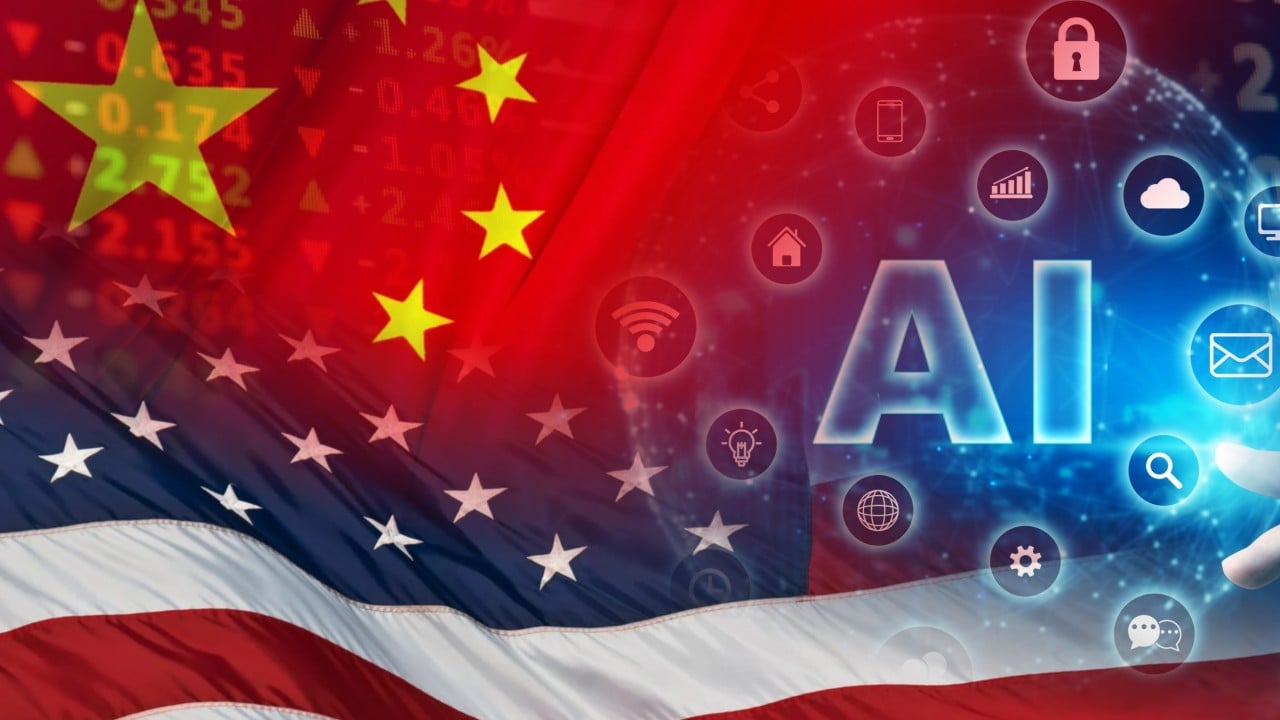
US Lawmakers Push for AI Leadership Amidst China Competition
Topic: technologyRegion: AsiaUpdated: i1 outletsSources: 1Spectrum: Left Only⏱ 4 min read⚠ 3d+ old
Story Summary
SITUATION
US lawmakers emphasized the need for the United States to lead in artificial intelligence innovation to prevent China from gaining a technological advantage. They expressed concerns during a congressional hearing about the implications of US-China competition for global supremacy in AI.
Coveragetap to expand ▾Spectrum: Left Only🌍Asia: 1
Political Spectrum
Position is inferred from coverage mix.
i1 outlets · Center
Left
Center
Right
Left: 1
Center: 0
Right: 0
Geography Coverage
Distribution of where coverage is coming from.
i1 unique outlets · Dominant: Asia
KEY FACTS
- The United States cannot afford to let China or any other adversary gain a technological edge in artificial intelligence,” said Tim Scott, chairman of the US Committee on Banking, Housing, and Urban Affairs.
HISTORICAL CONTEXT
The ongoing competition between the United States and China in the field of artificial intelligence (AI) has reached a critical juncture, particularly as US lawmakers express concerns about the implications of China's rapid advancements in this technology.
In recent years, China has made significant strides in AI development, bolstered by substantial government investment and a strategic focus on becoming a global leader in technology. This competition has intensified since the onset of the US-China trade war in 2018, which highlighted the technological rivalry between the two nations.
Brief
During a recent congressional hearing, US lawmakers underscored the critical need for the United States to maintain its leadership in artificial intelligence (AI) innovation to prevent China from gaining a technological edge.
Tim Scott, chairman of the US Committee on Banking, Housing, and Urban Affairs, articulated the consensus that the next chapter of responsible innovation must be authored in America, emphasizing the stakes involved in the ongoing competition with China for global supremacy in AI.
Lawmakers and witnesses alike expressed alarm over the implications of this rivalry, particularly regarding cybersecurity and technological advancements. The hearing served as a platform for discussing the urgency of prioritizing AI development, with witnesses echoing the sentiment that the US must act decisively to secure its position in the global landscape.
The discussions highlighted the potential risks associated with falling behind in AI technology, which could have significant implications for national security. As the US navigates this competitive terrain, the emphasis on responsible innovation reflects a broader strategy to ensure that technological advancements align with ethical standards and national interests.
This focus on AI innovation comes at a time when the geopolitical landscape is increasingly defined by technological competition, particularly between the US and China. Lawmakers are advocating for policies that not only foster innovation but also safeguard against the risks posed by adversarial nations in the realm of emerging technologies.
Sources
1 of 1 linked articles