
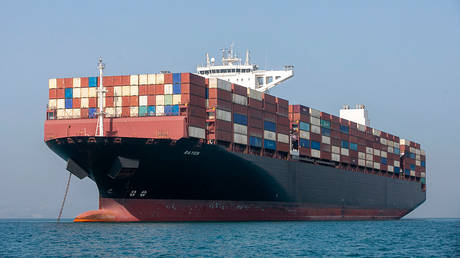
US military secretly guiding ships through Strait of Hormuz
Topic: defense & securityRegion: Middle EastUpdated: i2 outletsSources: 4⚠ Bias gap — sources divergeSpectrum: Mostly Center⏱ 4 min read⚠ 3d+ old
Story Summary
SITUATION
The US military has been covertly guiding vessels through the Strait of Hormuz in recent weeks, as Iran closed the vital waterway to ships from 'hostile countries' following US and Israeli airstrikes. Traffic through the strategic chokepoint remains severely reduced, with fewer than ten vessels passing daily compared to around 150 before the conflict (per rt.com).
Coveragetap to expand ▾Spectrum: Mostly Center🌍Other: 3 · Europe: 1
Political Spectrum
Position is inferred from coverage mix.
i2 outlets · Center
Left
Center
Right
Left: 0
Center: 3
Right: 1
Geography Coverage
Distribution of where coverage is coming from.
i2 unique outlets · Dominant: Global
KEY FACTS
- Tehran later said that vessels from third countries could pass if they paid a toll and complied with military instructions.
- In April, the US imposed a blockade on Iranian ports and has since intercepted more than 100 cargo ships.
HISTORICAL CONTEXT
The ongoing conflict between the United States and Iran has escalated significantly since March 2026, when the U.S. and Israel initiated coordinated military strikes against Iranian military infrastructure, including power plants and air defenses.
This marked a new phase in hostilities that had been building for years, with Iran responding to these actions through various military maneuvers, including threats to disrupt shipping in the strategically vital Strait of Hormuz.
Brief
The US military has been covertly guiding commercial vessels through the Strait of Hormuz, a critical maritime chokepoint for global oil and liquefied natural gas supplies. This operation comes in the wake of Iran's decision to close the waterway to ships from 'hostile countries' following US and Israeli airstrikes on February 28.
According to reports, US Central Command has facilitated the passage of approximately 70 vessels in recent weeks, with many ships opting to turn off their transponders to evade detection by Iranian forces. The situation has led to a dramatic reduction in maritime traffic, plummeting from around 150 vessels per day to fewer than ten.
Iran has indicated that vessels from third countries may still navigate the Strait, provided they pay a toll and adhere to military directives. This covert operation underscores the heightened tensions in the region, particularly following the US's blockade of Iranian ports and the interception of over 100 cargo ships.
As the conflict continues, the strategic importance of the Strait of Hormuz remains paramount, with the US seeking to ensure the safe passage of commercial vessels amid ongoing hostilities.
Why it matters
- The covert guidance of vessels by the US military through the Strait of Hormuz is crucial for ensuring the safe passage of oil and gas supplies, which are vital for the economies of Europe and Asia.
- With Iran's threats to disrupt shipping, the reduced traffic through this chokepoint could lead to increased energy prices and supply shortages, directly impacting consumers and businesses reliant on these resources.
- Additionally, the US blockade on Iranian ports and interception of cargo ships heightens tensions in the region, potentially leading to further military confrontations that could destabilize global markets.
What to watch next
- Watch for a potential announcement from the US Department of Defense regarding increased naval presence in the Strait of Hormuz within the next week to ensure safe passage for commercial vessels.
- Monitor Iran's response to the US military's actions; a statement from Iranian officials is expected within 72 hours, which may outline further restrictions or military maneuvers in the region.
- Keep an eye on the shipping industry as major shipping companies may revise their routes or shipping schedules in response to the current situation, with updates likely to be released in the next few days.
- Anticipate a briefing from NATO allies discussing collective security measures in the region, scheduled for later this month, which may influence future military cooperation in the Strait of Hormuz.
- Expect a report from the International Maritime Organization (IMO) regarding the safety of navigation in the Strait of Hormuz, anticipated within the next two weeks, which could impact shipping insurance rates and operational protocols.
Where sources differ
Bias gap0.70 / 2.0
Left- and right-leaning outlets are covering this story differently — in which facts to emphasize, which context to include, and how to frame causes and consequences.
Center (3)
bignewsnetwork.cominvestinglive.commsn.com
Right-leaning (1)
rt_world+0.70
US military secretly guiding ships through Strait of Hormuz US military secretly guiding ships through Strait of Hormuz US military secretly guiding ships through Strait of Hormuz …
Sources
4 of 4 linked articles
US military secretly guiding ships through Strait of Hormuz
rt.comJun 1Right
↗
US military secretly guiding ships through Strait of Hormuz NYT
bignewsnetwork.comJun 1Left
↗
US military guiding ships through Strait of Hormuz. NY Times says 70 in last 3 weeks. - investingLive
investinglive.comMay 31Left
↗
US military guides 'dark' ships through Hormuz amid Iran tensions
msn.comMay 31Left
↗