
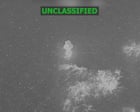
US military strike on vessel in eastern Pacific kills two people, leaving one survivor
Coveragetap to expand ▾Spectrum: Mixed🌍US: 2 · Other: 2 · Europe: 1
- The Southern Command said, “the vessel was transiting along known narco-trafficking routes” and “was engaged in narco-trafficking operations”.
- It said the two people killed were men and that it notified the US Coast Guard to start a search and rescue for the sole survivor.
- The military has attacked multiple alleged drug-running boats in the eastern Pacific in recent weeks, including a strike on Tuesday that killed three people.
- According to a tally by the Intercept, there have now been 58 such boat strikes since September amounting to a death toll of 193 people with four survivors.
The US military recently conducted a strike on a vessel in the eastern Pacific, killing two individuals and leaving one survivor. This action is part of a broader campaign targeting vessels suspected of narco-trafficking operations. The US Southern Command reported that the vessel was traveling along known drug-trafficking routes and was engaged in illegal activities. Following the strike, the US Coast Guard was alerted to conduct a search and rescue operation for the lone survivor. This incident is one of many in a series of military operations against suspected drug-running boats in the region. In recent weeks, the US military has intensified its efforts, with a previous strike on Tuesday resulting in three fatalities. The Southern Command has accused the targeted vessels of being operated by 'Designated Terrorist Organizations,' although specific groups have not been publicly identified. Since September, the US has conducted 58 strikes on such vessels in the Caribbean and Pacific, leading to a death toll of 193 people, with only four survivors. These operations have drawn criticism from rights groups, who have labeled them as 'extrajudicial killings.' In contrast, the US government defends these actions as necessary measures against 'narco-terrorists.'
The US military's actions in the eastern Pacific are part of a larger strategy to combat drug trafficking and related criminal activities. However, the lack of transparency regarding the identities of the targeted organizations and the criteria for these strikes has raised concerns among international observers and human rights advocates. The ongoing military operations highlight the US's commitment to addressing drug trafficking but also underscore the contentious nature of such interventions. As the US continues its campaign, the debate over the legality and morality of these strikes is likely to persist. The broader implications of these operations on regional stability and US relations with Latin American countries involved in drug trafficking routes remain to be seen. The US's approach to combating narco-terrorism will likely face scrutiny from both domestic and international audiences as the situation develops.
Left- and right-leaning outlets are covering this story differently — in which facts to emphasize, which context to include, and how to frame causes and consequences.