
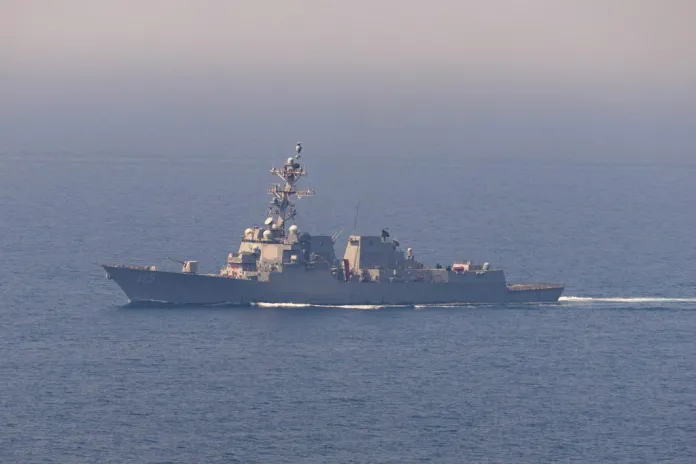
US launches new strikes on Iran, targeting missile sites and boats
Topic: defense & securityRegion: Middle EastUpdated: i5 outletsSources: 5⚠ Bias gap — sources divergeSpectrum: Mixed⏱ 4 min read⚠ 3d+ old
Story Summary
SITUATION
Recent U.S. strikes on Iranian missile sites and boats highlight the precarious nature of diplomatic negotiations, revealing that tensions over Iran's nuclear ambitions remain a critical barrier to peace.
Coveragetap to expand ▾Spectrum: Mixed🌍US: 2 · Europe: 2 · Africa: 1
Political Spectrum
Position is inferred from coverage mix.
i5 outlets · Center
Left
Center
Right
Left: 1
Center: 2
Right: 2
Geography Coverage
Distribution of where coverage is coming from.
i5 unique outlets · Dominant: US/Canada
KEY FACTS
- strikes hit Iranian missile sites and boats in the Strait of Hormuz just hours after President Trump said peace t Fresh U.S
- The US said it launched new strikes on southern Iran on Monday, targeting Iranian missile sites and boats attempting to place mines.
- The strikes were in "self-defence" and designed "to protect our troops from threats posed by Iranian forces", US Central Command (Centcom) said in a statement.
- "US forces conducted self-defence strikes in southern Iran today to protect our troops from threats posed by Iranian forces," Centcom spokesperson Capt Tim Hawkins said in a statement on Monday.
- Iranian state media had earlier reported that local officials in Bandar Abbas were investigating after explosions were heard.
- It is unclear what impact the latest US strikes will have on any potential peace agreement between the US and Iran.
HISTORICAL CONTEXT
In the days leading up to the recent U.S. strikes on Iranian missile sites in the Strait of Hormuz, diplomatic efforts were underway to negotiate a peace agreement between the United States and Iran.
President Donald Trump had publicly stated that these negotiations were “proceeding nicely,” suggesting a potential thaw in relations that have been fraught with tension for decades.
Brief
In a significant escalation of military action, the United States conducted strikes against Iranian missile sites and boats in the strategically vital Strait of Hormuz.
This military operation occurred shortly after President Donald Trump remarked that peace negotiations with Iran were 'proceeding nicely', underscoring the complex dynamics of diplomacy and military engagement in the region.
The strikes are part of a broader context where Iran's nuclear program continues to be a major point of contention, complicating efforts to reach a comprehensive agreement.
While the US maintains that these actions are necessary to counter Iranian threats, the Iranian government has consistently framed its nuclear ambitions as a sovereign right, asserting that it seeks peaceful nuclear energy rather than weapons development.
The timing of the strikes raises questions about the sincerity of the ongoing negotiations, as military actions often undermine diplomatic efforts. As the situation develops, both sides will need to navigate the delicate balance between military posturing and the pursuit of peace, with the stakes high for regional stability and international relations.
Why it matters
- The recent U.S. strikes on Iranian missile sites and boats in the Strait of Hormuz highlight the precarious balance between military action and diplomatic negotiations, directly impacting U.S. troops stationed in the region who face heightened threats from Iranian forces.
- This escalation not only jeopardizes ongoing peace talks but also risks further destabilizing the already volatile oil market, as the Strait of Hormuz is a critical chokepoint for global oil shipments.
- As tensions rise, local economies reliant on stable oil prices may suffer, and the humanitarian situation for civilians in Iran could worsen due to increased military presence and potential retaliatory measures.
What to watch next
- Watch for a potential response from Iran, which may include missile tests or retaliatory strikes within the next 72 hours.
- Monitor the U.S. Congress for discussions on further military funding or authorization for operations in the region, expected to take place before the upcoming congressional recess.
- Keep an eye on the United Nations Security Council, where a meeting is anticipated within the next week to address the escalating conflict and potential sanctions against Iran.
- Observe the actions of Gulf Cooperation Council (GCC) members, as they may convene to discuss collective security measures in response to U.S. military actions, likely within the next month.
- Anticipate statements from NATO allies regarding their stance on U.S. involvement in Iran, which could emerge during the next NATO summit scheduled for early next quarter.
Where sources differ
Bias gap0.60 / 2.0
Left- and right-leaning outlets are covering this story differently — in which facts to emphasize, which context to include, and how to frame causes and consequences.
Left-leaning (1)
ft_world-0.70
US strikes Iranian missile sites as peace talks continue US strikes Iranian missile sites as peace talks continue US strikes Iranian missile sites as peace talks continue US strike…
Center (2)
myjoyonline.combbc_world
Right-leaning (2)
ny_post_news+0.80
US launches new Iran strikes amid peace negotiations, Indiana cracks down on migrant truck drivers US launches new Iran strikes amid peace negotiations, Indiana cracks down on migr…
washington_examiner+0.70
Navy ship and a commercial ship, Axios reported. US military carries out new strikes against Iranian military base as negotiations continue US military carries out new strikes agai…
Sources
5 of 5 linked articles
US and Iran trade strikes as Trump demands changes to proposed peace deal to end war
myjoyonline.comJun 1Center
↗
US military carries out new strikes against Iranian military base as negotiations continue
washingtonexaminer.comMay 27Center
↗
US strikes Iranian missile sites as peace talks continue
ft.comMay 26Left
↗
US launches new Iran strikes amid peace negotiations, Indiana cracks down on migrant truck drivers
nypost.comMay 26Center
↗
US launches new strikes on Iran, targeting missile sites and boats
bbc.comMay 26Center
↗