
Alleged neo-Nazi handed out One Nation how-to-vote cards; WA leader says volunteers can’t all be vetted
Topic: politicsRegion: asia pacificUpdated: i3 outletsSources: 3Spectrum: Mostly Left⏱ 3 min read
Story Summary
SITUATION
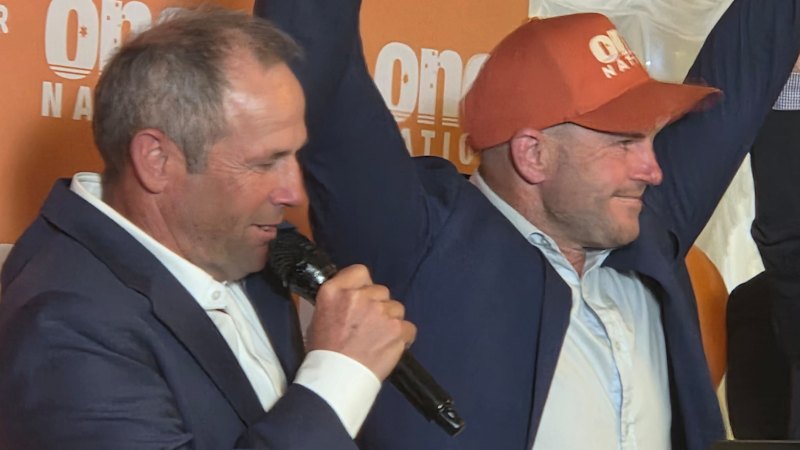
David Donis, founder of the defunct Society of Western Australian Nationalists, handed out how-to-vote cards for One Nation candidate Luke Herdegen at the Singleton Primary School booth on August 29 and was later pictured celebrating Herdegen’s victory. One Nation WA leader Rod Caddies said it is too big a job to vet every volunteer, and Pauline Hanson said she has shut branches to block far-right figures from the party.
Coveragetap to expand ▾Spectrum: Mostly Left🌍Asia: 2 · Europe: 1
Political Spectrum
Position is inferred from coverage mix.
i3 outlets · Center
Left
Center
Right
Left: 2
Center: 1
Right: 0
Geography Coverage
Distribution of where coverage is coming from.
i3 unique outlets · Dominant: Asia
KEY FACTS
- An Administrative Appeals Tribunal decision in 2023 declared SWAN a “nationalist and racist extremist” group that promoted Neo-Nazi and white supremacy ideologies.
- Rod Caddies, One Nation’s WA leader, confirmed Donis was not a One Nation member and said the party cannot vet every volunteer who offers to help.
- Pauline Hanson said in June she shut down four One Nation branches over concerns about “far-right” figures speaking at meetings and stated she does not want neo-Nazis volunteering for One Nation.
- WA's One Nation leader Rod Caddies said if an extremist had infiltrated the party, they would be expelled.
- Donis was pictured celebrating Luke Herdegen’s win at his victory party the night of the byelection.
- Caddies noted Donis had been a member of the Liberal Party before founding SWAN.
- Pauline Hanson had earlier said the party had shut branches she said were "infiltrated by extremists".
HISTORICAL CONTEXT
The immediate backdrop is a broader 2020s-era political concern in Australia about far‑right and extremist networks seeking influence inside mainstream parties, a debate that intensified after a string of media investigations and public inquiries from 2016 onward into overseas‑inspired radical movements.
Structurally, that debate has operated against Australia’s existing national security and electoral frameworks: Pauline Hanson’s One Nation (formed 1997) functions within the Commonwealth Electoral Act framework and state party registration regimes that place vetting and branch management primarily with party organisations rather than electoral authorities.
Brief
A man named by a federal tribunal for promoting neo‑Nazi ideologies, David Donis, served as a volunteer handing out One Nation how‑to‑vote cards in the West Australian state seat of Secret Harbour, a disclosure that has renewed scrutiny of the party's candidate and volunteer vetting (per abc.net.au).
The tribunal's finding that Donis promoted neo‑Nazi ideas appears in reporting that ties his earlier naming directly to his later volunteer role in the by-election campaign, which internal critics and opponents say raises urgent questions about One Nation's screening processes (per abc.net.au).
Pauline Hanson previously said the party had shut branches she said were 'infiltrated by extremists', a claim the party leader has used to justify internal purges and tighter controls; those statements now sit alongside the Donis revelation and fuel broader concern about how extremists might gain access to party operations (per abc.net.au).
WA's One Nation leader Rod Caddies responded by saying if an extremist had infiltrated the party, they would be expelled—an assertion that frames the party's official stance as reactive rather than demonstrably preventive (per abc.net.au).
Reporting does not provide the tribunal's detailed findings or the exact timeline of Donis's naming and his volunteer activity beyond confirming both facts; abc.net.au links the tribunal naming and his role distributing materials in Secret Harbour without supplying the tribunal's full text in the published excerpt (per abc.net.au).
That gap leaves open questions about how One Nation's local branches verify volunteers and whether central party structures maintain a comprehensive vetting system.
The incident comes as One Nation faces ongoing scrutiny over internal extremism claims, with Hanson's prior comments about shutting infiltrated branches now highlighted by opponents and media as potentially insufficiently robust safeguards (per abc.net.au).
For voters in Secret Harbour and party members statewide, the revelation refocuses debate onto volunteer oversight, branch accountability, and the mechanisms One Nation uses to check volunteers' past activities (per abc.net.au).
Sources
3 of 3 linked articles
Alleged neo-Nazi handed out One Nation how-to-vote cards; WA leader says volunteers can’t all be vetted
smh.com.auSep 17Center
↗
Australian tribunal calls One Nation volunteer’s ideologies neo-Nazi — ABC News Australia - ua.news
ua.newsSep 16Left
↗
Volunteer who handed out One Nation how‑to‑vote cards was previously named by tribunal for promoting neo‑Nazi ideologies
abc.net.auSep 16Center
↗