
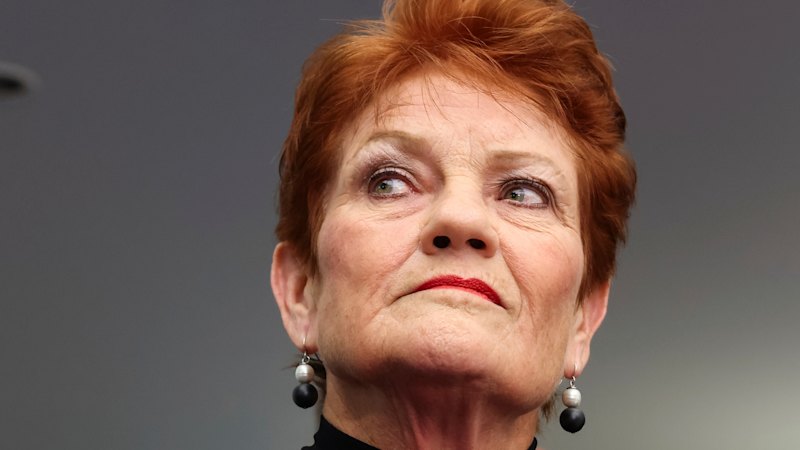
Voters' Choice in Farrer Byelection Reflects Discontent with Major Parties
Coveragetap to expand ▾Spectrum: Mostly Center🌍Other: 3 · Asia: 1 · LatAm: 1
- One Nation did not win the seat of Farrer in the byelection; the Coalition lost it by a significant margin (per smh.com.au).
- The byelection result suggests that voters are willing to support candidates from parties that promote division and hatred (per smh.com.au).
- The electorate's disillusionment with major parties is evident, but the choice of One Nation raises concerns about the implications of such support (per smh.com.au).
- The Coalition's loss in Farrer is seen as a warning sign for the party's future electoral prospects (per smh.com.au).
- The result has sparked discussions about the effectiveness of the Coalition's messaging and strategy in appealing to voters (per smh.com.au).
The recent byelection in Farrer has highlighted a significant shift in voter sentiment, as the Coalition suffered a substantial loss, indicating a growing discontent with traditional political parties.
One Nation did not secure the seat, but the results suggest that voters are increasingly willing to support candidates from parties that espouse divisive rhetoric, particularly those associated with Pauline Hanson. This outcome raises critical questions about the future of the Coalition and its ability to connect with the electorate.
The electorate's choice reflects a broader trend of dissatisfaction, as many voters express their disillusionment with the major parties. The Farrer byelection serves as a warning for the Coalition, emphasizing the need for a reevaluation of its messaging and strategy to regain voter trust.
As the political landscape evolves, the implications of this byelection result may resonate beyond Farrer, influencing future elections and party dynamics across Australia.
- The Coalition's significant loss in Farrer indicates a potential decline in its electoral support, which could impact its governance and policy-making (per smh.com.au).
- Voters' preference for One Nation candidates suggests a shift towards parties that promote divisive messages, which may exacerbate societal divisions (per smh.com.au).
- The byelection result reflects a broader trend of disillusionment with major parties, potentially leading to increased support for alternative political movements (per smh.com.au).
- Whether the Coalition implements changes to its strategy in response to the byelection results by the next election cycle.
- The impact of the byelection results on upcoming elections in other regions, particularly those with similar voter demographics.
- Any shifts in One Nation's platform or messaging as it seeks to capitalize on its perceived electoral momentum.
- {"framing":[],"numbers":[],"causality":[],"attribution":[],"omitted_context":[],"disputed_or_unclear":[],"notable_quotes_or_claims":[]}